
Chad’s presidential pardon: a step toward political easing but not reconciliation
The presidential pardon granted to prominent opposition figures in Chad marks a significant political gesture, though one that experts say falls short of ensuring lasting reconciliation.
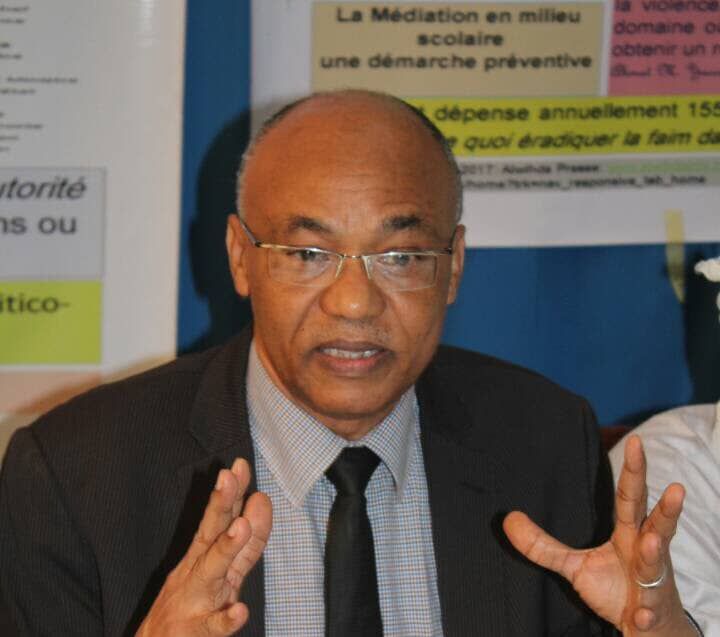
The recent presidential pardon granted to several key opposition figures in Chad represents a noteworthy political move, according to Dr. Ahmat Yacoub Dabio, director of the Centre for Development and Extremism Prevention Studies (CEDPE). In his analysis, this decision temporarily eases tensions and creates room for political calm to take root.
Yet the expert cautions against equating clemency with genuine political reconciliation. The core challenge remains: what conditions are needed for sustainable de-escalation? The stakes are high, especially since major opposition leaders remain barred from running in elections despite their release. This paradox leaves leaders benefiting from mercy while still excluded from the electoral process.
The CEDPE warns this development could reshape Chad’s political landscape in profound ways. While traditional parties may struggle to reorganize, the shift might also pave the way for a new wave of leaders who prioritize pressing public concerns—jobs, purchasing power, security, and justice.
There’s a lingering risk: if the ineligibility persists, it could deepen public frustration. Dr. Dabio emphasizes that a presidential pardon alone cannot restore trust between the government and opposition. Chad needs a credible, inclusive, and transparent framework for this opening to evolve into a meaningful national reconciliation process.