
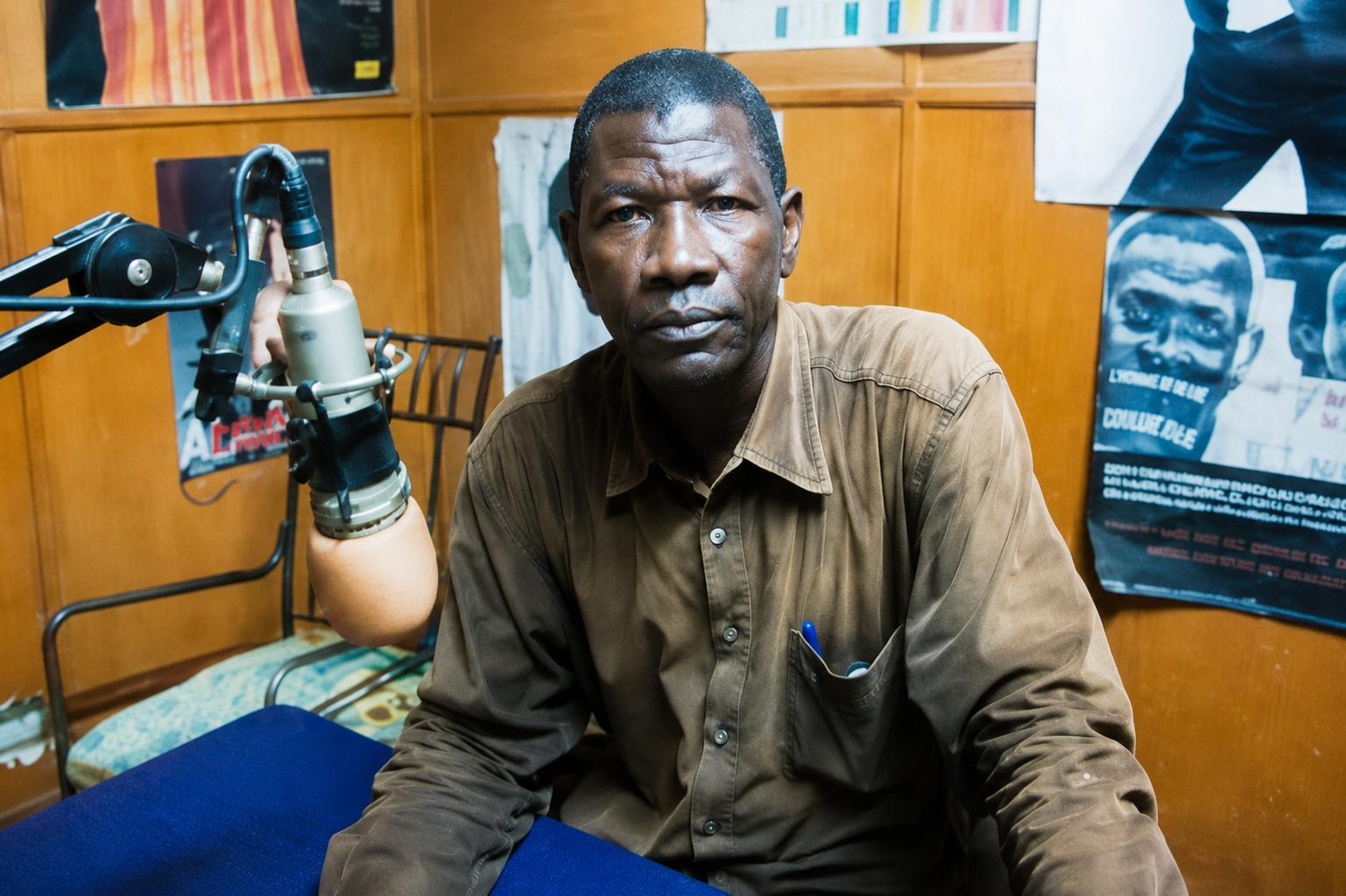
In Niger, the press freedom crisis has reached a critical turning point. The sudden disappearance and subsequent detention of Moussa Kaka—a veteran journalist and senior correspondent based in Niamey—has sent shockwaves through the nation’s media landscape. For an entire month, the government has offered no official explanation for his detention, deepening public concern and raising serious questions about rights and legal procedures.
One month of detention without justification
On the thirtieth day since his arrest, Moussa Kaka remains held without formal charges. Authorities have provided no legal basis for his detention, leaving his family, colleagues, and the public in the dark about his condition, legal status, or the reasons behind his incarceration. The lack of transparency from state security services has only intensified fears of arbitrary detention and possible rights violations.
Veteran journalists and civil society leaders have described his arrest as a clear violation of due process. Known for his decades-long reporting on Niger’s political, social, and security dynamics, Kaka has been a trusted voice in local and international media. Colleagues across the region continue to demand his immediate release, insisting that no credible legal justification exists for holding him without charge.
A growing crackdown on independent journalism in the Sahel
The ongoing detention of Moussa Kaka is not an isolated incident. It reflects a broader and troubling trend of increasing restrictions on press freedom across the Sahel. Since military-led governments took power in several regional capitals, journalists—especially independent reporters and foreign correspondents—have faced growing hostility, censorship, and legal intimidation.
Other prominent media figures have also been targeted. Independent publishers and online journalists have been charged with national security offenses, while investigative reporters and citizen journalists continue to operate under constant threat. The arrest of figures like Soumana Idrissa Maïga and the repeated harassment of bloggers such as Samira Sabou underscore a coordinated effort to silence critical voices in the public sphere.
As the 30-day mark passes with no resolution, the case has become a symbol of the deteriorating conditions for press freedom in Niger and the wider Sahel. The silence from authorities has transformed a professional crisis into a national one—one that resonates far beyond the country’s borders.
What’s at stake: the future of journalism in Niger
The prolonged detention of Moussa Kaka represents more than an individual tragedy. It is a turning point for press freedom in Niger. Without accountability and legal clarity, the current trajectory threatens to silence independent journalism, erode public trust in media, and undermine democratic institutions.
Journalists, human rights defenders, and international observers warn that the absence of due process sets a dangerous precedent. In a country where media plays a vital role in informing citizens and holding power to account, such actions risk destabilizing the fragile balance between state control and public access to information.
As citizens and colleagues mark one month without answers, the call for transparency grows louder. The international community, regional bodies, and local advocates are united in urging Niger’s authorities to act swiftly—release Moussa Kaka and restore confidence in the rule of law.