
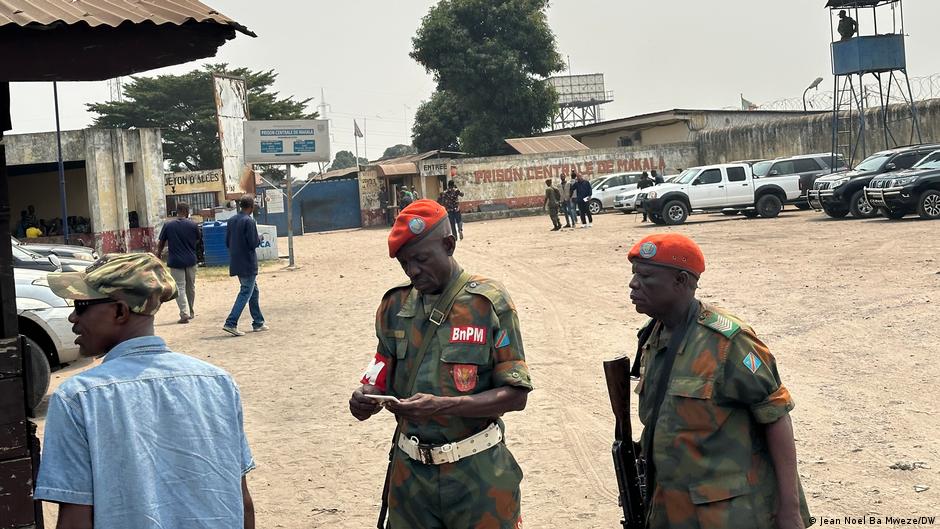
In the Democratic Republic of Congo, the National Council for Monitoring the Agreement and Electoral Process, known as the CNSA, has initiated a comprehensive review of political and opinion prisoners. This move comes as the country prepares for an expected inclusive national dialogue. The initiative aims to pave the way for conciliatory measures ahead of the talks.
The CNSA’s latest effort involves compiling a detailed list of individuals who may qualify for amnesty, including prominent figures linked to former President Joseph Kabila. This list will be submitted to President Félix Tshisekedi, who will then determine what actions to take before the dialogue begins.
Justice without distinction
The CNSA’s president, Joseph Olenghankoy, has emphasized that the review process is based on legal principles that apply equally to all. “There is a clear violation of rights when detainees are not brought before a judge within 48 hours,” he stated. “The law has no color—it must be upheld for everyone.”
Olenghankoy stressed that the CNSA’s role is to address these concerns directly with the relevant authorities to secure the release of eligible detainees, thereby fostering an environment conducive to dialogue.
Political support for the initiative
The move has been welcomed by the PPRD, the political party of former President Kabila, which includes figures like Aubin Minaku and Emmanuel Ramazani Shadary among those potentially affected. “We fully support any effort that could lead to the release of our detained members,” said Lucain Kasongo, a PPRD cadre. “Names like Aubin Minaku, Emmanuel Ramazani Shadary, and others deserve consideration.”
Human rights organizations, including Justicia ASBL, have previously submitted their own lists of alleged political prisoners to the Ministry of Justice, reinforcing the urgency of the CNSA’s initiative.
Addressing death sentences in the peace process
Among those whose cases are under review are former President Joseph Kabila and Corneille Nangaa, coordinator of the AFC/M23 rebellion, both of whom have been sentenced to death. Timothée Mbuya, coordinator of Justicia ASBL, has called for these sentences to be overturned as part of broader confidence-building measures. “Political decisions must be made to annul such convictions to create the trust necessary for an inclusive dialogue,” he argued.
As calls for national reconciliation grow louder, the CNSA’s review could mark a critical step toward easing tensions before the anticipated dialogue takes place.