
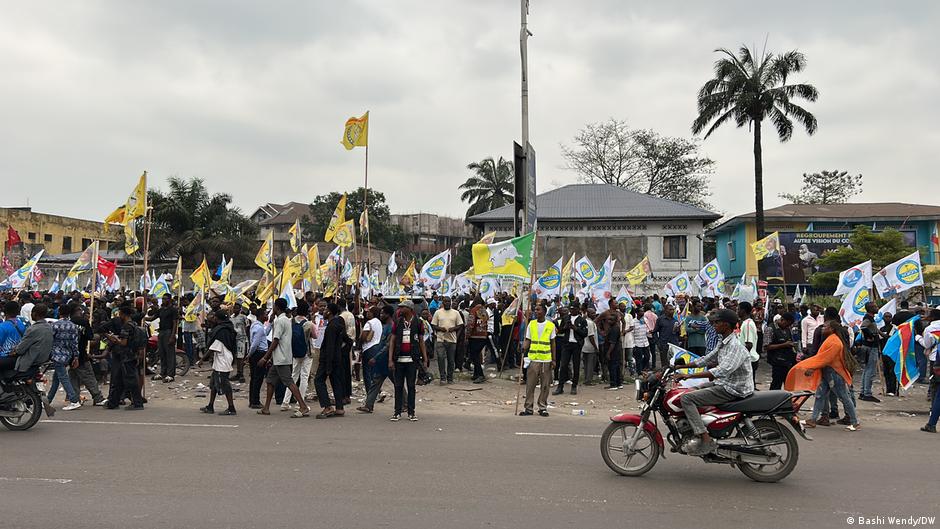
The constitutional court’s endorsement of the referendum law has reignited fierce debates over whether the Constitution could be altered, prompting the opposition to vow renewed resistance.
The coalition behind Article 64 views the decision as a direct threat to democratic norms, warning that it paves the way for a constitutional revision they strongly oppose. Prince Epenge, a leading spokesperson, delivered a defiant message to the public:
We will not relent. Every ounce of our strength will be poured into ensuring this law never takes root in our nation. The people must stand firm, unwavering, and united against any attempt to extend mandates or dismantle the nation’s unity.
Epenge emphasized the growing public anger, urging citizens to remain mobilized and resolute in rejecting what he describes as unconstitutional power grabs.
Kinshasa residents voice growing concerns
As opposition leaders convened to map out their next moves, residents in the capital expressed deep anxiety over the potential escalation of political unrest. Many fear that fresh protests could spiral into chaos, disrupting daily life and endangering lives.
One resident questioned whether the opposition’s actions would remain peaceful, stressing the need to avoid bloodshed at all costs:
Can their protests remain calm? We must prevent any loss of life.
Another voiced worries that the court’s decision could push the country further toward instability:
This ruling risks pushing our political climate into dangerous territory.
A third resident accused the ruling government of deliberately provoking unrest, claiming officials often deploy agents to undermine opposition marches.
Many also expressed concern for ordinary citizens, who would bear the brunt of any violent confrontations.
The threat to political dialogue
Timo Roujean, a political analyst with the Konrad Adenauer Foundation, cautioned that swift presidential approval of the law could derail ongoing efforts to foster dialogue. He warned that signing the bill before August 15 would likely sabotage negotiations and embolden factions advocating for armed resistance.
If the president signs this law prematurely, every attempt at dialogue collapses. In an already tense environment where talk of a constitutional coup is spreading, this decision risks fueling the narrative that violent resistance is the only way to challenge the government.
The constitutional court’s ruling has not settled the dispute. With the presidential camp now armed with a legal framework and an opposition movement determined to block any constitutional changes, the coming weeks will be pivotal in shaping the country’s political future.