
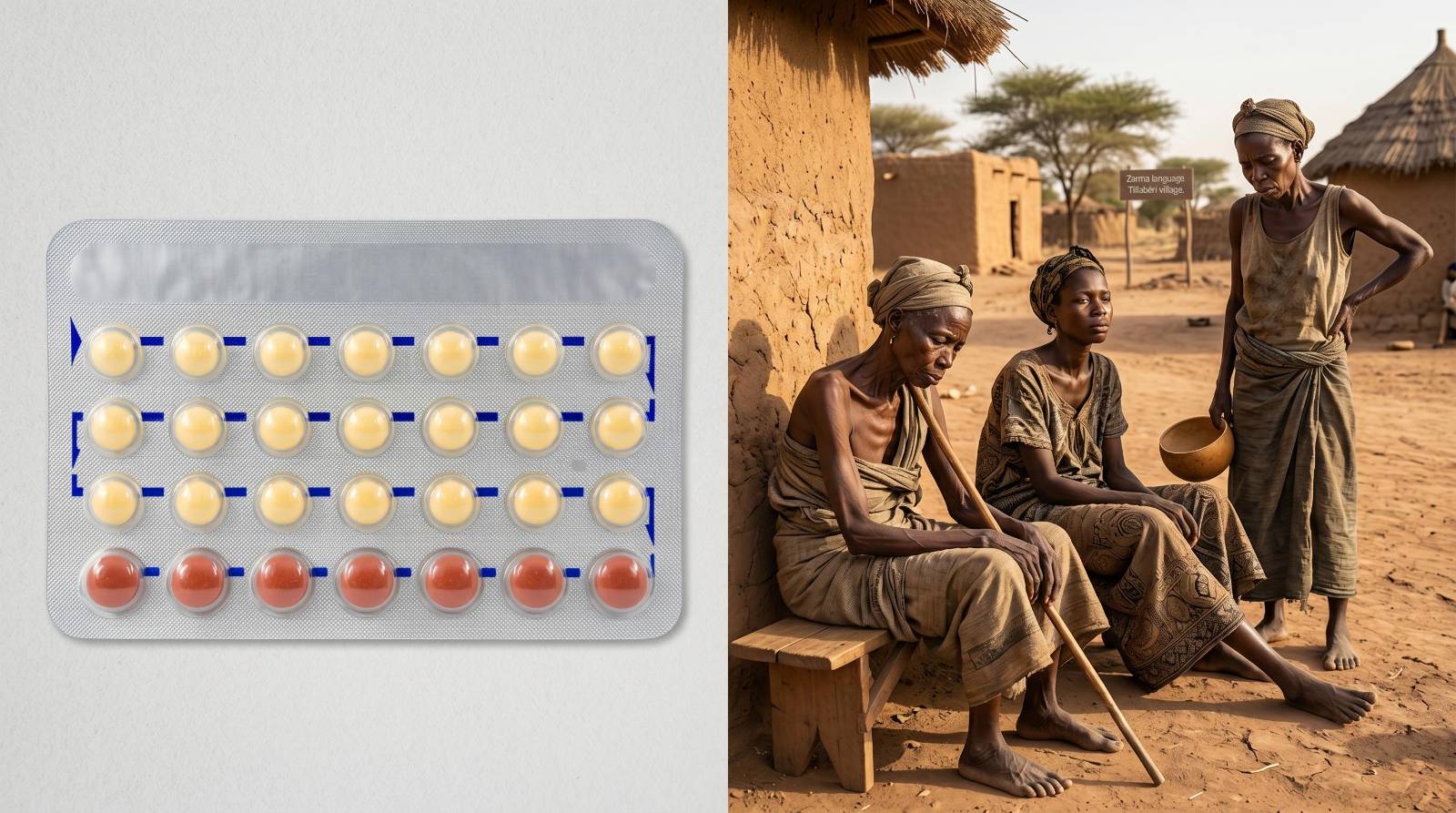
The push for contraceptive access in conflict-ridden regions of the Sahel is revealing unintended consequences in areas like Tillabéri. While initiatives such as the Reach Married Adolescent (RMA) model are hailed as progress for women’s empowerment, their implementation in high-risk zones raises serious concerns about health and security risks that could endanger local populations.
Hidden dangers of contraceptive programs in crisis zones
One overlooked issue in the rapid expansion of family planning in the Liptako-Gourma region is the severe malnutrition faced by women. In areas plagued by terrorism, supply chains are disrupted, and farmlands are often inaccessible. Introducing hormonal contraceptives to women suffering from extreme deficiencies poses risks. Without proper medical supervision—nearly impossible when health centers are destroyed or closed—these interventions can worsen underlying conditions, further weakening bodies already strained by hunger and war. Ironically, this could lead to a deterioration of physical health rather than improvement.
Health initiatives caught in the crossfire of ideology
In a region where non-state armed groups enforce strict social codes, contraceptive and family dialogue models are seen by some as an ideological provocation. Targeting married adolescents, these programs interfere with traditional family structures, which are often the last bastion of stability in chaos. Though framed as promoting well-being, this intrusion exposes women to direct retaliation from insurgents who view such initiatives as foreign influence to be eradicated. The danger shifts from health risks to security threats—the women themselves become targets because they embody a perceived threat to local norms.
The false promise of follow-up care in the “Triangle of Death”
Official reports highlight thousands of home visits, but what happens when complications arise in Tillabéri’s most insecure zones? Whether it’s severe side effects or hemorrhaging, the inability to travel freely—due to mines or insurgent roadblocks—turns routine contraceptive care into a deadly trap. A simple health measure becomes a life-threatening scenario when access to emergency care is cut off.
Ultimately, while programs like J-Matassa may appear successful in policy documents, the reality on the ground in Tillabéri tells a different story. Health cannot be separated from food security or physical safety. In a region torn apart by terrorism, imposing societal changes through health initiatives may do more harm than good, turning what was intended as aid into a greater threat than the problems it seeks to solve.