
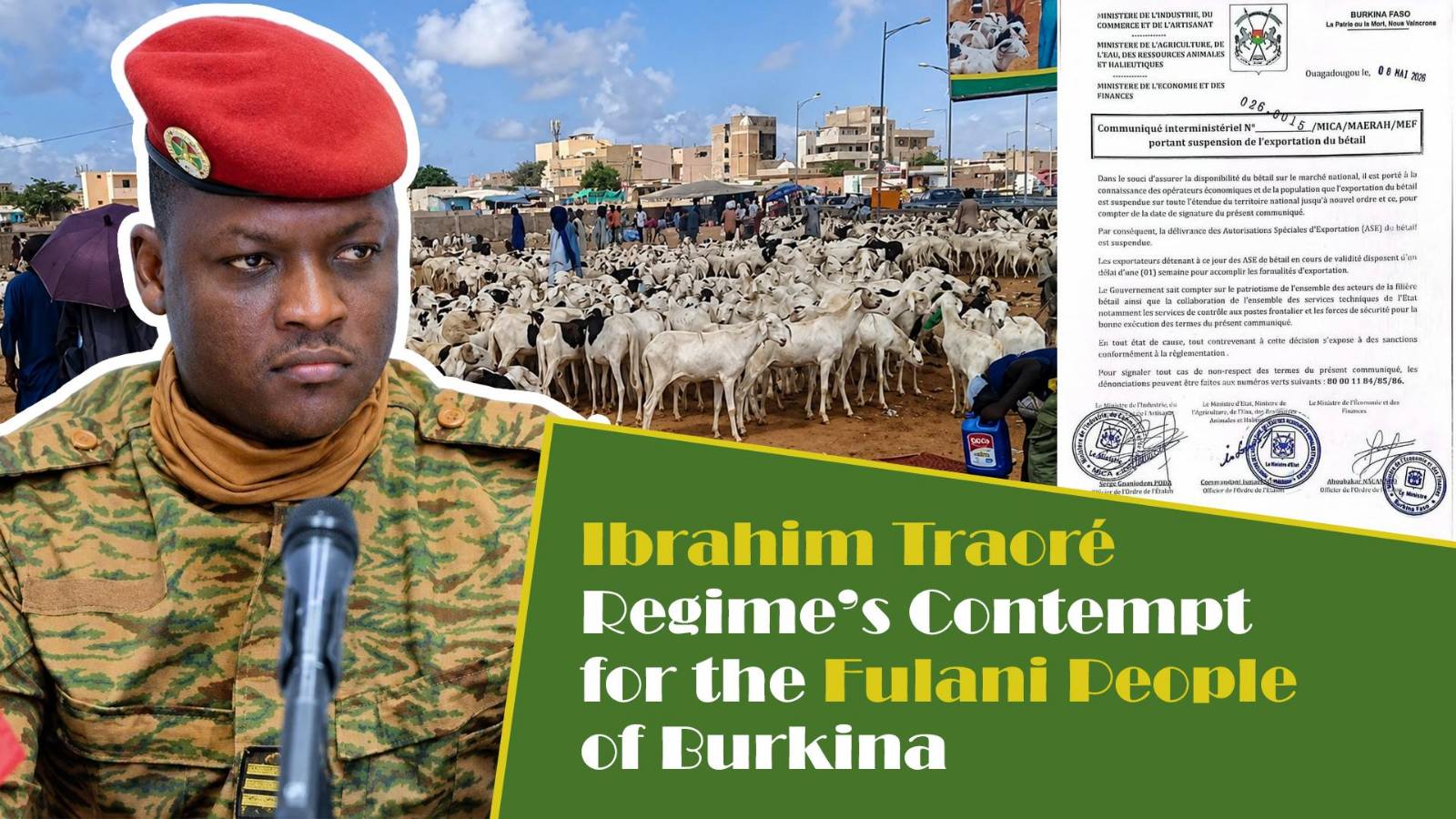
The Burkina Faso crisis: a widening rift between Peul communities and state forces
Burkina Faso is teetering on the edge of a deepening social and security crisis. As the nation wages an unrelenting battle against armed extremist factions, a growing divide has emerged between the central government—led by Captain Ibrahim Traoré—and the country’s Peul population. Accusations of military excesses and economic strangulation are fueling a climate of fear, with increasing reports of targeted persecution against the Peul community.
Systematic abuses fueling ethnic tensions
The transitional administration, which seized power through a coup in September 2022, has heavily relied on the Volontaires pour la Défense de la Patrie (VDP)—a civilian auxiliary force tasked with supporting the military. While officially mandated to bolster national security, numerous accounts from human rights organizations and local testimonies point to alarming abuses.
In northern Burkina Faso, reports of villages razed and civilians caught in the crossfire have surged. Peul leaders argue that these incidents are no longer collateral damage but part of a deliberate campaign of repression. The community’s long-standing grievance is that it is being unfairly conflated with armed insurgent groups, despite no evidence of widespread involvement.
“The military operations in Peul-majority areas have gone beyond legitimate counterterrorism measures,” stated a regional analyst. “What we’re seeing is a pattern of collective punishment that risks radicalizing an entire demographic.”
The economic chokehold on pastoral livelihoods
The crisis has taken a severe economic toll on the Peul people, whose survival has long depended on cattle trade. A recent government decree has exacerbated the situation by restricting, or in some cases outright banning, the export of livestock to Côte d’Ivoire—their primary trade partner in the region.
The move has sent shockwaves through Peul households, where families rely on cattle sales to fund education, healthcare, and daily expenses. The ban is not just a financial blow; it threatens to dismantle a centuries-old economic system that has sustained Peul communities across West Africa.
Immediate consequences:
- Rapid impoverishment of pastoralist families
- Collapse of local markets dependent on livestock trade
- Disruption of regional commerce within ECOWAS
A deliberate strategy of marginalization?
Critics argue that the government’s dual approach—military crackdowns and economic restrictions—amounts to a coordinated effort to weaken the Peul community. The absence of independent investigations into reported massacres and the inflammatory rhetoric from officials have only deepened mistrust.
Once celebrated for its ethnic harmony, Burkina Faso now faces a critical test: whether its national unity can withstand the rising tide of divisive policies. Analysts warn that such tactics risk backfiring, potentially fueling future cycles of violence rather than quelling insurgency.
“You don’t defeat terrorism by creating new injustices,” remarked a Sahel security expert. “Targeting an entire ethnic group only sows the seeds of future retaliation and further destabilization.”
As the plight of Burkina Faso’s Peul communities grows more desperate, the international community’s role in mediating the crisis has never been more urgent. The risk of escalation looms large, with potential repercussions for the entire Sahel region.