
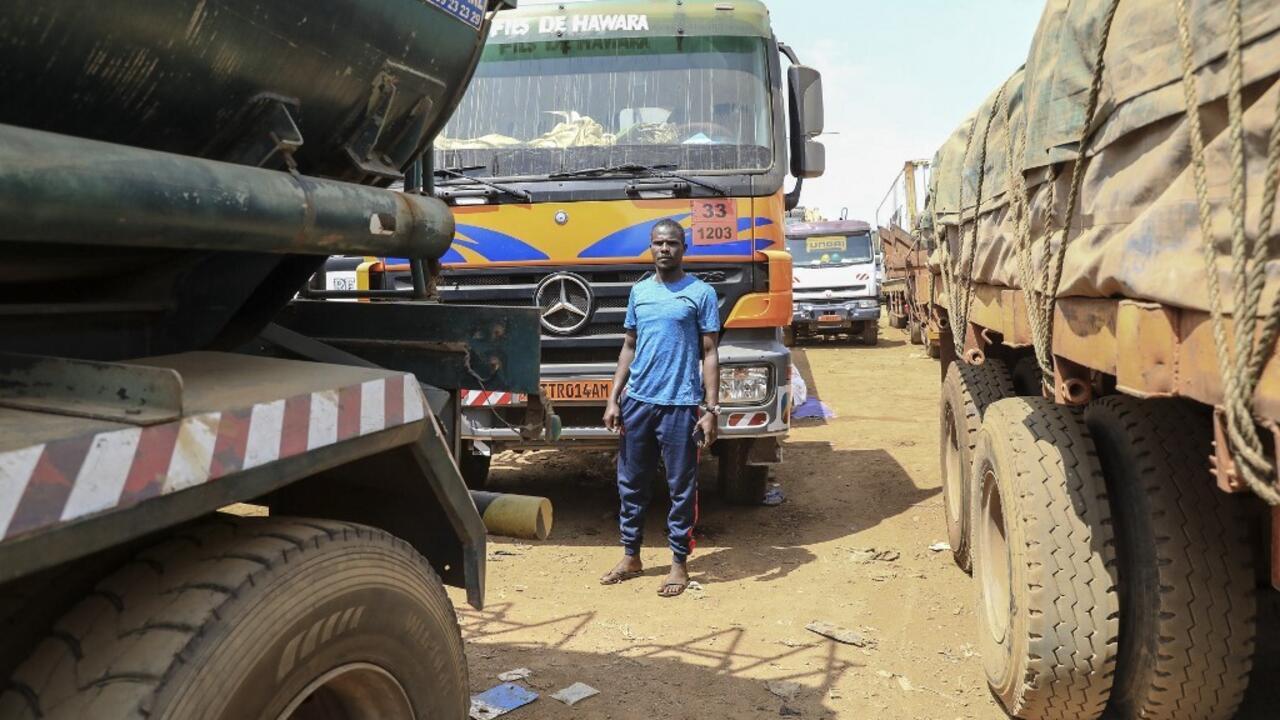
Cameroun and the Central African Republic are set to benefit from a landmark financing deal that will transform trade flows between them. The World Bank has approved an initial funding package of $425 million to rehabilitate the 800 km stretch connecting Douala to Bangui, a critical trade artery now plagued by poor conditions and delays.
The project, often referred to as the Douala-Bangui economic corridor, targets key segments of this vital route. Construction is slated to begin next year, aiming to streamline cross-border trade that currently sees 80% of goods bound for the Central African Republic and 70% heading to Chad passing through this deteriorating infrastructure.
Modernizing trade infrastructure
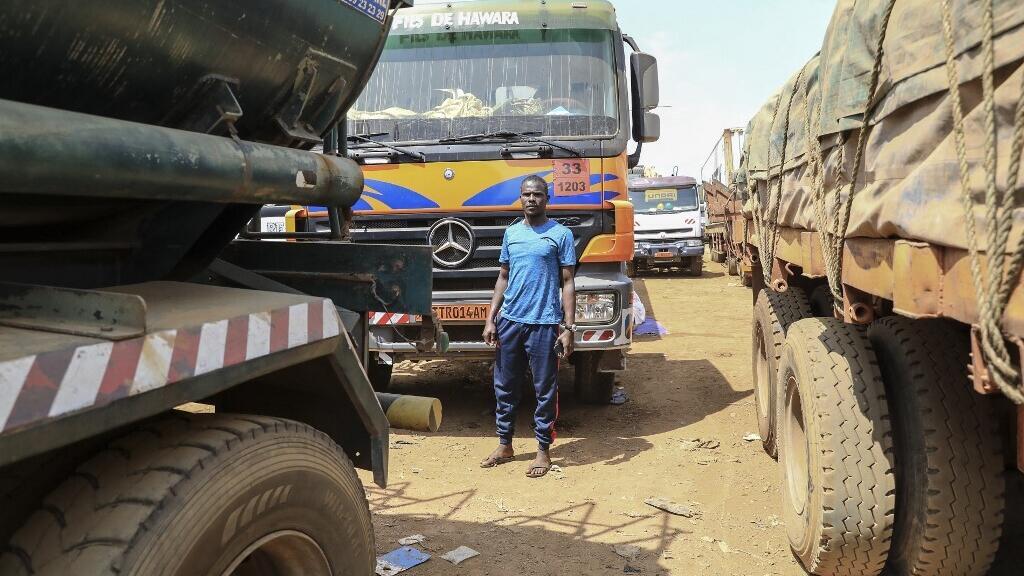
Beyond just road repairs, the initiative introduces smart weighing systems to tackle overloaded trucks that have long slowed transit. «A pre-selection system will identify suspicious vehicles, which will then undergo automatic weighing at checkpoints. Fines, if applicable, will be recorded on the spot with printed receipts,” explains Donnat Takueté, Director General of Studies at Cameroon’s Ministry of Public Works.
Currently, the journey between Douala and Bangui—covering 1,400 km—takes between 9 to 12 days due to road conditions and 17 informal checkpoints. The World Bank’s funding will prioritize Cameroon first, allocating $425 million, while Central African Republic receives $90 million. An additional regional support package is earmarked for preparatory phases in the Economic and Monetary Community of Central Africa (CEMAC).
«For the initial phase, Cameroon will receive $425 million, Central African Republic $90 million, and CEMAC a regional grant to prepare for subsequent project stages,” states Anne-Cécile Souhaid, Director of the World Bank’s West and Central Africa Region.
Phased roadwork and economic impact
Cameroon’s roadwork program includes reconstructing and rehabilitating key sections: the 215 km Yaoundé-Douala route, the 332 km Yaoundé-Bonis-Ayos segment, and the 332 km Bonis-Bertoua stretch—totaling 800 km of upgrades designed to align with economic demands.
The multi-year project is expected to generate 2,000 to 4,000 direct and indirect jobs, fostering local economic growth. By addressing both infrastructure and regulatory bottlenecks, the corridor aims to cut transit times, reduce operational costs for businesses, and bolster regional trade integration.