
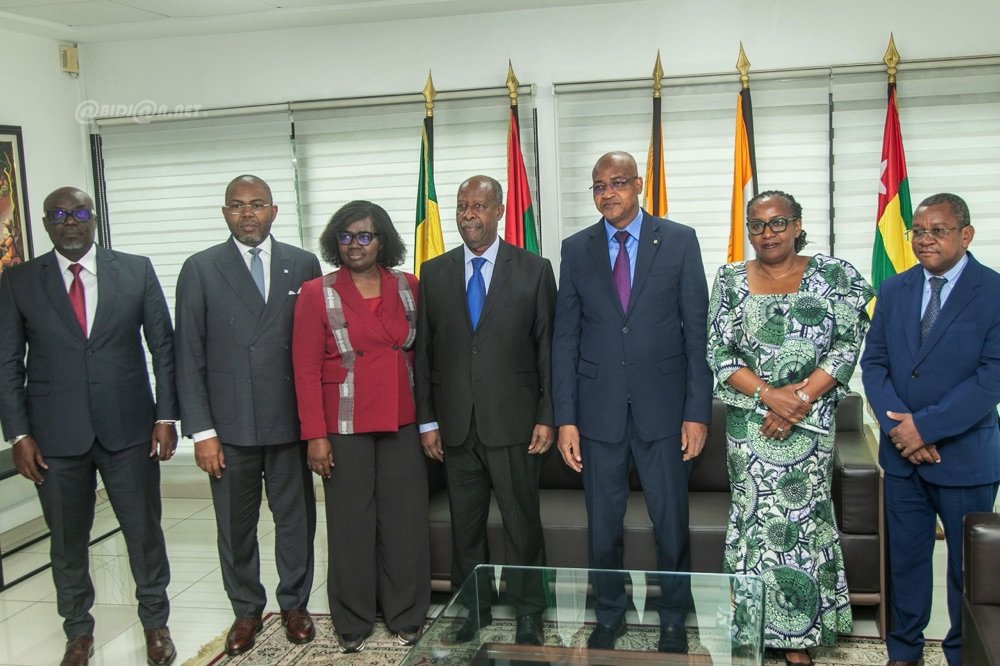
West Africa and the Sahel region have reached a decisive turning point in their fight for stability, with the Entente Council and the United Nations Office for West Africa and the Sahel (UNOWAS) sealing a bold three-year cooperation agreement in Abidjan today. This memorandum marks more than just a formal alliance; it signals a strategic shift toward stronger regional cohesion, proactive peacebuilding, and shared solutions to long-standing security and political challenges.
Why this memorandum stands as a game-changer for West African peace
The agreement signed on September 29, 2026, comes at a critical juncture for the subregion, where overlapping crises—from insurgencies and political instability to humanitarian emergencies—threaten decades of progress. By placing diplomacy at the center of action, the Entente Council and UNOWAS are making a clear statement: peace is not a static achievement, but an ongoing commitment that requires coordinated, sustained effort across borders and institutions.
This partnership arrives at a time when internal fragmentation and external pressures have weakened traditional response mechanisms. With this memorandum, the two organizations are not merely renewing their collaboration; they are redefining it with renewed urgency and structured cooperation.
A strategic roadmap: three pillars supporting long-term stability
The memorandum outlines a clear, action-oriented framework built around three core priorities, each designed to address the root causes of instability and build lasting resilience across the region.
1. Preventive diplomacy and political dialogue as the first line of defense
At the heart of the agreement lies a strengthened focus on diplomatic prevention and political mediation. The two institutions are committing to joint strategic consultations, good offices initiatives, and facilitation missions aimed at defusing tensions before they escalate. This proactive approach is intended to prevent conflicts from taking root in the first place—turning dialogue into a shield against escalation.
The new framework also emphasizes the role of trust-building between states, especially in sensitive border zones where historical grievances and resource disputes often spark unrest.
2. Building peace from the ground up: youth, women, and border communities
Recognizing that true stability begins at the community level, the agreement prioritizes borderland peace and social cohesion. The Entente Council and UNOWAS will work together to prevent spillover violence, strengthen local reconciliation processes, and ensure that vulnerable groups—especially young people and women—are not just beneficiaries of peace, but active architects of it.
Local peace committees, intergenerational dialogue platforms, and targeted economic resilience programs are expected to form the backbone of this grassroots strategy.
3. Institutional strengthening and strategic foresight
The third pillar focuses on institutional capacity-building and shared intelligence. Through regular information exchanges, joint analytical studies, and tailored advisory support, the Entente Council will enhance its ability to anticipate and respond to emerging threats. This is not just about reacting to crises—it’s about transforming the Council into a regional think-and-do tank for peace.
The agreement also positions the Entente Council as a credible platform for diplomatic mediation between member states, leveraging its long-standing experience as a regional convener.
From words to action: how the memorandum will drive real change
Implementation won’t be left to chance. The agreement mandates the creation of annual joint work plans, designated focal points in both institutions, and regular monitoring consultations. These mechanisms ensure accountability and transparency from day one.
They also enable the deployment of joint assessment missions, conflict facilitation teams, and cross-border dialogue initiatives—tools that transform paper commitments into measurable impact on the ground.
Voices of commitment: leaders affirm the pact’s significance
Speaking at the signing ceremony, the UN Special Representative for West Africa and the Sahel, Leonardo Simão, underscored the enduring need for vigilance: “Peace is never final. We must constantly work to preserve it where it exists and restore it where it has been lost.” He highlighted the Entente Council’s unique legacy—formed in 1959, predating both the OAU and ECOWAS—as a testament to resilient regional cooperation that can inspire new pathways to peace.
For Idi Ali, Deputy Executive Secretary of the Entente Council, the memorandum is a milestone in recognizing the organization’s role in today’s security landscape. He noted that the Council uniquely bridges Sahelian and coastal states, offering a neutral ground for dialogue and coordination that few other bodies can match.
“This agreement solidifies our mandate to be a trusted space for dialogue and action,” he stated. “Together with UNOWAS, we are not only strengthening institutional ties—we are accelerating our collective contribution to peace across West Africa.”