
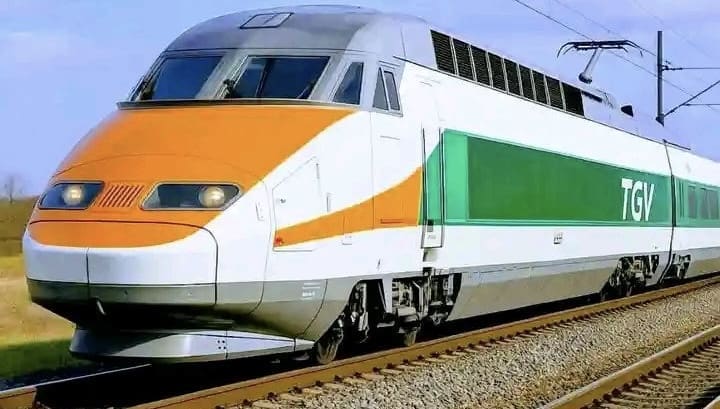
The Côte d’Ivoire is on the brink of a groundbreaking infrastructure milestone as it prepares to launch a high-speed rail network that will redefine travel and economic connectivity across the nation. Within the framework of the 2026–2030 National Development Plan (PND), the government has announced plans to construct a Train à Grande Vitesse (TGV) linking the southern economic hub of Abidjan to key northern cities.

This 640-kilometer high-speed rail corridor will traverse critical urban centers, including Yamoussoukro, Bouaké, and Korhogo, before reaching Ferkessédougou in the north. The project is not merely a technical achievement but a strategic move to bridge gaps between economic zones, slash travel durations, and foster balanced territorial development.
According to the Minister of Planning and Development, Souleymane Diarrassouba, the journey from Abidjan to Yamoussoukro will be slashed to just 45 minutes, a transformative development that could reshape commuting patterns and encourage workforce mobility between the capital city and Abidjan’s economic powerhouse.
Expanding transport networks: metro, airports, and beyond
The high-speed rail initiative is part of a sweeping modernization drive for Abidjan’s metro system, a 37-kilometer network slated for completion by 2029. Additionally, the government is advancing plans for two new international airports—one in San-Pedro in the southwest and another in Bondoukou in the east—to enhance both domestic and regional connectivity.
PND 2026–2030: a blueprint for economic transformation
The 2026–2030 National Development Plan serves as the cornerstone of Côte d’Ivoire’s strategic vision to accelerate economic growth, industrialization, and regional integration. By leveraging key economic hubs and boosting local production, the government aims to position the country as a leading economic force in West Africa.
Central to this strategy is the government’s role in orchestrating long-term development, ensuring stability, and fostering social cohesion. The ultimate goal is to elevate Côte d’Ivoire to the status of an upper-middle-income country by 2030 while maintaining its strong record of stability and unity.
Mobilizing 114 trillion FCFA for national transformation
To fund this ambitious agenda, the state estimates a total investment requirement of 114,838.5 billion FCFA over the 2026–2030 period. The financing model relies on a public-private partnership split, with the private sector contributing 70% and the public sector 30%.
To rally international support, Abidjan will host a high-level Consultative Group meeting on July 8–9, 2026. The event, supported by major financial partners such as the World Bank, the European Union, the African Development Bank, and the United Nations system, will showcase Côte d’Ivoire’s development vision and attract critical funding.
Charting a path to regional economic leadership
With this sweeping infrastructure expansion—spanning high-speed rail, metro systems, airport upgrades, and road networks—the government is determined to cement Côte d’Ivoire’s position as a premier logistics, industrial, and economic hub in West Africa. The transformation is set to unlock new opportunities for businesses, workers, and communities across the nation.