Tchad
Tchad tackles intercommunal conflicts with public security plan
The Chadian Minister of Public Security calls for unified action to curb escalating intercommunal violence, emphasizing a holistic strategy involving all societal actors.

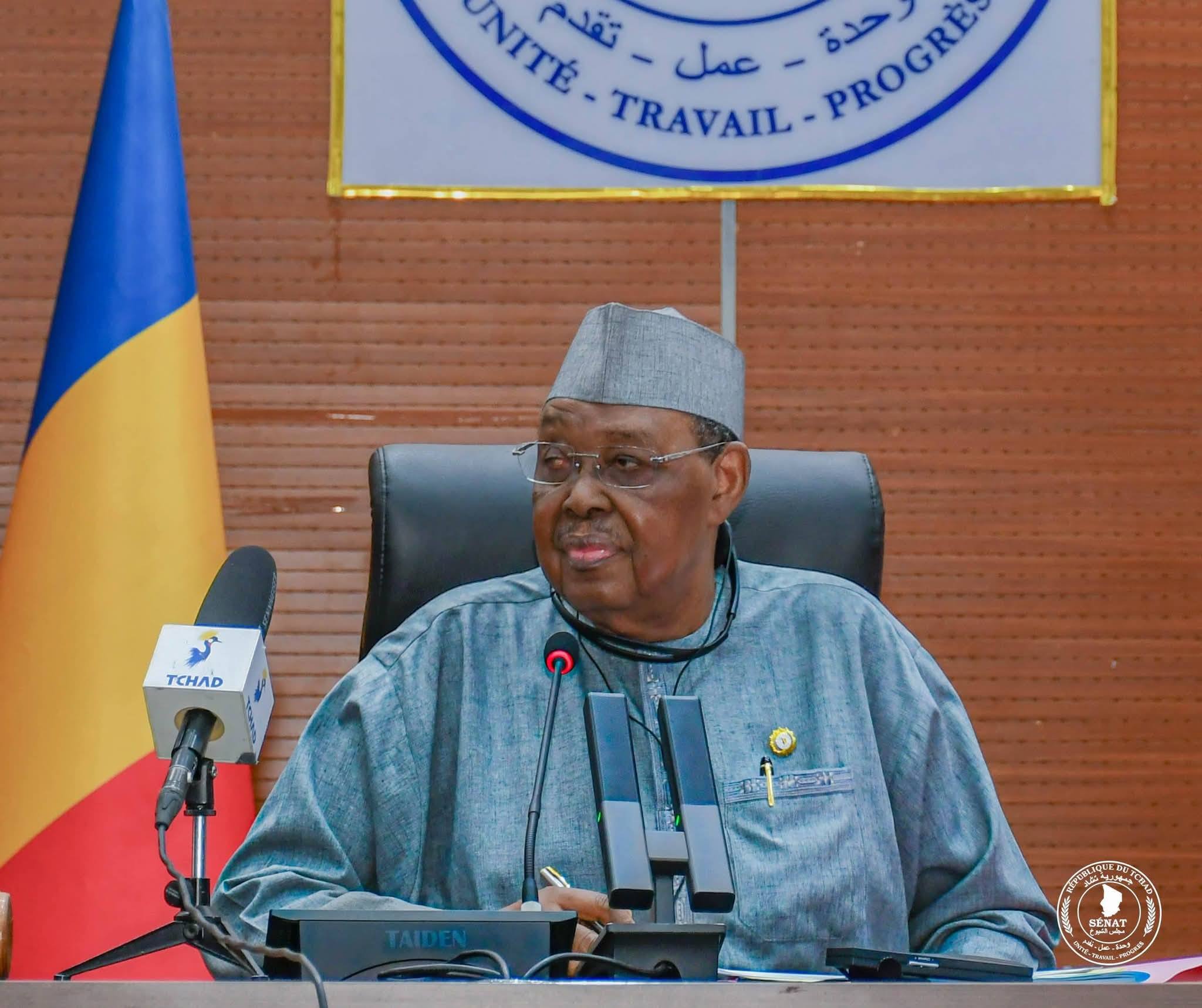
The Chadian Senate, under the leadership of its President Dr. Haroun Kabadi, convened a plenary session on June 1, 2026, to address pressing security challenges facing the nation. The focus centered on the surge in intercommunal violence and the country’s internal stability.
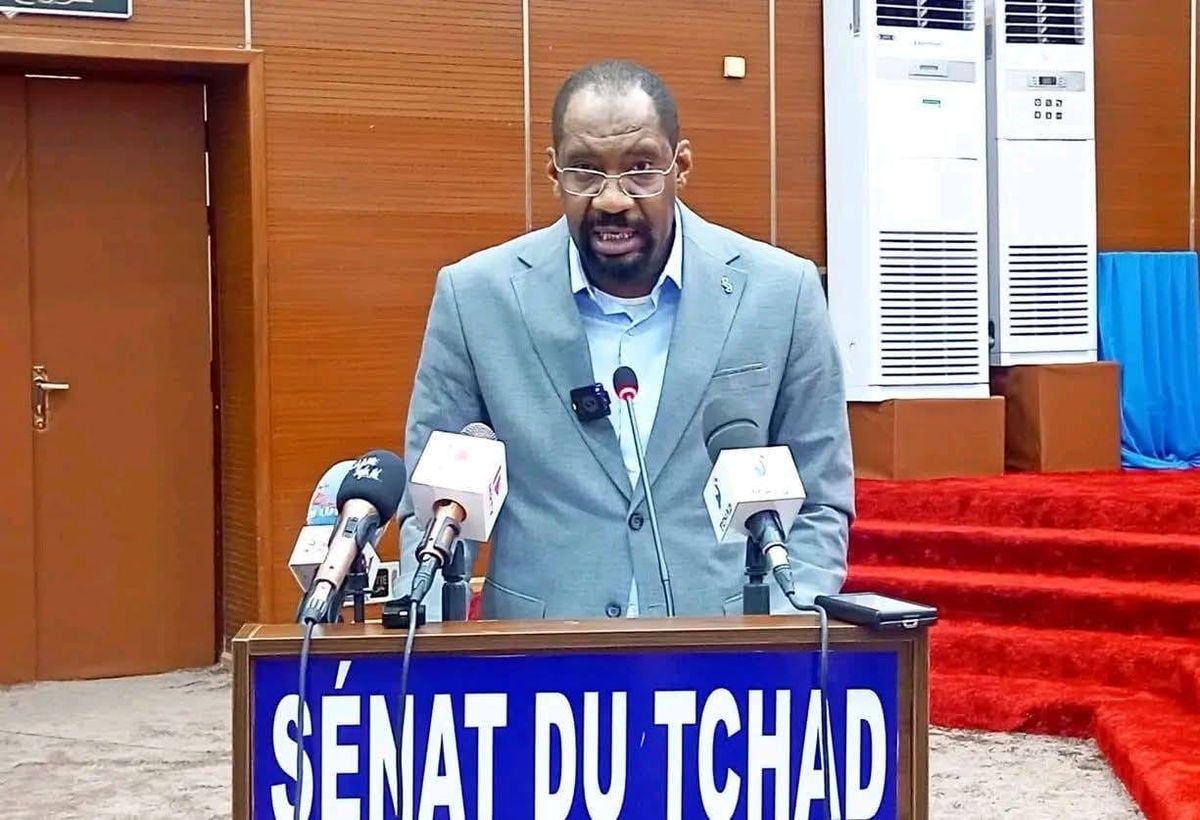
During the session, senators questioned the Minister of Public Security and Immigration, General Ali Ahmat Aghabache, about the growing intercommunal tensions and the government’s strategy to restore peace and social cohesion. The minister provided detailed responses, outlining concrete measures already underway to address these critical issues.
The discussions highlighted deep concerns over rising insecurity in several provinces. Senators emphasized the urgent need to bolster state presence in vulnerable areas, enhance conflict prevention mechanisms, and strengthen operational capabilities of defense and security forces.
General Aghabache presented a sobering assessment of the national security landscape. Official data revealed that intercommunal clashes resulted in 318 deaths and 3,015 injuries between 2024 and 2025. Beyond human casualties, the violence caused extensive material damage, disrupting countless communities across the country.
The minister stressed that these figures underscore the severity of a crisis eroding social cohesion, destabilizing regions, and undermining national development efforts. In response, the government has launched a comprehensive security initiative to protect civilians and prevent further escalation of communal tensions.
Key measures include increased patrols in high-risk zones, enhanced mobility for security forces through new motorized equipment—particularly motorcycles—and the recruitment of 1,000 additional police officers and 1,000 gendarmes to expand national security coverage.
General Aghabache reaffirmed the government’s commitment to strengthening bonds between security forces and citizens, improving surveillance in sensitive areas, and ensuring rapid responses to emerging tensions. While acknowledging the valuable input from senators, he underscored that tackling intercommunal violence requires a collaborative approach integrating security, community dialogue, local mediation, and public awareness campaigns.
The minister emphasized that lasting peace cannot be achieved by security forces alone—it demands the active participation of all segments of society, including traditional, religious, and administrative leaders.
This landmark session illuminated the persistent security challenges Chad faces while reaffirming the nation’s collective resolve to preserve peace, reinforce national unity, and safeguard the well-being of all citizens.