
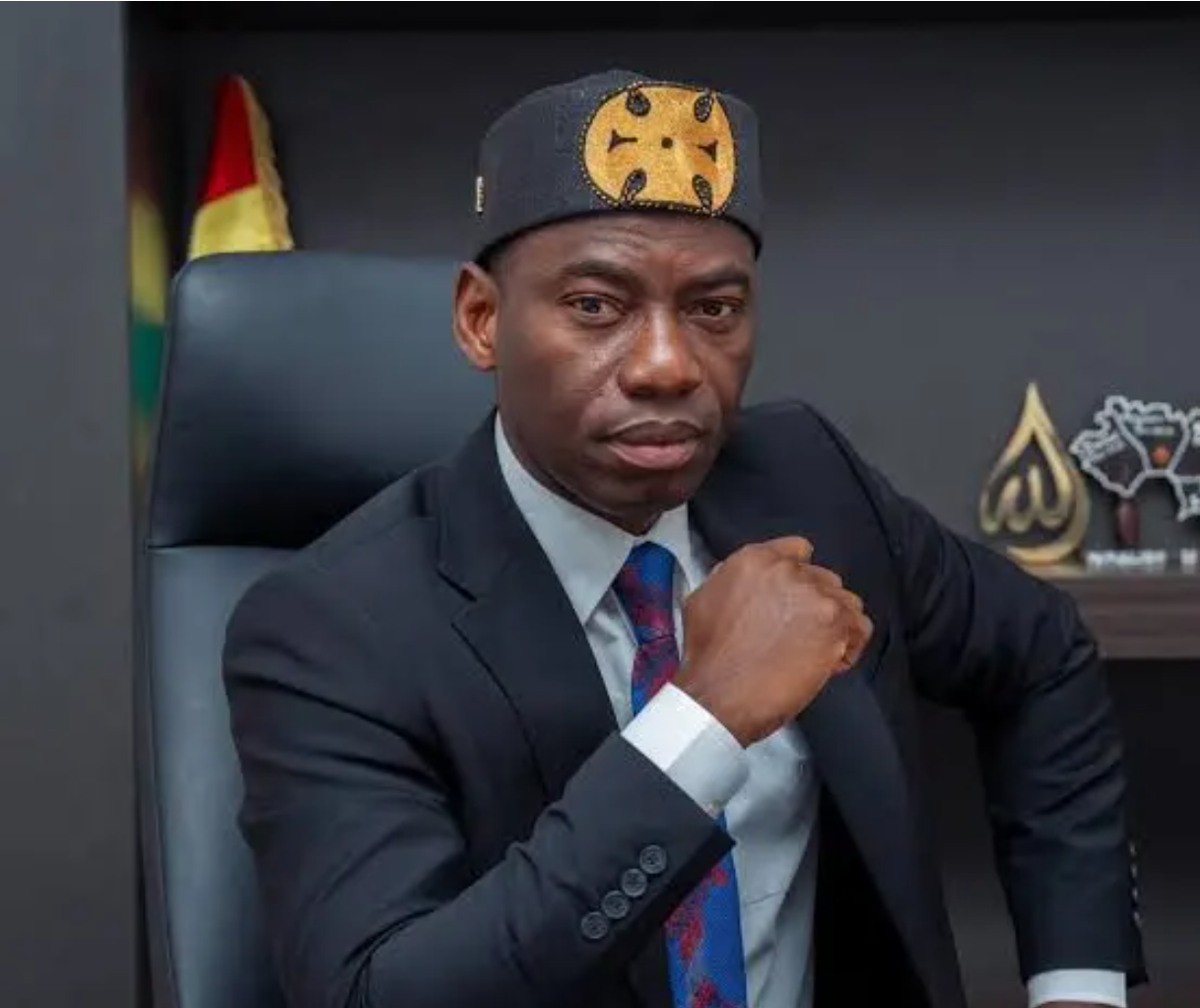
In a move that could reshape regional security dynamics, Burkina Faso has taken a decisive judicial step against Ivorian pastor Camille Makosso. The announcement, made public on November 13, 2026, by the prosecutor general of the Ouagadougou Court of Appeal, has sent shockwaves through West Africa, raising critical questions about cross-border cooperation in counterterrorism efforts.
What does Burkina Faso’s international arrest warrant mean for regional stability?
The issuance of an international arrest warrant against Camille Makosso—known for his public religious and social media presence—marks a new phase in Burkina Faso’s ongoing legal battle against terrorism. This development underscores the growing role of judicial cooperation in combating transnational threats, particularly in the Sahel region, where security challenges transcend national borders.
The prosecutor’s announcement came during a high-profile press briefing focused on multiple counterterrorism cases, signaling the government’s commitment to pursuing alleged terror-related activities through both domestic and international channels. But with limited details disclosed, the full implications of this warrant remain unclear, fueling speculation across the region.
How will this affect Ivory Coast and Burkina Faso’s diplomatic relations?
The international dimension of this case introduces a delicate diplomatic equation. While Burkina Faso has requested judicial cooperation, the next steps will depend on how neighboring countries—particularly Ivory Coast, where Makosso is based—and international partners respond to the extradition request. Historical tensions and varying legal frameworks could complicate the process, making diplomatic negotiations as crucial as judicial ones.
The timing of this announcement is particularly sensitive, coinciding with Burkina Faso’s intensified efforts to strengthen cross-border intelligence sharing and counterterrorism coordination with regional allies. A successful extradition or prosecution could set a precedent for future cases, while a rejection might strain trust between law enforcement agencies.
What are the allegations, and how strong is the evidence?
According to official statements, the warrant is linked to presumed acts of terrorism, though the specifics remain undisclosed. Publicly available information does not detail the alleged offenses, the evidence gathered, or the legal basis for the charges—leaving observers to rely on official communications alone. This lack of transparency has fueled debates about due process and the potential politicization of the case. Critics argue that unproven accusations, when made against high-profile figures, can carry disproportionate reputational and legal consequences. Meanwhile, supporters point to Burkina Faso’s documented struggles with extremist violence as justification for swift legal action.
Regardless of the outcome, the case highlights the fine line between national security imperatives and the preservation of fundamental rights, including the presumption of innocence—a cornerstone of democratic justice systems.
What happens next? A step-by-step breakdown of the process
The international arrest warrant does not guarantee immediate action. Its enforcement depends on multiple factors:
- Formal recognition by foreign authorities: For the warrant to take effect abroad, authorities in other countries must acknowledge and validate the Burkinabè request under their national laws and international treaties.
- Judicial review and compliance: Foreign courts or prosecutorial bodies will assess the legal merit of the request, including the sufficiency of evidence and the proportionality of the charges.
- Arrest and extradition procedures: If a foreign government accepts the request, local law enforcement may proceed with Makosso’s arrest—though this does not equate to automatic extradition. Extradition requests can face delays, challenges, or even rejections based on legal or humanitarian grounds.
- Public and political response: The case is likely to draw intense media scrutiny, potentially influencing public opinion and government stances in both Ivory Coast and Burkina Faso.
At this stage, it is unclear whether Makosso has been notified, whether he has responded to the allegations, or whether any arrests have occurred outside Burkina Faso. What is certain, however, is that the legal and diplomatic ripple effects will unfold over the coming months.
Why this case matters beyond the headlines
While the international arrest warrant against Camille Makosso is a single legal action, its broader significance lies in what it reveals about the Sahel’s evolving security architecture.
As Burkina Faso deepens its judicial and security cooperation with international partners, this case could serve as a test case for how far states are willing to go in pursuing alleged terror links across borders. It also raises important questions about the balance between rapid response to security threats and the protection of individual rights—especially when high-profile figures are involved.
For now, the case remains in its early stages, with the world watching to see whether justice will be served—or whether the warrant will become another symbol of unresolved tensions in one of Africa’s most volatile regions.