
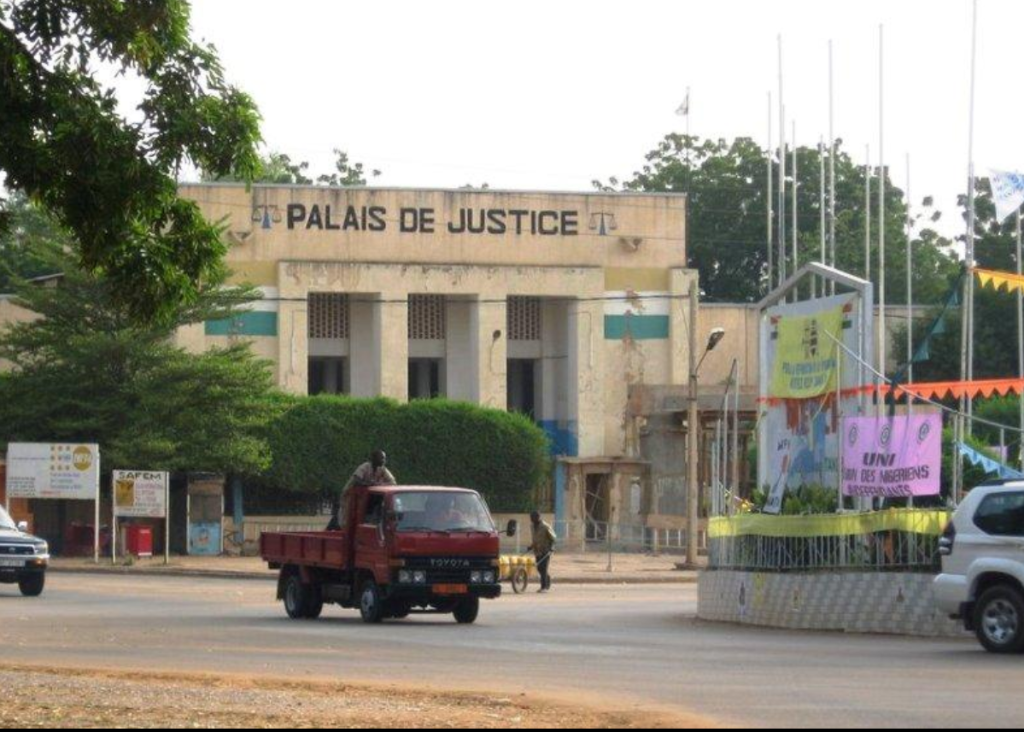
Public trust in Niger’s Cour d’État is eroding as a growing number of magistrates question why some high-ranking judges are being allowed to stay past retirement age while peers are forced out. The controversy centers on three senior officials—including the court’s president—whose extensions have sparked accusations of uneven application of the law and raised concerns about the judiciary’s independence from political influence.
Unequal treatment at the highest levels
At the heart of the dispute are three magistrates whose careers have been extended beyond the mandatory retirement age: Abdou Dan Galadima, president of the Cour d’État, along with vice-president Hassan Hodi and chamber president Yaou Aboubacar. While these officials continue their work, other judges with decades of service are retiring on schedule, leaving many in the legal community baffled by the discrepancy.
Critics argue that these decisions lack transparency and objectivity. Why are some granted extensions while others, equally qualified, are not? The absence of clear criteria for such exceptions has fueled suspicions that personal or political considerations are influencing the process.
How extensions could weaken judicial independence
The controversy extends beyond administrative disputes—it strikes at the core of Niger’s judicial integrity. Legal experts warn that prolonged tenures for certain magistrates could signal an unhealthy alignment between the judiciary and the executive branch. When loyalty to political leadership takes precedence over impartiality and merit, public confidence in the courts inevitably suffers.
Observers point to Minister of Justice Alio Daouda as a key figure in the debate, with critics alleging that his office may be pushing for judicial appointments that favor compliance over fairness. The lack of official justification for the extensions only deepens concerns about the court’s autonomy.
Beyond individual grievances: the cost of institutional uncertainty
The fallout from these decisions extends well beyond the magistrates involved. Internal divisions are straining morale, and the court’s authority is increasingly being called into question. If judges themselves question the fairness of internal policies, how can citizens trust that the law is being applied equally?
A justice system that fails to uphold transparency and meritocracy internally cannot claim to uphold it externally. For Niger’s Cour d’État, the stakes are clear: either reclaim its credibility through fair, explainable policies—or risk becoming just another institution where power dictates rules over the law.
What’s next for Niger’s embattled high court?
The coming months will reveal whether the court can restore faith in its impartiality. Key tests will include:
- Clear criteria for tenure extensions: Will the court adopt transparent standards, or continue with ad hoc decisions?
- Public accountability: Will officials provide concrete reasons for the extensions, or remain silent?
- Judicial reform momentum: Will this crisis push for broader changes to prevent future abuses?
One thing is certain: the longer the uncertainty persists, the harder it becomes to silence the doubts about whether Niger’s top court is truly serving justice—or bending to outside pressures.