
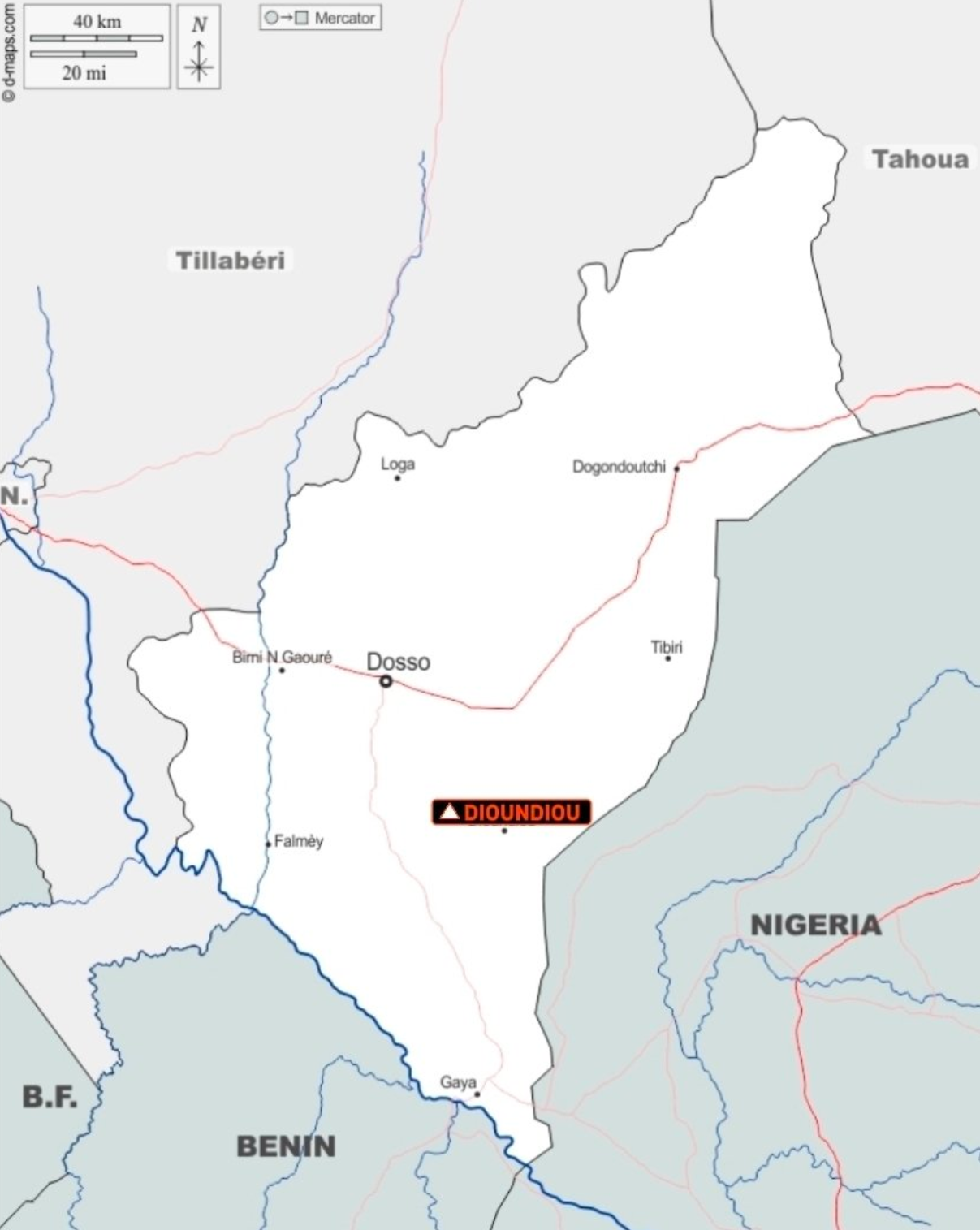
The Dosso region in Niger is once again mourning after a series of brutal raids struck the villages of Libo I and Libo II in the Dioundou area. Over just four days, these communities faced two waves of terror, leaving behind a trail of death, destruction, and despair. Local residents describe the unfolding horror as an unprecedented assault on their way of life.
a weekend of terror and loss
The first attack struck under the cover of darkness on May 25, 2026. Armed assailants stormed Libo I and II, opening fire indiscriminately. Six civilians were killed in the initial assault, their lives cut short in a night of unspeakable violence. The survivors were left in shock, their sense of safety shattered overnight.
But the attackers returned on May 28, this time with calculated cruelty. They systematically torched homes and granaries, wiping out the villagers’ food reserves and stripping them of their only means of survival. The assailants also seized livestock, leaving families with nothing but ashes and grief. The second raid was not just an act of violence—it was a deliberate attempt to erase every trace of normalcy in the villages.
the shadow of the issp lakurawa
Local voices and security analysts point to the Islamic State in the Sahel Province (ISSP Lakurawa) as the likely perpetrator behind these attacks. Affiliated with the Islamic State, this group has steadily expanded its operations across Niger’s borderlands, exploiting weak security presence and porous frontiers.
Their tactics—night raids, targeted killings, systematic looting, and destruction of food stores—match the signature style of ISSP Lakurawa. For the people of Dioundou, who had previously been spared the worst of the violence plaguing the region, these attacks mark a terrifying shift. Fear now grips the community as families wonder who will be targeted next.
military rule fails to protect civilians
The National Council for the Safeguard of the Homeland (CNSP), which seized power in 2023, promised to restore security across Niger. Yet the escalating violence in Dosso exposes the stark reality: the junta has failed to deliver on that promise. Since the coup, the security situation has worsened, with rural communities bearing the brunt of the collapse.
The government’s decision to shift alliances, replacing Western partners with new strategic ties—particularly with Russia and regional actors—has yet to translate into tangible protection for villages like Libo I and II. Patrols and defense strategies touted as game-changers have proven ineffective against mobile, heavily armed groups that roam with impunity.
from villages to vital infrastructure: the spreading threat
The attacks on Libo I and II are not isolated incidents. They reflect a broader, alarming trend: terrorist groups are growing bolder, targeting not only remote villages but also critical national infrastructure. Recent assaults on airports and major logistics hubs—areas previously considered secure—highlight the fragility of Niger’s defenses.
If heavily guarded sites like airports can be threatened, how can isolated military outposts hope to protect rural communities? The expanding reach of insurgents and their tactical dominance signal a crisis spiraling out of control. Every new attack erodes trust in the state’s ability to safeguard its people.
a nation at the brink
Libo I and II now stand as symbols of a shattered peace. Six lives lost, hundreds displaced, and entire livelihoods reduced to ashes—these are the human costs of a security crisis spiraling beyond control. The rhetoric of sovereignty and national pride from Niamey rings hollow to those left in ruins.
With groups like ISSP Lakurawa tightening their grip, and no clear path to reversing the tide, Niger faces a stark choice: reform its military strategy or risk watching large swathes of its territory fall into chaos. The clock is ticking, and the cost of inaction grows heavier with each passing day.