
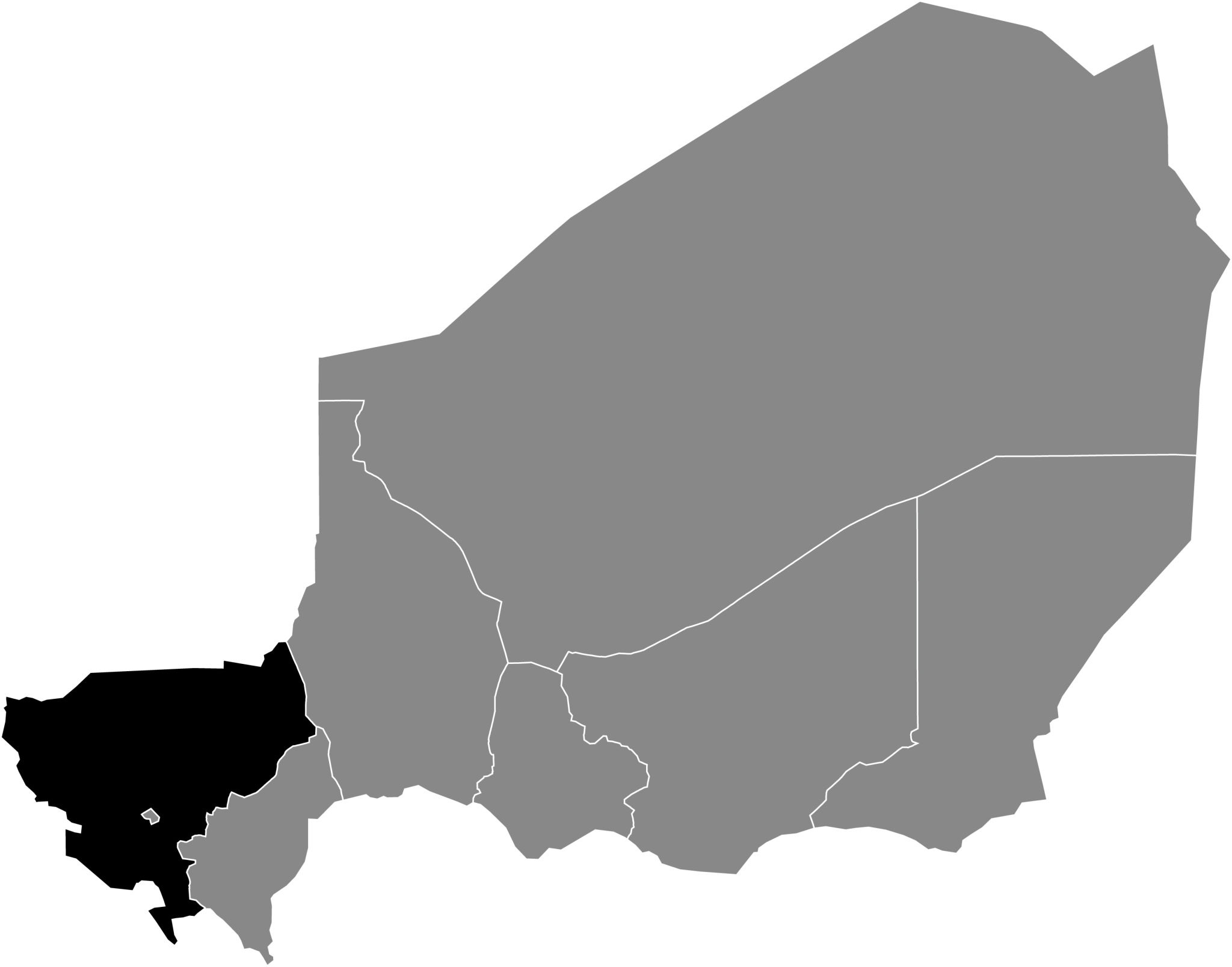
A peaceful gathering meant to honor a life lost turned into a scene of horror when two military drone strikes shattered the funeral ceremony in Chinagodrar, a village in northern Tillabéri, on July 24. The attack, reportedly carried out by Niger’s armed forces, struck a crowd of mourners, leaving at least seven people dead and multiple others injured.
From mourning to mayhem: the tragic interruption
What was intended as a moment of solidarity and remembrance quickly escalated into chaos. Witnesses describe the first explosion sending shockwaves through the crowd, triggering panic and scattering families in all directions. As villagers rushed to help the wounded, a second strike hit, compounding the devastation. The twin blasts left homes nearby damaged and deepened the suffering of a community already struggling under the weight of persistent security threats.
The sheer panic made it nearly impossible to organize immediate aid, with survivors recounting harrowing scenes of screams, frantic escapes, and the overwhelming challenge of providing assistance in an isolated area.
Tillabéri: a hotspot of violence in the Sahel
The Tillabéri region has long been a focal point of instability in Niger. Bordering both Mali and Burkina Faso, it lies within the volatile “three borders” zone, where clashes between state forces and armed groups have become alarmingly frequent. To counter this threat, the Nigerien government has increasingly relied on military drones for surveillance and targeted strikes. While these operations can deliver rapid results against hostile targets, their deployment in areas with dense civilian presence raises critical concerns about intelligence accuracy and the validation of targets.
In villages like Chinagodrar, where funerals, markets, and religious gatherings draw crowds, even minor errors in targeting can lead to devastating consequences. The lack of foolproof intelligence often leaves little room for error, putting lives at risk in an already fragile environment.
The strike’s devastating toll
Local accounts suggest the initial blast caused immediate panic, as mourners scrambled to assist the wounded. The second strike followed within minutes, striking while people were still in disarray. Several survivors were injured in the follow-up attack, while nearby homes suffered structural damage. The emotional and physical scars left by the incident are profound, with families shattered and a community reeling from the sudden violence.
The provisional death toll stands at seven, though locals fear the number could rise as some critically injured individuals remain in unstable condition. Among the victims were people who had simply come to pay their respects, underscoring the indiscriminate nature of the attack and deepening the community’s sense of injustice.
Questions over military operations and civilian safety
This tragedy reignites longstanding debates about the use of drones in counterinsurgency operations. International humanitarian law demands strict adherence to principles that distinguish between military objectives and civilian populations, requiring all possible precautions before any strike. Human rights organizations have repeatedly emphasized that aerial operations in densely populated areas demand flawless intelligence to minimize civilian casualties.
As of now, Nigerien authorities have not released a detailed account of the operation or officially confirmed the circumstances leading to the strikes. The absence of clear explanations has only fueled speculation among locals, who demand transparency regarding the target identification, the operation’s execution, and any corrective measures if civilian harm is confirmed.
Eroding trust in a fragile security landscape
Beyond the immediate human cost, the incident risks further straining the relationship between local populations and security forces. In regions plagued by chronic insecurity, public trust is a vital asset in the fight against armed groups, particularly for gathering intelligence and fostering cooperation with authorities. Each incident resulting in civilian harm risks deepening mistrust, complicating future military efforts, and reinforcing feelings of abandonment among rural communities already exhausted by years of conflict.