
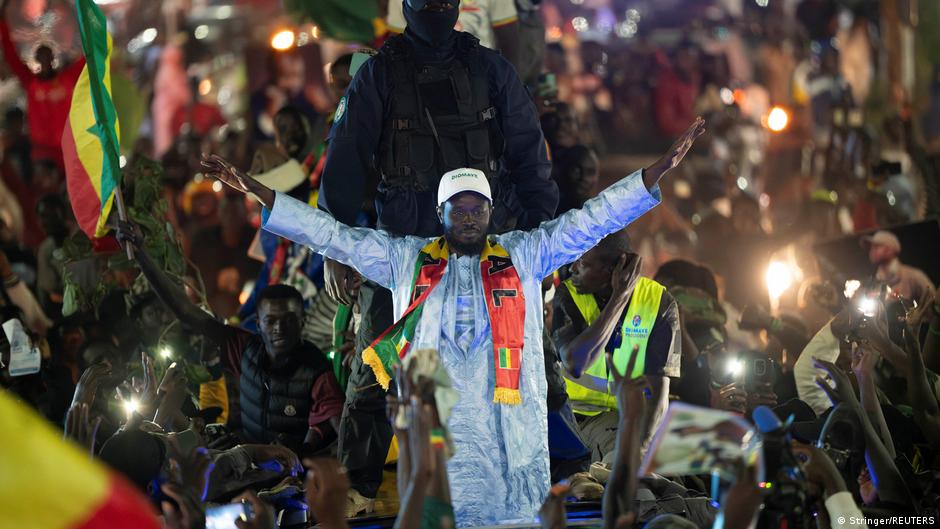
In the wake of his 2024 election victory, Senegalese President Bassirou Diomaye Faye is strategically distancing himself from the Pastef party that propelled him to power. This shift, prominently displayed during a high-profile gathering in his hometown of Mbour, signals a deliberate move toward establishing an independent political identity.
The event, officially framed as a performance review meeting, carried significant political weight. It served as a platform for Faye to assert presidential authority while subtly challenging the dominance of Ousmane Sonko, his Prime Minister and Pastef leader, whose influence has been described by observers as “excessively personalized.”
Building a presidential legacy independent of Pastef
For months, Faye has been methodically crafting a political narrative that emphasizes his role as head of state over his party affiliation. His recent public remarks criticizing the concentration of power within Pastef were widely interpreted as a veiled criticism of Sonko’s outsized influence in Senegalese politics.
The Mbour event took place against this backdrop. Political analysts view it as a calculated effort to cultivate a “Diomayist” movement—one rooted in presidential leadership rather than party machinery. This approach underscores the constitutional hierarchy, positioning Faye as the ultimate authority within the executive branch.
Testing public support in a strategic stronghold
Choosing Mbour was no coincidence. The coastal city represents both a traditional electoral stronghold and a secure environment to gauge the president’s grassroots appeal. Despite the absence of Faye himself—replaced by a video address—the turnout at the Caroline-Faye stadium demonstrated substantial popular support outside Pastef’s core networks.
Political observers suggest two key objectives behind the gathering: first, to showcase Faye’s independent political base; second, to prepare public opinion for potential political realignment ahead of the 2029 presidential election and upcoming legislative contests. The president’s presence was notably virtual, further emphasizing the symbolic nature of the event.
Early signals of a 2029 presidential bid
During the Mbour rally, coalition leaders openly encouraged Faye to seek re-election—a move that, while premature, reveals the growing ambitions within his camp. If constitutionally permissible, this decision would redefine the power dynamics within the ruling coalition, necessitating either a structured cohabitation with Sonko or a clear demarcation of roles and ambitions.
The relationship between the two leaders has grown increasingly strained. Targeted dismissals, a reshaping of presidential communications, and disputes over coalition control reflect an ongoing power struggle at the highest level of government. While an open rupture could destabilize the majority, an ambiguous cohabitation risks accelerating political fatigue among the electorate.
On the domestic front, Faye faces mounting social expectations: youth employment, cost-of-living pressures, judicial reforms, and economic governance. Despite progress highlighted by the administration, delayed reforms and persistent challenges are fueling public impatience across Senegal.
The meeting as a turning point for Senegal’s presidency
The Mbour gathering marks a pivotal moment in Faye’s presidency. It represents his transition into a more conventional, yet riskier, phase of governance—one where he must balance political loyalty, institutional authority, and long-term strategy. The question remains whether this differentiation will strengthen his position or trigger a prolonged crisis within the ruling coalition, especially in a country where unity has long been touted as the cornerstone of the “break” promised in 2024.
As Faye navigates this delicate phase, the stakes are clear: consolidate his leadership or risk fragmenting the very coalition that brought him to power.