

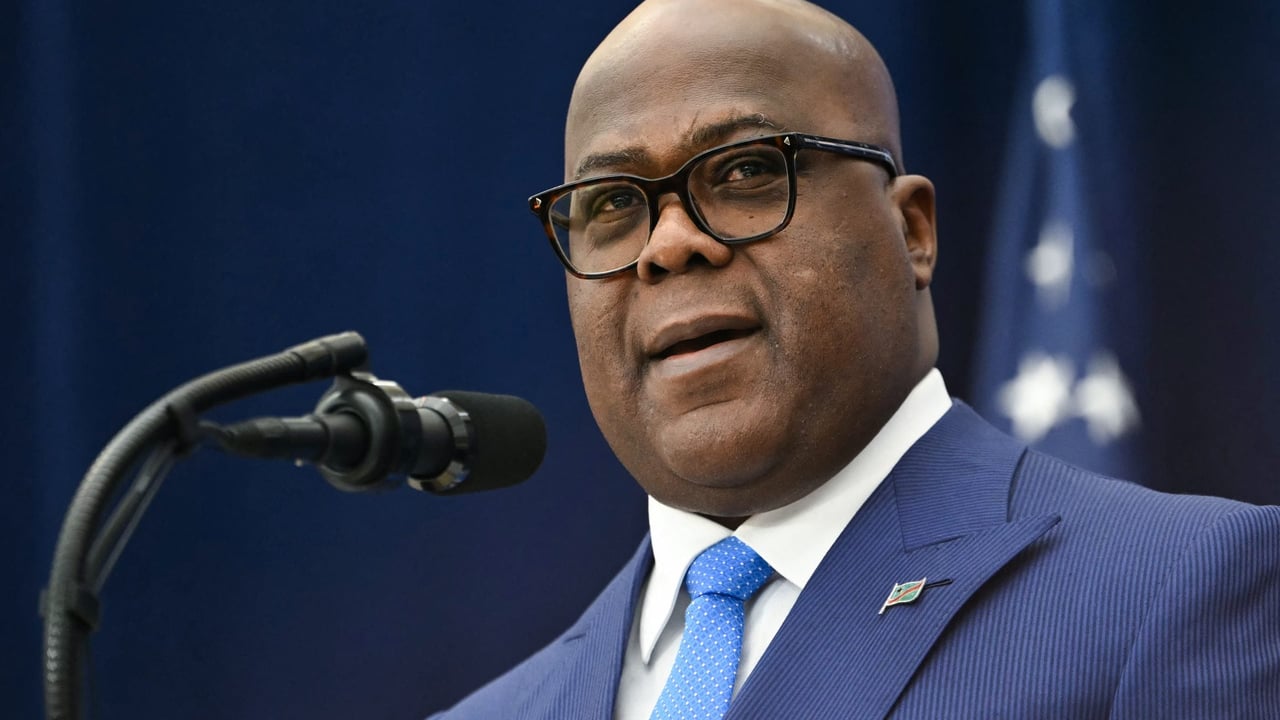
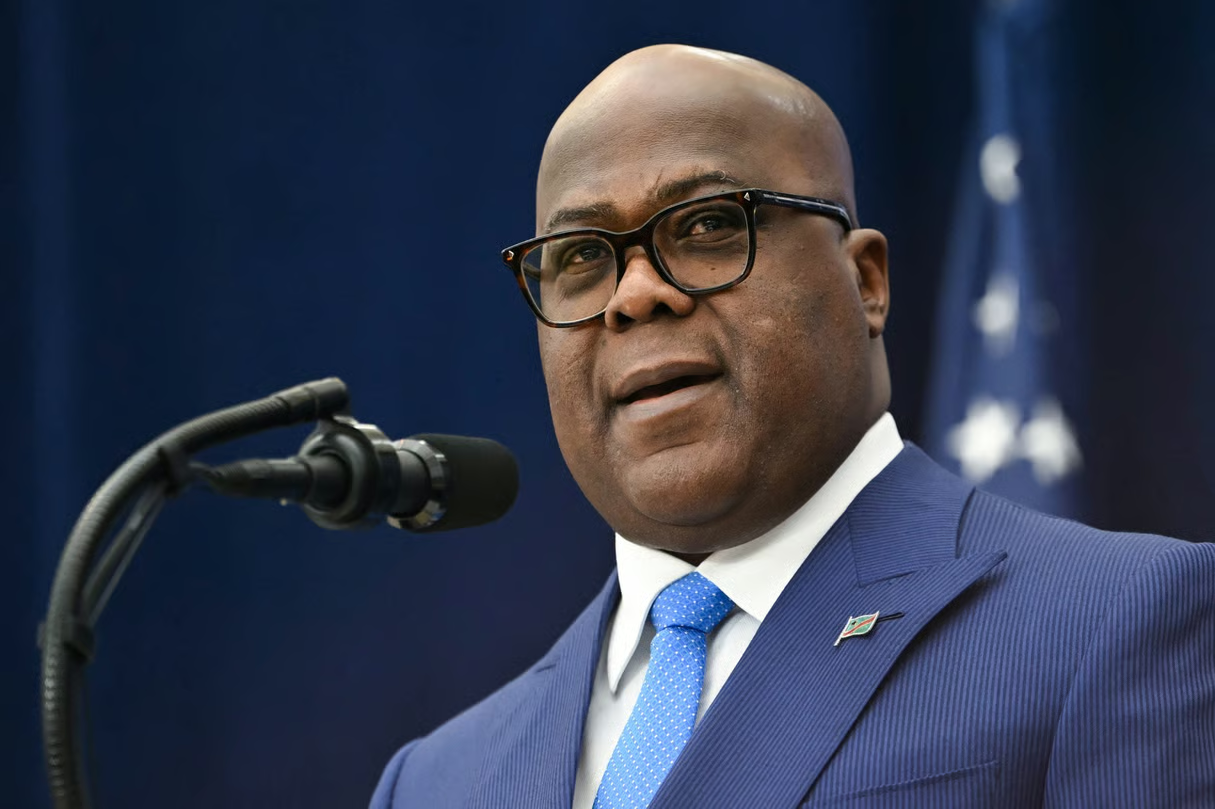
The Democratic Republic of the Congo’s Constitutional Court has paved the way for President Félix Tshisekedi to seek a third term in office. In a landmark ruling, judges validated the controversial legislation that could extend his mandate beyond the previously established limits, sparking immediate debate across the nation.
The decision, announced following an exhaustive review of constitutional provisions and legal arguments, underscores a pivotal moment for the country’s political landscape. Critics argue the move undermines democratic principles, while supporters contend it aligns with evolving interpretations of the law. The ruling has intensified discussions about institutional checks and balances in the DRC.
President Tshisekedi, who has been in power since 2019, now faces heightened scrutiny as the nation braces for potential electoral shifts. Analysts suggest the court’s verdict could reshape the trajectory of Congolese politics, with far-reaching implications for governance and public trust in state institutions.
The decision follows months of legal challenges and public discourse, reflecting the deep divisions within Congolese society. As the political climate evolves, all eyes remain on the capital, where the ramifications of this ruling are expected to unfold in the coming weeks.