

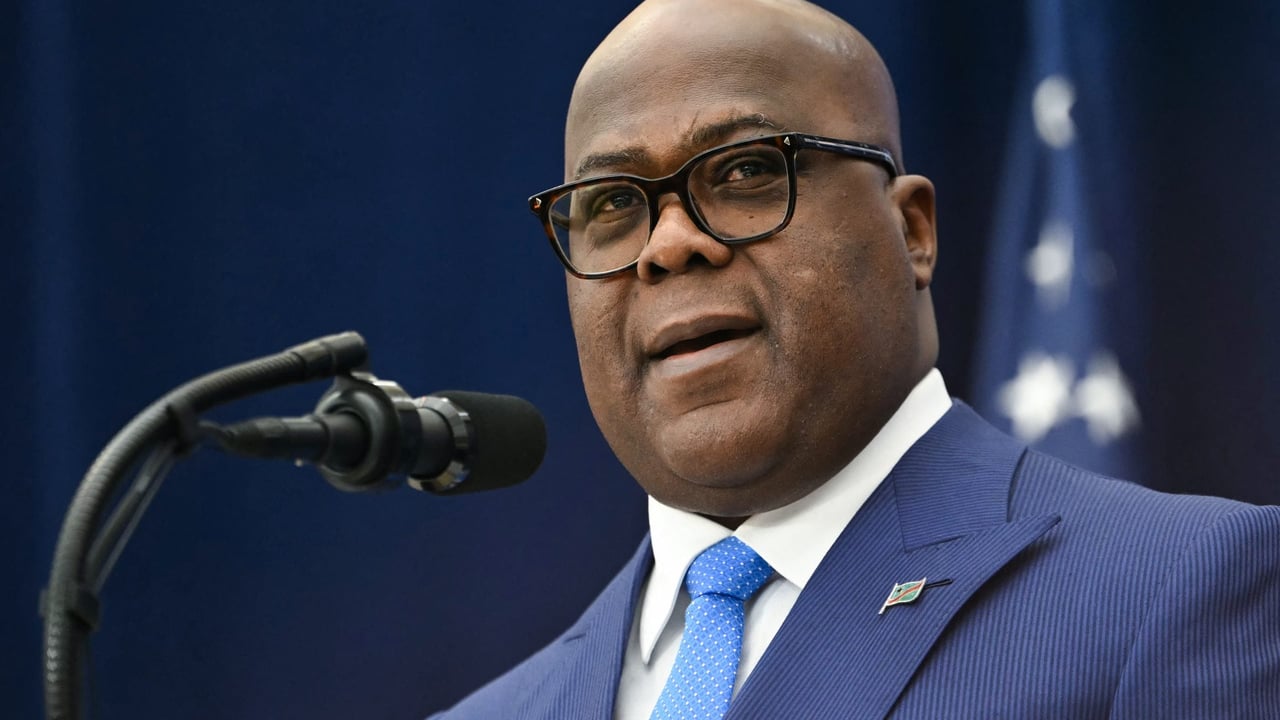
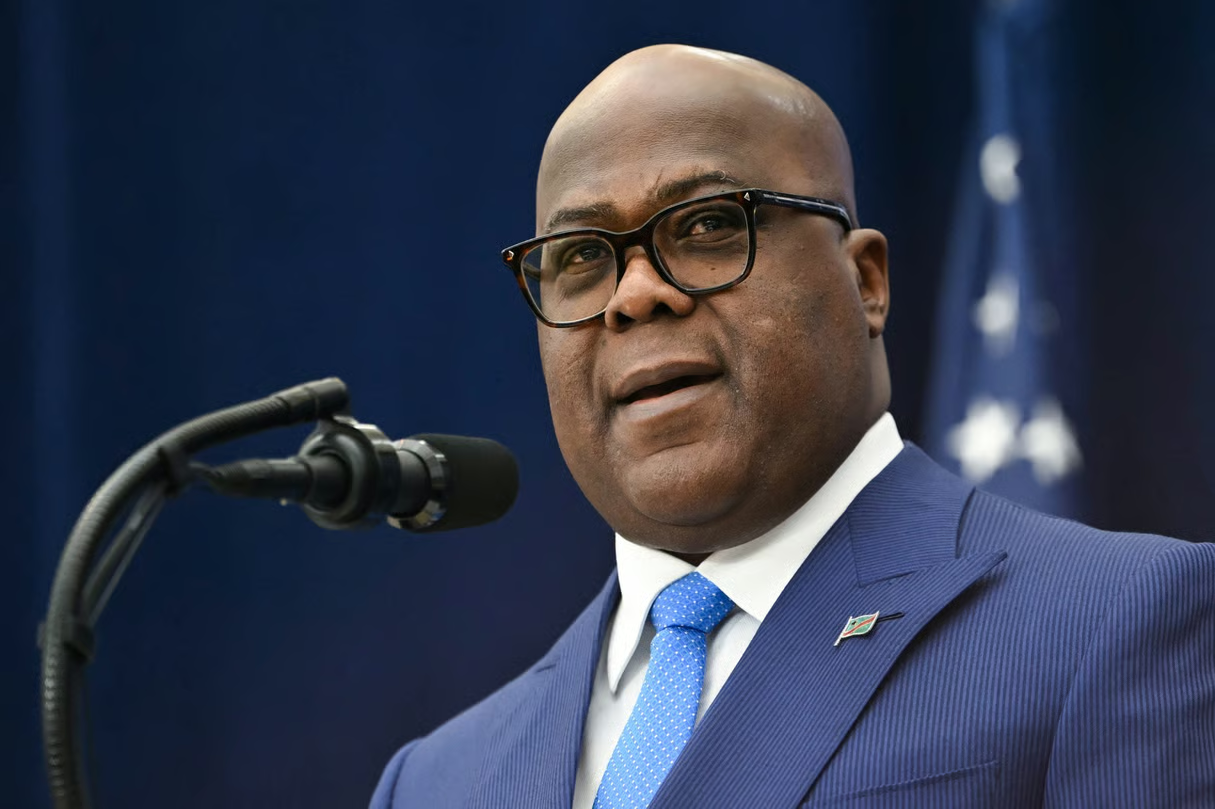
DRC high court paves way for Félix Tshisekedi’s third presidential run
The Democratic Republic of the Congo’s constitutional court has delivered a landmark ruling, endorsing legislation that would allow President Félix Tshisekedi to seek a third consecutive term in office. The decision, issued today, marks a pivotal moment in the country’s political trajectory and has sparked intense debate among citizens and analysts alike.
The controversial bill, which amends the constitution to remove the two-term limit for presidential mandates, was fast-tracked through parliament earlier this year. Opposition figures and civil society groups had vehemently opposed the move, citing concerns over democratic backsliding and the erosion of institutional safeguards. Critics argue that the changes consolidate power and undermine the checks and balances essential for a healthy democracy.
Constitutional court’s reasoning behind the decision
In its ruling, the constitutional court emphasized the principle of sovereign will, asserting that the electorate holds the ultimate authority to determine the length of presidential mandates through legislative means. The judges underscored that the amendments comply with constitutional procedures and do not violate fundamental rights or freedoms. The decision comes after months of legal challenges and public demonstrations opposing the reforms.
Legal experts remain divided over the implications of the ruling. Some contend that the court’s interpretation of the constitution sets a dangerous precedent, potentially normalizing term extensions for incumbent leaders. Others believe the decision reflects a pragmatic response to the country’s complex post-conflict governance challenges, where stability is often prioritized over strict adherence to term limits.
Reactions from political stakeholders
President Félix Tshisekedi’s administration welcomed the ruling, framing it as a victory for democratic choice and national sovereignty. In a televised address, the president reiterated his commitment to inclusive governance and pledged to uphold the rule of law. Meanwhile, opposition leaders have vowed to challenge the decision through every available legal avenue, including international courts, and have called for mass protests to pressure the government into reversing course.
Civil society organizations have condemned the ruling, warning that it could trigger further political instability and erode public trust in state institutions. Human rights groups have also expressed alarm, highlighting the risks of authoritarian drift and the suppression of dissent in the lead-up to the next election cycle.
What’s next for the DRC?
With the constitutional pathway now cleared, the focus shifts to the electoral commission’s preparations for the upcoming vote. Political analysts anticipate a highly charged campaign season, with tensions running high between proponents and opponents of the term limit changes. The international community has also weighed in, urging all stakeholders to prioritize dialogue and peaceful resolution of disputes.
The ruling leaves many questions unanswered: How will the opposition mobilize in the face of these legal setbacks? Can the electoral process remain credible and transparent under the new constitutional framework? And what long-term consequences will this decision have on the DRC’s democratic institutions?
As the country braces for what promises to be a contentious electoral period, one thing is clear: the constitutional court’s decision has set the stage for a defining chapter in the DRC’s political history.