

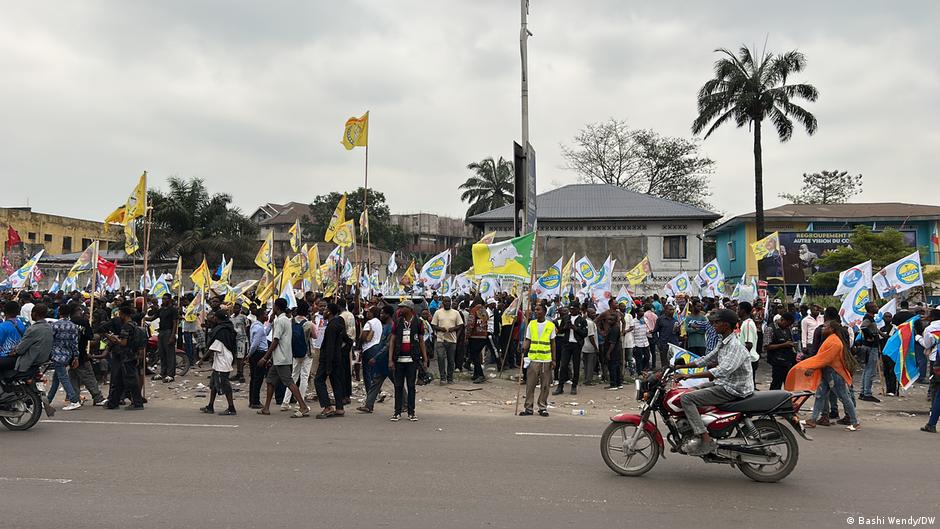
DRC constitutional reform sparks renewed opposition protests
The Constitutional Court’s endorsement of the referendum framework has provided legal backing for the government’s constitutional reform agenda, but opposition forces see it as a dangerous overreach. The Article 64 coalition, a key opposition bloc, has vowed to resist any attempt at constitutional change, warning that the decision paves the way for unconstitutional leadership extensions.
Prince Epenge, a spokesperson for the coalition, delivered a defiant message to supporters: “We will not back down. We will pool our strength and energy to ensure this law never becomes operational in our country.”
He emphasized the public’s resolve: “The people are angry. They must remain standing, mobilized, and determined to reject a third term and any attempt at national fragmentation.”
Residents of Kinshasa voice growing concerns
As opposition leaders gathered in Kinshasa to strategize their next moves, local residents expressed deep unease about the potential for renewed unrest. Many fear that protests could escalate into violence, disrupt daily life, and lead to tragic loss of life.
“Will their demands be pursued peacefully?” asks one resident, stressing the need to avoid “loss of life.”
Another resident warns: “The political climate in the DRC could spiral out of control following this decision.”
Public sentiment is further strained by suspicions that authorities may orchestrate provocations to discredit opposition movements. “Those sowing chaos today are the ones in power,” remarks a local, “They frequently deploy agents to disrupt opposition marches.”
A third resident highlights the human cost: “The real victims will be the people themselves when protests turn violent.”
Political dialogue at risk of collapse
Political analyst Timo Roujean of the Konrad Adenauer Foundation warns that swift presidential approval of the law could derail fragile dialogue efforts and embolden factions advocating for confrontation.
“If the president signs the law before August 15, the dialogue initiative could be completely undermined,” he cautions. He adds that in an already tense environment—where talk of a constitutional coup abounds—the Court’s decision risks fueling extremist narratives that justify armed resistance.
With the government now armed with a legal framework and an opposition refusing to yield, the coming weeks will be critical in determining whether the crisis deepens or finds a resolution.