
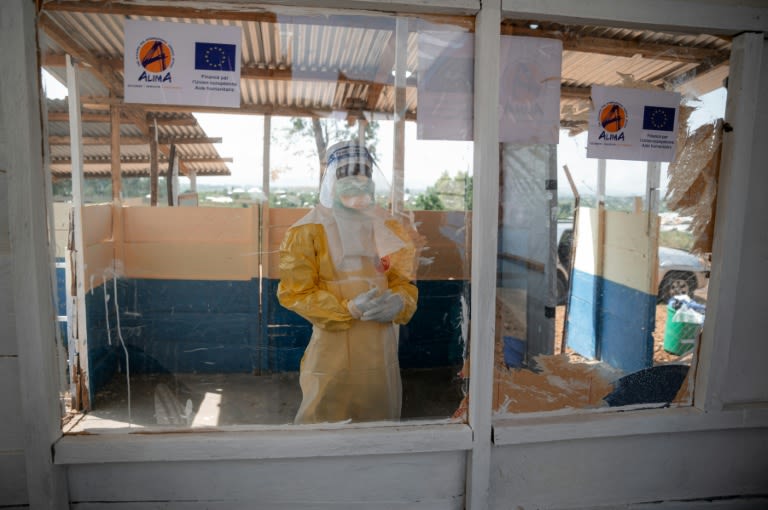
DRC Ebola outbreak surpasses 2,000 deaths as response intensifies
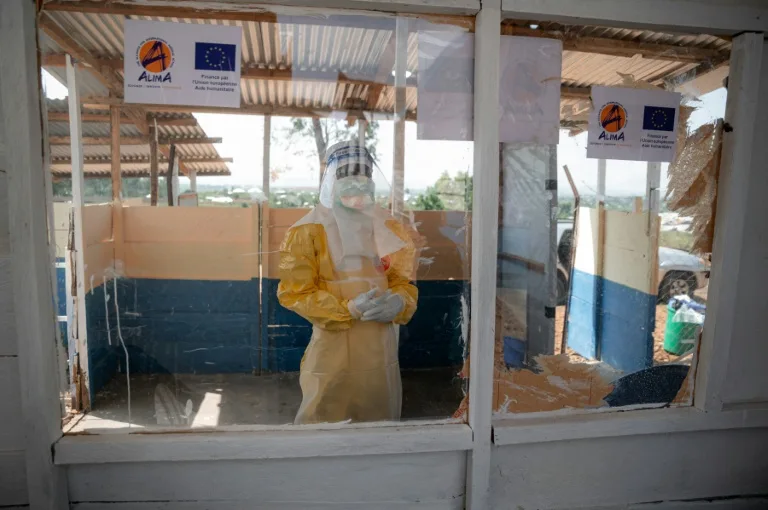
The Ebola outbreak in the Democratic Republic of Congo (DRC) has now claimed over 2,000 lives, marking it as one of the deadliest health crises in the country’s history. This devastating toll comes as health officials race against time to contain the spread of the virus.
Authorities confirmed the 17th Ebola outbreak on May 15, several weeks behind schedule, with cases continuing to surge. Health experts warn this outbreak could potentially become the most severe globally, according to Sania Nishtar, CEO of Gavi, the Vaccine Alliance.
The latest official figures show 2,011 deaths out of 4,381 confirmed cases, with the grim milestone of 1,000 fatalities surpassed on July 22. The fatality rate currently stands at 45.9%, as reported by Congolese health authorities.
Current outbreak worse than the 2018-2020 epidemic
The deadliest Ebola outbreak previously recorded in the DRC occurred between 2018 and 2020, resulting in nearly 2,300 deaths among 3,500 reported cases. Health Minister Samuel Roger Kamba cautioned that the current outbreak has not yet reached its peak, though projections suggest containment efforts may begin showing results within the next three months.
Challenges in outbreak response
The response effort faces significant hurdles, including ongoing insecurity from armed groups and widespread public mistrust. These factors have severely hampered containment efforts in the affected provinces.
Mohamed Yakub Janabi, WHO’s Africa Regional Director, highlighted a critical issue: “Only 30% of infected individuals receive medical care, while 70% die at home.” This pattern distinguishes the current outbreak from previous ones.
Vaccine trials and international support
The World Health Organization has recommended evaluating the existing Ervebo vaccine in clinical trials against the Bundibugyo Ebola variant currently circulating in the DRC. Ervebo, the only licensed Ebola vaccine, is produced by Merck and has a global stockpile of approximately 500,000 doses, with some maintained in-country due to recurrent outbreaks.
The WHO noted that sufficient safety data exists to potentially skip initial trial phases and proceed directly to large-scale phase 3 trials involving thousands of participants. Gavi, which coordinates vaccine procurement for developing nations, confirmed that Ervebo doses from the global stockpile will support these trials.
Additional vaccine candidates are in development, including Moderna’s clinical trial approval in Canada for a Bundibugyo-specific vaccine, and two other promising options: the “rVSV Bundibugyo” vaccine by Hilleman Laboratories and Oxford University’s candidate, which began human trials in late July.
The United States has pledged over $242 million in additional funding to combat the outbreak, while Ebola continues to claim lives across Africa, with more than 15,000 fatalities recorded over the past five decades.