
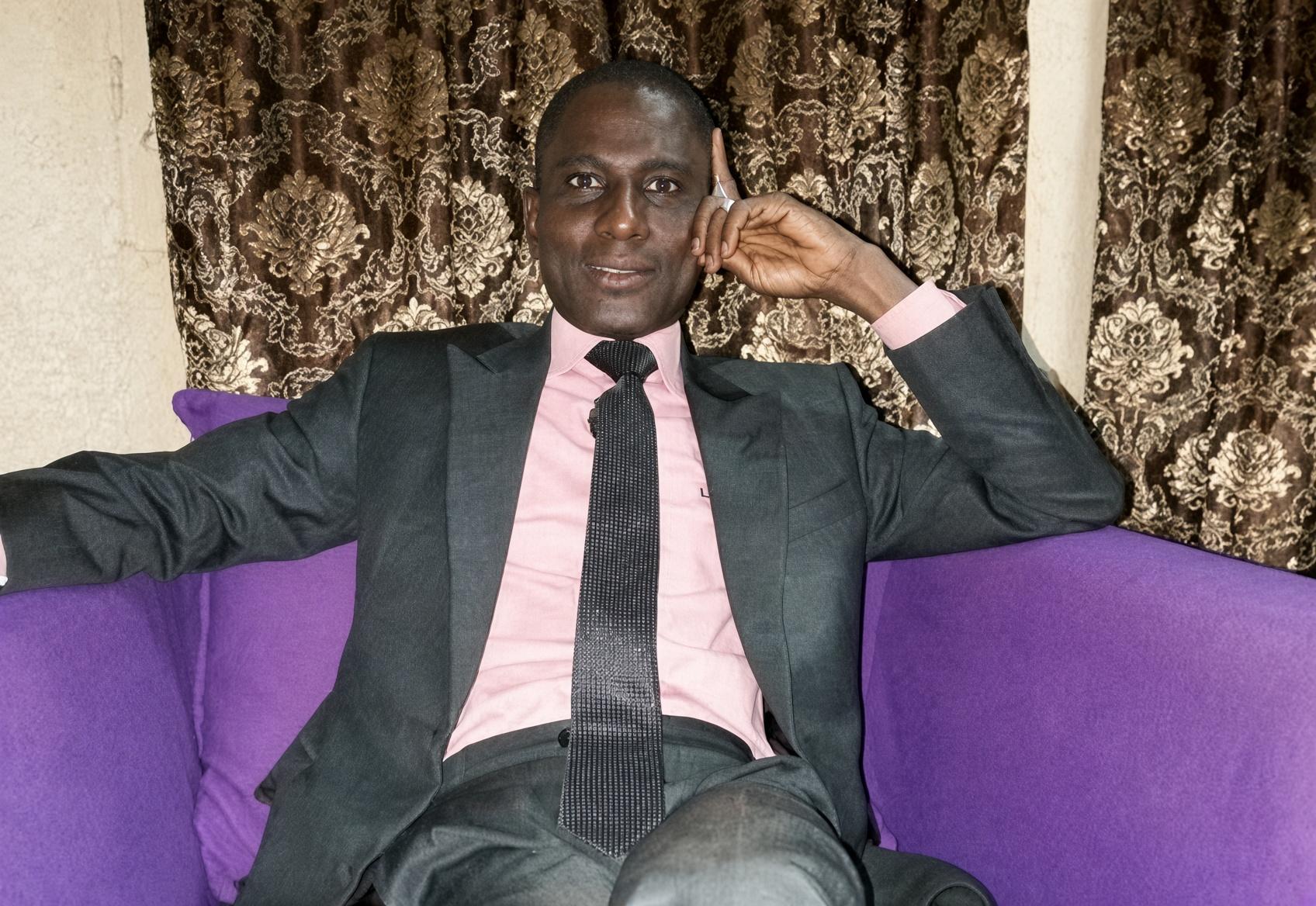
The arrest and imprisonment of lawyer Abdourahamane Lirwana represent a decisive turning point in Niger’s escalating judicial repression. By locking up a prominent human rights defender over a social media post, the authorities have crossed a line that signals a dangerous new phase in their campaign against dissent.
A new era of silencing critical voices
How far will Niger’s government go in its hunt for dissenting opinions? How long will this climate of permanent suspicion last, where simply expressing an opinion, criticizing, or questioning the management of public affairs exposes a citizen to the full force of the judicial system?
The arrest of Abdourahamane Lirwana — a lawyer, human rights advocate, and active member of the Patriotic Movement for Responsible Citizenship (MPCR) — is no routine procedure. It is a direct assault on the legal profession, a blow to the rule of law, and an arbitrary show of force that should alarm anyone who values fundamental freedoms.
When opinion becomes a state crime
The pattern has become disturbingly familiar. Summoned to the Judicial Police Directorate in Niamey on September 21, 2026, the lawyer was taken into custody before being brought before the prosecutor the following day. He was then incarcerated at Niamey prison, charged with “disseminating data likely to disturb public order” under Article 31 of the cybercrime ordinance.
His sole action? Publishing reflections on September 12 on his Facebook account about the situation and morale of the Nigerien army. Under what legal framework does a jurist’s analysis or a citizen’s opinion on the military institution warrant up to five years of imprisonment? This method is clearly designed to instill widespread self-censorship among the population.
Civic space suffocated, freedoms under threat
This latest incarceration is part of a systematic strangulation of civic space. For over a year, arbitrary detentions and prosecutions targeting civil society figures and media professionals have multiplied — mirroring procedures against other civil society actors and well-known journalists.
This drift seriously undermines Niger’s international commitments, particularly the International Covenant on Civil and Political Rights and the African Charter on Human and Peoples’ Rights, which formally guarantee freedom of expression and the right to a fair trial.
The demand: immediate release
Faced with this judicial harassment, firmly denounced by the Observatory for the Protection of Human Rights Defenders (FIDH-OMCT), silence amounts to consent.
Abdourahamane Lirwana has committed no crime: he exercised his constitutional and civic right to freedom of expression. Niger’s judicial and political authorities must proceed with his immediate and unconditional release, drop all charges against him, and guarantee full respect for the work of human rights defenders in the country.