
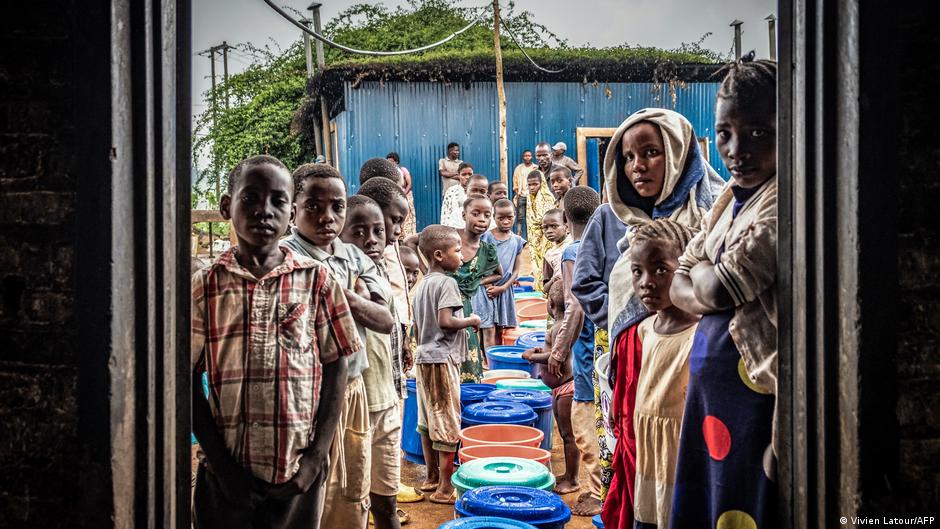
The eastern regions of the Democratic Republic of the Congo (DRC) continue to witness widespread violations of international humanitarian law despite repeated commitments from authorities and international partners. In a bid to address this crisis, the International Committee of the Red Cross (ICRC) convened a critical conference in Kinshasa on July 23, emphasizing the urgent need for stricter adherence to these vital legal frameworks.
As armed groups multiply and civilian casualties rise, the gaps in understanding and enforcing humanitarian law have never been more apparent. These lapses leave populations trapped in the crossfire, with women and children bearing the brunt of the violence.
When warfare disregards humanitarian protections
In conflict zones, the principles of international humanitarian law are often either ignored or misunderstood. This failure to uphold these rules not only endangers civilians but also exacerbates the already dire humanitarian situation in provinces like North Kivu, South Kivu, Ituri, and Tanganyika, where over 200 armed factions operate.
Human rights advocate Julienne Lusenge highlights the staggering toll of sexual violence in these areas, stating, “Millions of women, girls, and children suffer these atrocities every day. While men are also victims, the majority of cases involve female survivors, who face unimaginable trauma.” She stresses the need for international accountability, noting the absence of prosecutions for sexual violence crimes despite their prevalence.
“Without global sanctions and judicial action, these crimes will persist,” she warns. “The international community must act decisively to hold perpetrators accountable.”
Military justice as a tool for deterrence and education
Julienne Lusenge underscores the importance of strengthening security forces and dismantling armed groups to better protect civilians. Meanwhile, military justice in the DRC has taken steps to prosecute soldiers accused of human rights abuses. General Jean-Paul Tshayikolo, a military magistrate at the High Military Court, explains that these trials serve a dual purpose: punishment and prevention.
He remarks, “While no system is perfect, our military justice system works to educate and deter misconduct. Every verdict serves as a lesson for other servicemen, reinforcing the message that impunity will not be tolerated.” He points to documented cases where justice has been served, though acknowledges the challenges in achieving zero impunity.
The challenges of fragmented armed groups
The proliferation of over 200 armed groups in eastern DRC—particularly in North Kivu, South Kivu, Ituri, and Tanganyika—complicates efforts to enforce humanitarian law. Shifting alliances among these factions make it difficult to identify responsible parties, hindering accountability and justice.
Additionally, the blurred lines between civilians and combatants on the ground further undermine humanitarian protections. These obstacles not only delay prosecutions but also perpetuate a cycle of violence and impunity, leaving victims without recourse.