
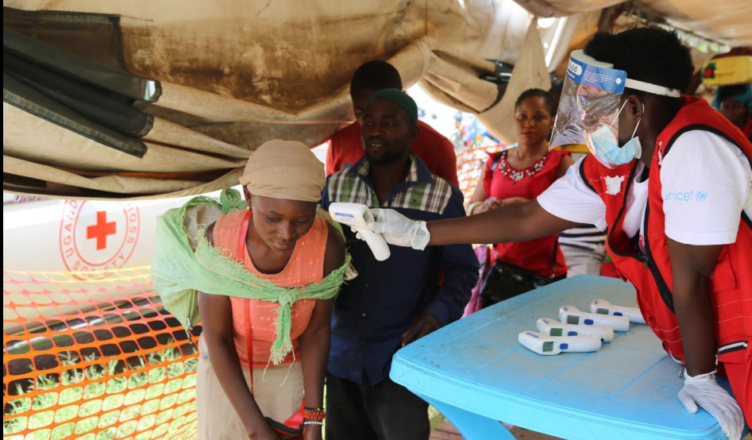
The Ebola virus outbreak in the Democratic Republic of Congo (DRC) has now claimed 438 lives out of 1,406 confirmed cases, according to the latest official report. This represents a fatality rate of 31.2%, underscoring the severity of the situation as health officials continue their containment efforts.
origin and spread of the bundibugyo strain
Declared a public health emergency on May 15, this outbreak is driven by the Bundibugyo Ebola virus, a strain for which no approved vaccine or targeted treatment currently exists. While experimental clinical trials are in the advanced planning stages, authorities emphasize the urgent need for containment to prevent further spread.
regional hotspots and cross-border risks
The disease remains most concentrated in Ituri Province, which accounts for 91.2% of confirmed cases and 83.6% of fatalities. Neighboring provinces such as North Kivu and South Kivu are also affected, though South Kivu has not reported new cases since May 26.
In a concerning development, health authorities confirmed a new case in Kisangani, the capital of Tshopo Province, located over 600 kilometers from the main outbreak zone. A post-mortem test on a 24-year-old pregnant woman revealed Ebola infection. Investigations suggest her body was secretly transported by motorcycle from the Nia Nia health zone in Ituri—despite strict protocols prohibiting the movement of Ebola-related remains due to high transmission risks during funerary rites.
Additionally, a single death and one new infection have been reported in Haut-Uélé Province. Health officials report that the infected individual traveled from Nia Nia and remains at large, prompting active contact tracing and monitoring.
imported cases and containment challenges
Despite these emerging cases, national health authorities maintain that only three provinces—Ituri, North Kivu, and South Kivu—are officially designated as affected zones. They classify the recent infections in Tshopo and Haut-Uélé as imported cases originating from Ituri. Multiple contacts have been identified and some relocated to Ituri for supervised medical observation.
historical impact and global concern
Ebola, transmitted through direct contact with bodily fluids, has killed more than 15,000 people across Africa over the past five decades. In the DRC alone, the deadliest outbreak recorded occurred between 2018 and 2020, resulting in nearly 2,300 deaths and drawing international attention to the persistent threat of zoonotic diseases in the region.