

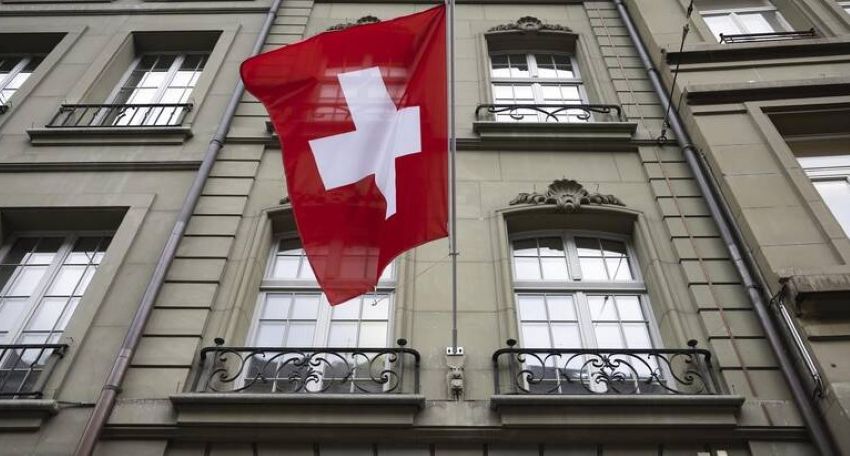
Gabon: swiss accounts probe casts shadow over political finances
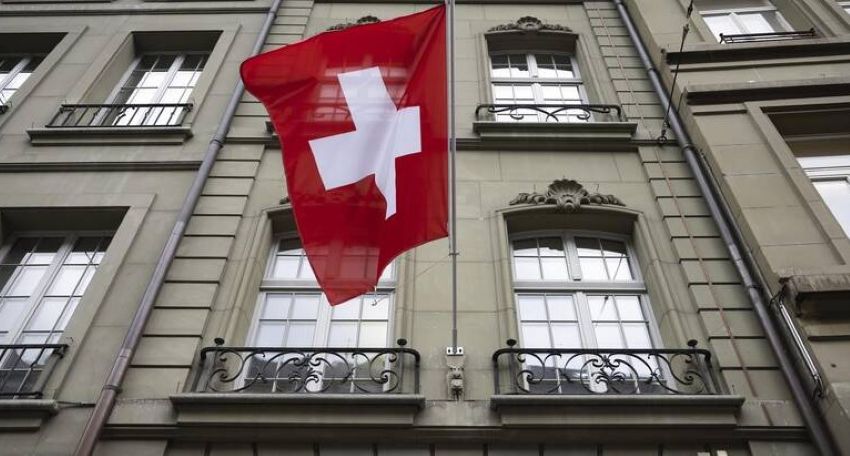
Libreville, July 3, 2026 — The political transition in Gabon has entered a critical new phase, but this time, the battleground is not in courtrooms or streets — it’s in Swiss bank vaults.
While domestic proceedings against Sylvia Bongo unfolded in Libreville, authorities in Geneva quietly launched a parallel investigation into millions of euros allegedly held in a Swiss financial institution. The timing raises questions about the global reach of Gabon’s post-coup accountability efforts and the enduring challenge of tracking illicit wealth.
Geneva’s silent probe: tracing the origin of Gabon’s hidden fortunes
For over two years, Swiss prosecutors have been examining a series of deposits in a Geneva bank, probing whether the funds originated from legitimate sources or represent concealed wealth linked to public funds. The investigation, though independent from Gabon’s domestic cases, intersects with the broader narrative of political finance transparency across Africa.
The Geneva proceedings operate under strict procedural rules, focused solely on financial compliance and money laundering risks. Magistrates are not rendering judgments on Gabon’s political transition, but their findings could indirectly influence public perception of the former regime’s financial practices.
The former First Lady’s defense: legitimacy versus suspicion
From her residence in London, Sylvia Bongo has forcefully rejected the allegations, insisting her assets were acquired through legitimate means and not from Gabonese state coffers. Her legal team argues that the Swiss investigation was triggered by politically motivated accusations in Gabon following the 2023 change of power, and that all transactions underwent rigorous compliance checks.
Yet the core issue remains: can vast personal wealth amassed abroad by public officials ever be considered truly private? The question transcends Sylvia Bongo’s case. It challenges the integrity of governance across the continent, where transparency in political financing has become a cornerstone of democratic credibility.
A test for Gabon’s new leadership
For the transitional authorities in Libreville, this case presents both an opportunity and a dilemma. A Swiss ruling confirming illicit origins of funds could bolster their anti-corruption narrative and legitimize ongoing prosecutions against former officials. But success hinges on securing international cooperation — a process often slowed by legal delays and jurisdictional hurdles.
So far, no public indication suggests recovered funds will be returned to Gabon’s treasury. The investigation’s conclusions remain pending, and the path to asset repatriation looks uncertain.
What is clear is that this case has shifted the debate beyond punishment of individuals. It has elevated the demand for accountability in how political elites accumulate and hold wealth overseas. In an era where financial transparency is increasingly tied to democratic trust, the scrutiny of offshore assets is no longer optional — it’s a necessity.