
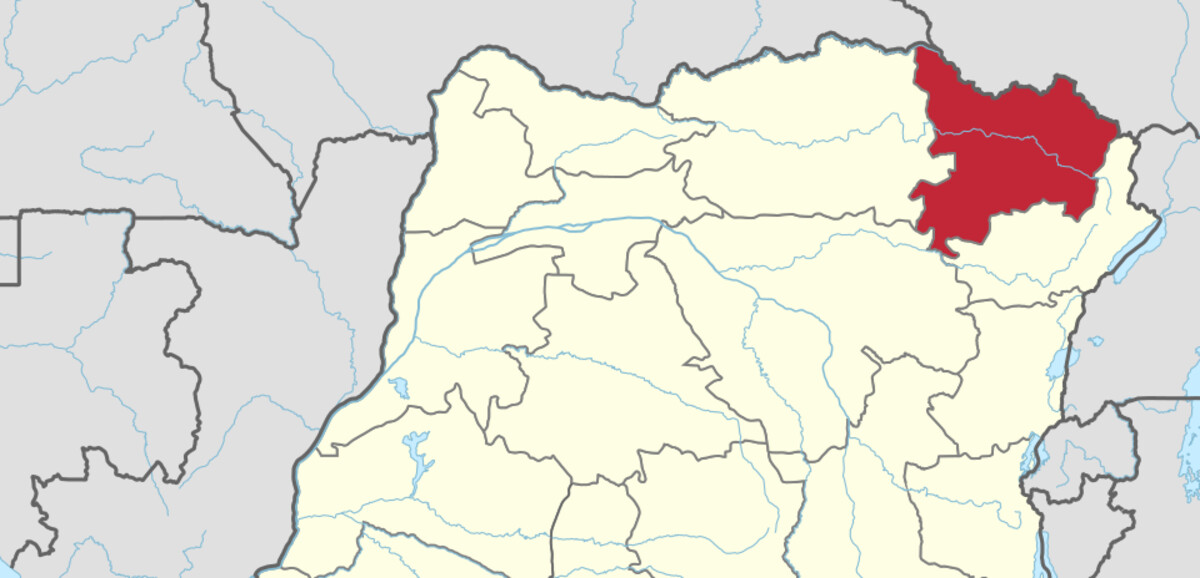
The Ebola epidemic in the République Démocratique du Congo has officially reached a fourth province, with health authorities confirming the virus has entered Haut-Uélé. Since the outbreak was declared in May, the virus has infected 1,274 individuals and claimed 360 lives. While Ituri remains the primary epicenter, medical teams are struggling to contain the spread amidst restricted access, armed conflict, and deep-seated community mistrust.
Prior to this expansion, the virus was confined to three Congolese provinces: Ituri, Nord-Kivu, and Sud-Kivu. Additionally, neighboring Ouganda has recorded twenty cases and two fatalities.
Haut-Uélé now marks the fourth administrative region in the République Démocratique du Congo to report infections. This northeastern province shares borders with Ituri, as well as Soudan du Sud and the République centrafricaine.
A traveler from Ituri reportedly carried the virus into Haut-Uélé, according to medical investigators. This individual has since passed away. Health specialists are now working urgently to map the chain of transmission and identify anyone who may have come into contact with the deceased.
The challenge of traditional burial rites
Transmission often occurs during funeral ceremonies, where the bodies of victims remain highly infectious. Despite the risks, humanitarian workers face significant resistance when attempting to implement safe burial protocols that prevent physical contact with the deceased.
In the République Démocratique du Congo, funeral traditions typically span several days, involving relatives touching and washing the body. This cultural practice has become a primary driver of the virus’s spread. In recent weeks, several health centers have reported hostile incidents, with grieving families forcibly reclaiming the remains of their loved ones.
Violence and insecurity hindering the medical response
The situation in Haut-Uélé mirrors the complexities found in Ituri. Both are volatile border regions rich in gold deposits, creating high-traffic zones for trade and movement that facilitate viral transmission. Furthermore, these areas are plagued by militia violence.
In Ituri, community-based militias and the ADF—a group linked to the État islamique—have carried out frequent massacres for over a decade. The ADF has recently extended its reach into Haut-Uélé, which is also destabilized by armed groups from neighboring countries. This persistent insecurity has severely hampered the medical response, which many experts believe was initiated too late.
Preliminary epidemiological data suggests that the first suspicious deaths may have occurred as early as January. While efforts in Ituri have been intensified, local health facilities in one of the world’s poorest nations remain desperately under-equipped, lacking essential protection kits and disinfectant supplies like chlore.
The Ebola treatment centers established by international organizations are currently overwhelmed, with the Institut National de Santé Publique reporting an occupancy rate of 138%. The toll on frontline workers is also rising, with 78 healthcare professionals infected and 18 deaths recorded to date.
Authorities warn that the outbreak has not yet peaked. Projections suggest the crisis could persist for another six to twelve months. Ebola, which spreads through contact with infected bodily fluids, has caused over 15,000 deaths across Afrique in the last half-century. The most devastating outbreak in the République Démocratique du Congo occurred between 2018 and 2020, resulting in approximately 2,300 deaths from 3,500 cases.