

strengthening Mali’s healthcare system: key strategies for accessible medical care
Mali’s leadership launches a historic month-long initiative to bridge healthcare gaps and prioritize vulnerable populations.
why Mali’s healthcare system needs urgent reform
Mali faces significant healthcare disparities, with rural communities and vulnerable groups struggling to access essential medical services. The 2012 security crisis further strained an already fragile system, leaving many Malians—especially pregnant women, newborns, and war casualties—without proper care.
Key challenges include:
- high infant mortality (54 deaths per 1,000 live births)
- low vaccination rates (only 45% of 12-23 month-olds receive all basic vaccines)
- limited access to healthcare facilities (33% of births occur outside medical centers)
- poor nutritional practices (only 40% of infants under 6 months are exclusively breastfed)
These issues highlight the urgent need for systemic improvements to ensure equitable healthcare access across Mali.
Mali’s bold initiative: the month of health and social protection
To address these gaps, Malian authorities launched the country’s first-ever Month of Health and Social Protection in November. This month-long campaign aims to:
- increase awareness about healthcare rights and services
- strengthen social protection systems
- improve communication between healthcare providers and beneficiaries
“Improving population health remains a government priority. I congratulate Minister Diéminatou Sangaré for this initiative, which provides a platform for dialogue with healthcare actors and beneficiaries to clarify their roles and responsibilities.”
The initiative targets both healthcare professionals and communities to foster greater accountability and participation in health initiatives.
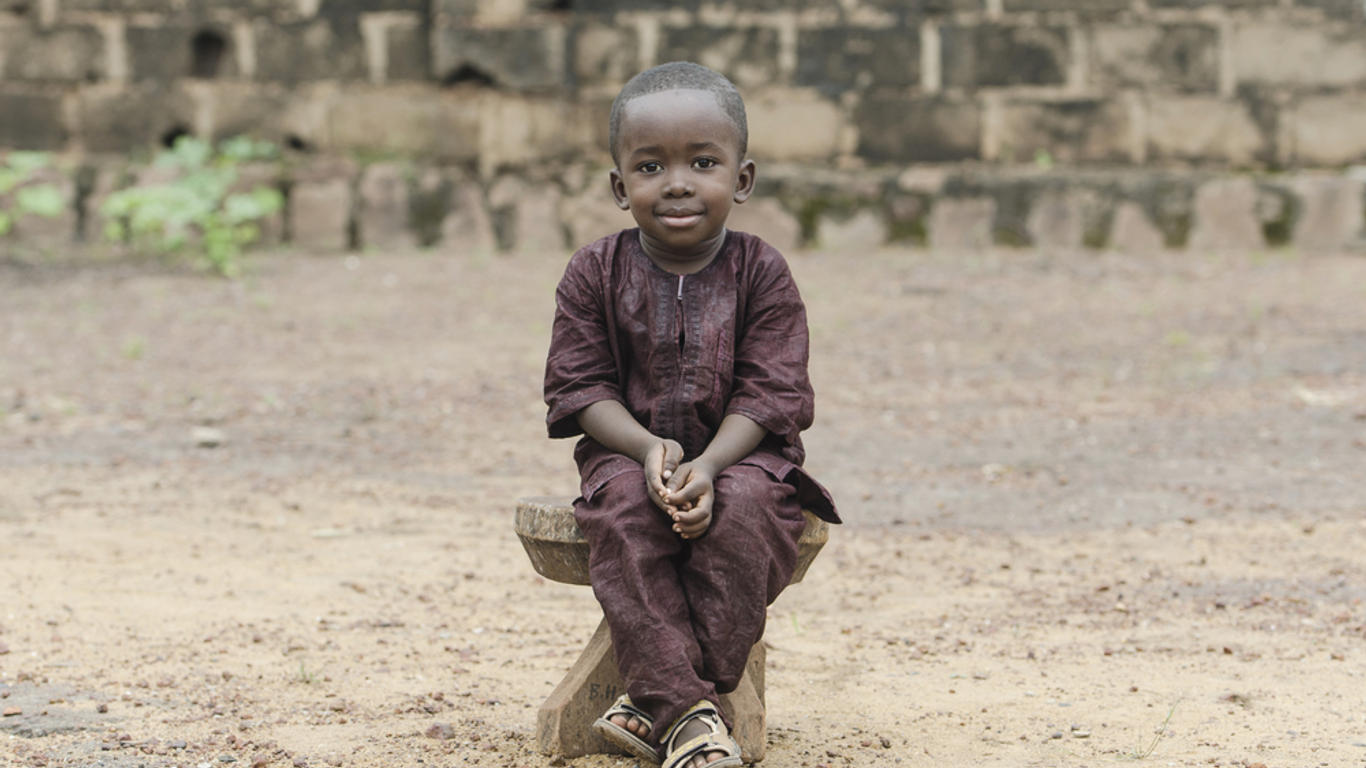
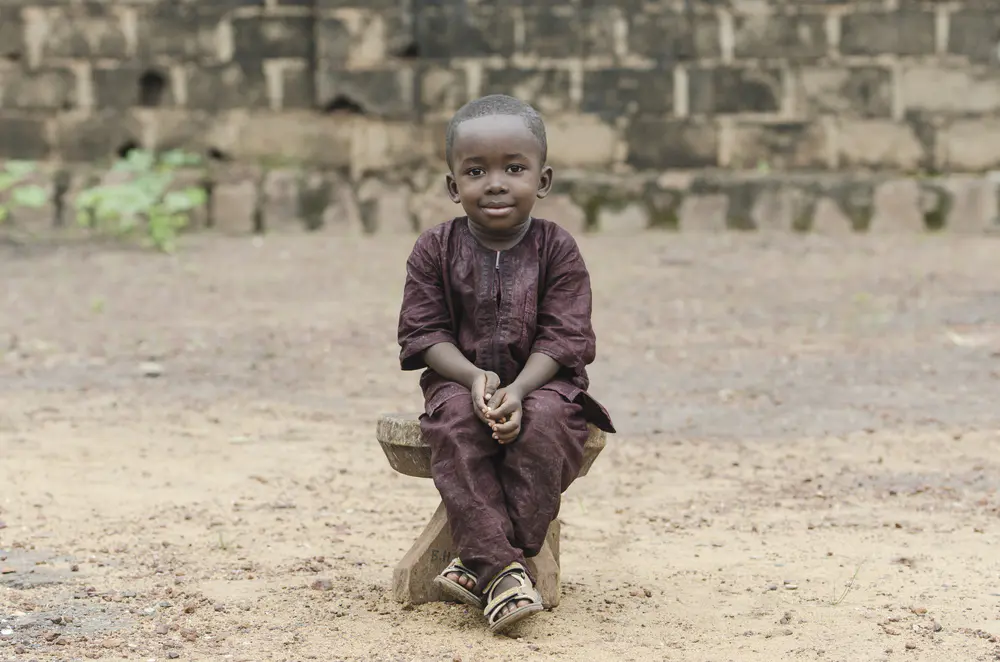
prioritizing children’s health in Mali
Child health is a critical focus of Mali’s healthcare reform efforts. Despite efforts to reduce preventable deaths, progress remains insufficient:
- One in three children under five suffers from stunted growth
- Many families lack knowledge about basic health and social protection systems
- Cultural and logistical barriers prevent many from seeking timely medical care
The Month of Health and Social Protection seeks to address these challenges by:
- educating parents on nutrition and vaccination
- expanding mobile health clinics to remote areas
- strengthening maternal and child health programs