
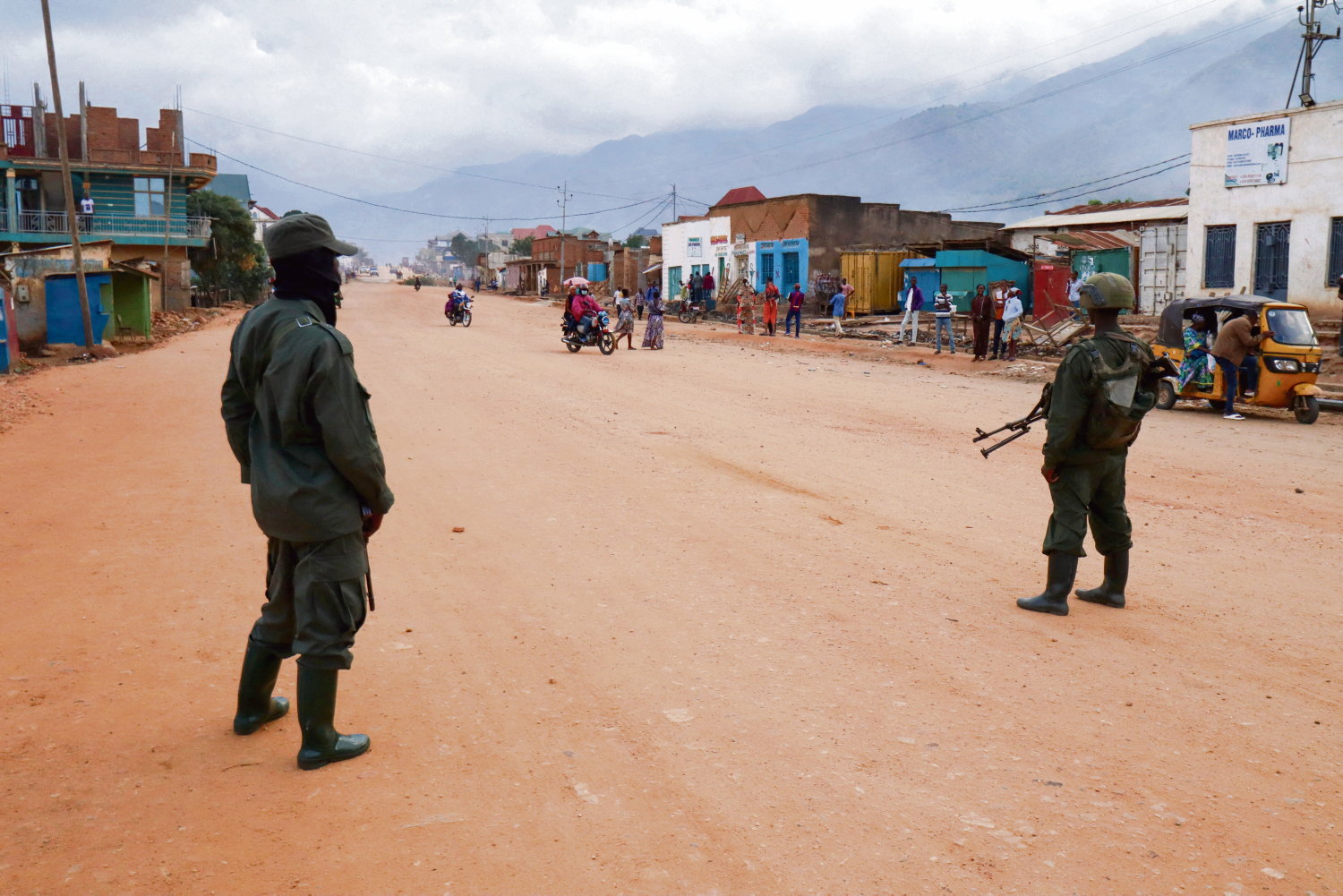
Implementation of the Washington Accord—signed in June 2025 under U.S. mediation between the Democratic Republic of the Congo (DRC) and Rwanda—has failed to curb renewed violence in North and South Kivu. Despite the deadline set for July 15, the withdrawal of Rwandan-backed troops from eastern DRC remains stalled, and fighting continues unabated.
The agreement had called for the Alliance des Forces Démocratiques du Congo/M23 (AFDC/M23)—a Rwandan-supported armed group—to vacate occupied territories in the Kivu provinces. Yet, with the mid-July deadline long passed, the region remains locked in conflict, casting doubt on the treaty’s viability.
Diplomatic deadlock and rising tensions
Washington’s efforts to enforce the accord have hit a wall. Secretary of State Marco Rubio’s pledge that implementation would commence by mid-July has not materialized. Sanctions imposed on armed factions have proven ineffective, leaving U.S. diplomacy seemingly powerless to halt the escalation.
In the absence of progress, local communities bear the brunt of renewed clashes. Civilians in North and South Kivu face displacement, disrupted livelihoods, and worsening humanitarian conditions as rival factions vie for control of strategic zones.
What’s next for eastern DRC?
With the Washington Accord’s credibility in question, the path to peace appears increasingly elusive. The DRC government and Rwanda continue to blame each other for the impasse, while sporadic violence underscores the fragility of ceasefire commitments. Without decisive international intervention, the eastern DRC remains trapped in a cycle of instability.