
The Benin government has taken a decisive step toward tangible social progress with a groundbreaking initiative unveiled in Toviklin, Couffo. On July 15, 2026, officials from the Wadagni administration presented a comprehensive budget allocation of 31 billion CFA francs, marking a bold commitment to improving the daily lives of citizens across all six municipalities in the region.
The urgency of life-saving healthcare reforms
At the heart of this historic plan lies a 1 billion CFA franc fund dedicated exclusively to emergency medical care. This unprecedented allocation signals a paradigm shift in public health policy, placing human life above financial considerations. No longer will life-saving treatments be delayed by upfront payment requirements—medical intervention now takes precedence over billing procedures.
The government has categorically dismissed concerns about uneven implementation, affirming that strict monitoring mechanisms will ensure nationwide compliance. As one official stated, “Life-saving care cannot be delayed by paperwork or financial barriers. Every citizen deserves immediate treatment when their health hangs in the balance.”
Revolutionizing education with essential infrastructure
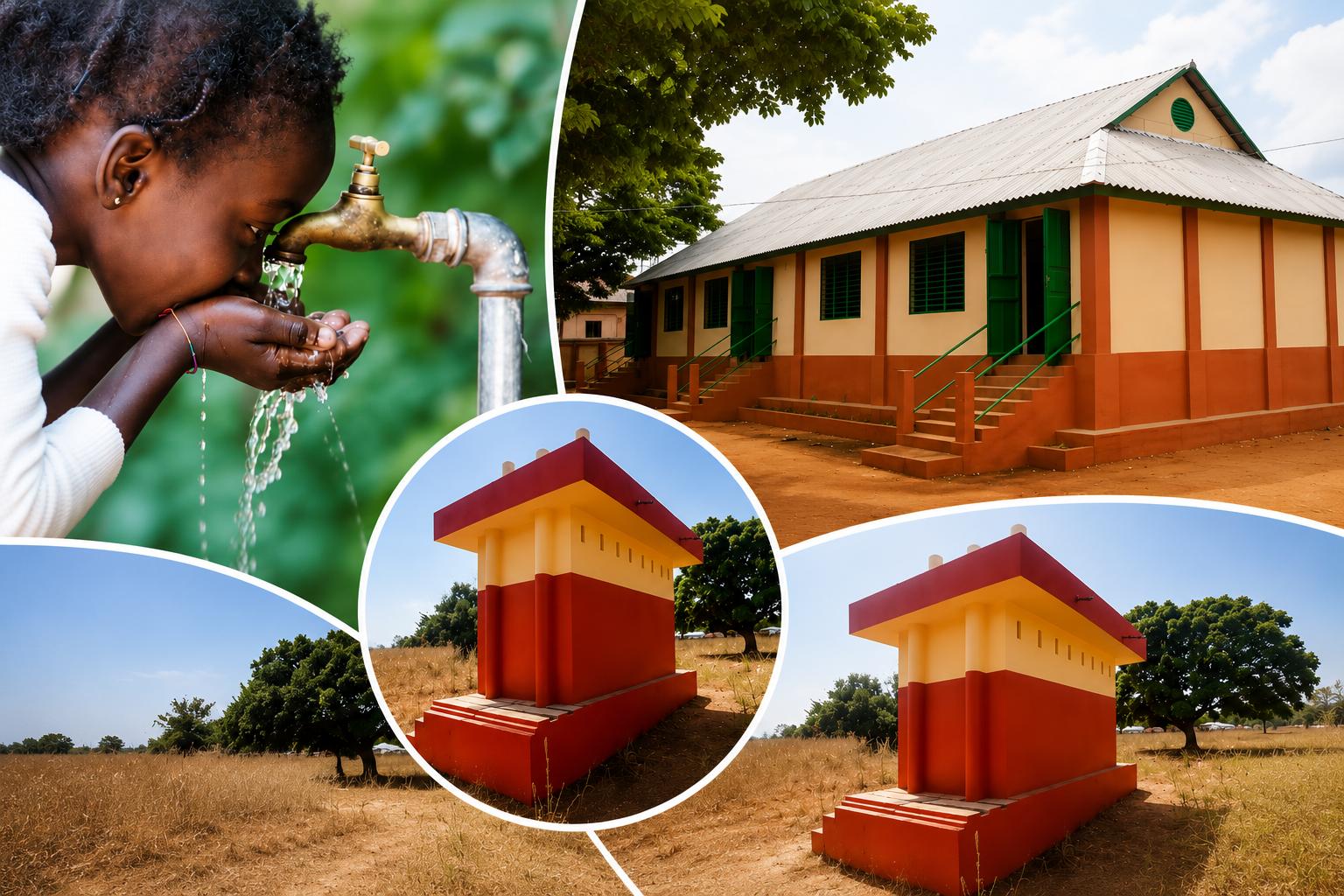
In an effort to address the persistent lack of basic amenities in schools, the government has earmarked 20 billion CFA francs for critical infrastructure upgrades. This substantial investment will focus on three key areas: reliable access to clean water, stable electricity supply, and the construction of gender-segregated latrines.
The rationale behind this initiative extends beyond mere convenience—it aims to foster dignity and reduce school dropout rates, particularly among young women. By ensuring safe and functional learning environments, Benin is laying the groundwork for a more equitable education system.
Empowering rural healthcare through solar-powered solutions
A further 10 billion CFA francs has been allocated to revitalize local health centers, with a particular emphasis on energy resilience. Recognizing the vulnerability of traditional power grids in remote areas, the government is prioritizing solar photovoltaic systems to guarantee uninterrupted medical services, including emergency procedures like cesarean sections.
Additionally, this funding will support the installation of continuous water supply systems in clinics, reinforcing hygiene protocols and safeguarding patient safety. The shift toward sustainable energy solutions underscores a commitment to long-term healthcare accessibility.
A unified vision for inclusive development
The 31 billion CFA franc initiative is far more than a collection of isolated projects—it represents a cohesive strategy to strengthen the foundations of social welfare from the ground up. By prioritizing essential services in health, education, and basic utilities, the Wadagni administration is demonstrating a clear vision for equitable development.
Residents of the Couffo region have responded with cautious optimism, welcoming the transparency of the announcements while demanding tangible results. The coming months will be critical as the government transitions from planning to execution, with communities eagerly awaiting the realization of these long-overdue improvements.