

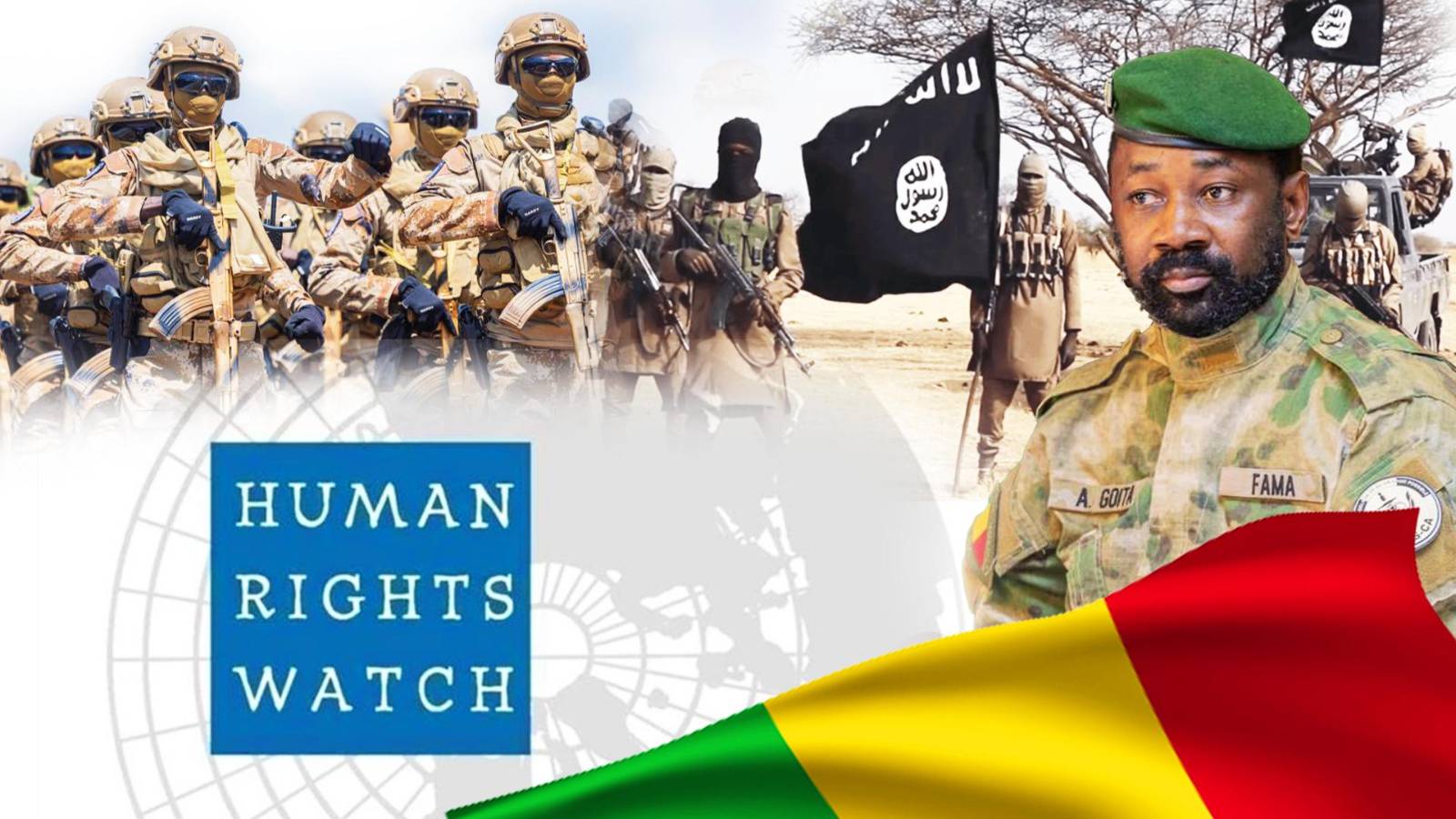
The security situation in Mali has reached a critical threshold following a series of violent confrontations and systematic abuses. Since the pivotal events of late April, the national army, supported by Russian partners from Africa Corps, and various insurgent groups have intensified their operations, leaving the civilian population in a state of extreme vulnerability and economic strangulation.
The fall of Kidal and the military response
A major shift in the conflict occurred on April 25, 2026, when a joint force of the Group for the Support of Islam and Muslims (Jnim) and the Azawad Liberation Front (FLA) seized control of Kidal. This significant defeat for the central government also resulted in the death of Defense Minister Sadio Camara, prompting an immediate and massive counter-offensive by the Forces Armées Maliennes (FAMa) and Africa Corps.
While official figures regarding the human cost of these maneuvers remain scarce, investigations into the ground reality indicate that the initial clashes in Gao and Kidal resulted in at least 13 civilian deaths and 25 injuries. This marks the beginning of a high-intensity campaign that shows no signs of abating.
Economic asphyxiation: the fuel and transport war
Beyond direct combat, a strategy of economic terrorism is being deployed to paralyze the country. Al-Qaeda-affiliated networks have implemented strict road blockades, targeting the vital logistical arteries of Mali. Between May 6 and May 21, over 40 civilian transport vehicles heading toward the capital were intercepted and destroyed.
The systematic targeting of fuel tankers since late 2025 has had devastating consequences. Drivers have lost their lives, and the distribution network is now crippled, leading to widespread power outages and the closure of schools and local markets. In Tonka, near Tombouctou, insurgents even carried out a public execution to intimidate any residents attempting to resist their dictates.
Humanitarian crisis mechanisms:
- Jnim Tactics: Road blockades → Energy shortages → Inflation
- FAMa/Russia Response: Indiscriminate drone raids → Displacement and civilian casualties
Civilian casualties in the crossfire
The response from the FAMa-Africa Corps alliance has also taken a heavy toll on non-combatants. Ground operations in central Mali have been marred by violence against Fulani communities, often unfairly associated with insurgent movements. Data shows that between May 14 and May 17, 38 civilians were killed during ground incursions, including 23 minors.
Aerial technology has also proven lethal for the population. On April 25, a drone strike in Guimbé claimed the lives of 12 children and teenagers. More recently, on May 17, a similar strike targeted a wedding ceremony in Téné, killing 10 civilians instantly.
A climate of impunity and the need for justice
When questioned about their tactics, Jnim leadership claimed that targeted civilians were those who refused to comply with their imposed regulations. Meanwhile, the Malian Ministry of Justice has remained silent, offering no response to inquiries regarding the legality of these operations or the protection of human rights.
The absence of accountability is viewed as a primary driver of the ongoing tragedy. Without the oversight mechanisms previously provided by international missions, the country is sliding further into a cycle of arbitrary violence. There is now an urgent call for the African Union and the United Nations to sponsor a fact-finding mission to secure evidence and pave the way for future legal proceedings against those responsible for these grave violations.