
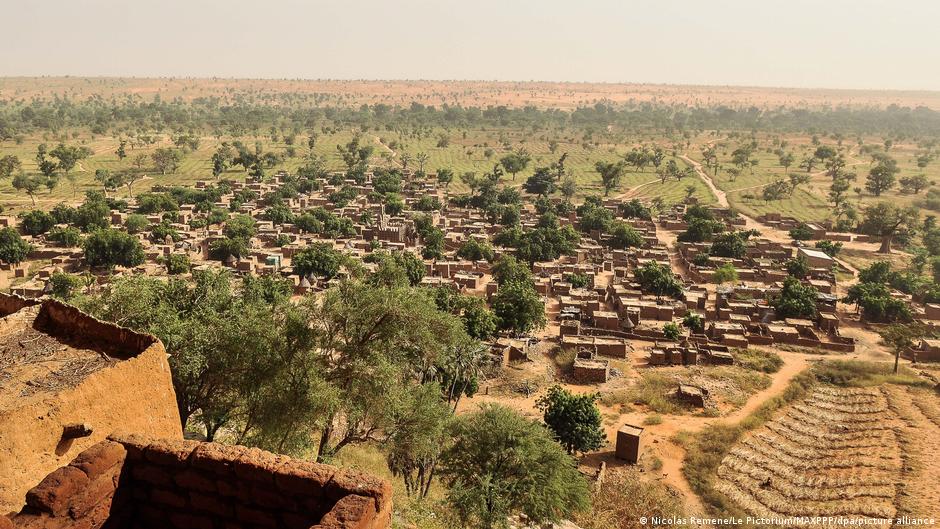
In the heart of Mali, a significant movement of return is underway. Thousands of displaced persons are heading back to their ancestral lands in the Bankass circle. This repatriation follows localized pacts negotiated between community leaders and the Group for the Support of Islam and Muslims (JNIM), an organization affiliated with Al-Qaeda.
While these agreements allow families to reclaim their homes and fields, they come at a steep price. The insurgent group has mandated strict adherence to their interpretation of Islamic law. This includes compulsory veiling for women and a total ban on Western-style schooling in the affected areas.
Strict social codes and educational bans
The conditions imposed by the militants focus heavily on dress codes and religious rituals. Men are expected to wear shortened trousers, and the state-run school system has been abolished in favor of purely religious instruction. For women, the hijab is now a mandatory requirement for appearing in public.
In exchange for these concessions, the villagers—primarily from the Peul and Dogon ethnic groups—have gained the right to resume their farming and herding activities. This comes at a critical time as the rainy season began in Mali during the month of June, allowing for the essential cultivation of crops.
Returning to a changed landscape
An educator from the village of Bare Darsalam, who requested anonymity for safety reasons, recently returned to his home after seven years of displacement caused by the insecurity. He chose to return alone, leaving his wife and children behind while he assesses the stability of the new arrangement.
Reflecting on the state of education and the new social mandates, he noted: “Our school was destroyed by armed groups when the village was evacuated in 2019. Everything was demolished. Even if there were a push to rebuild it now, we would be hesitant. We have resumed our work thanks to the safety guarantees provided by the mayor of Bankass, but we haven’t yet adopted all the new dress codes. I haven’t brought my family back yet because we need to understand how the rules regarding veiling and other restrictions will be applied in practice.”
Resumption of agricultural life
Allaye Guindo, the mayor of Bankass, confirmed that the local settlements between the communities and the armed groups have facilitated a major wave of returns. People are moving back into various settlements that had been left empty for years.
According to the local administration, thirteen villages are currently welcoming back their residents. This includes two villages in Kani Bozon and one in the rural commune of Dimbal, with the remainder located within the commune of Bankass. With the current rainfall, many of those who returned have already begun planting their fields in relative security, bringing a sense of relief to the population.
The framework of these local agreements requires traditional leaders and village elders to align with the regulations set by the armed groups. Under these terms, the implementation of Sharia law has become the foundation for the coexistence between the militants and the local residents.