
A Malian court has sentenced a French intelligence officer, holding diplomatic status, to 20 years in prison for allegedly undermining state security. The ruling, delivered Friday, comes nearly a year after his arrest in Bamako, with Mali also imposing a 20-year entry ban and a €5,400 fine on the defendant.
The case stems from an August 2025 operation by Mali’s security services, during which the French national—identified as Yann V.—was detained alongside several Malian military officers. The latter, now dismissed from service, remain unprosecuted but are accused of orchestrating a spy network aimed at destabilizing the country’s transitional government.
Proceedings took place behind closed doors on Thursday before the Specialized Criminal Chamber for Terrorism and Trafficking, with the verdict announced the following day. Judicial sources, speaking on condition of anonymity for security reasons, confirmed the closed-session trial and the sentence.
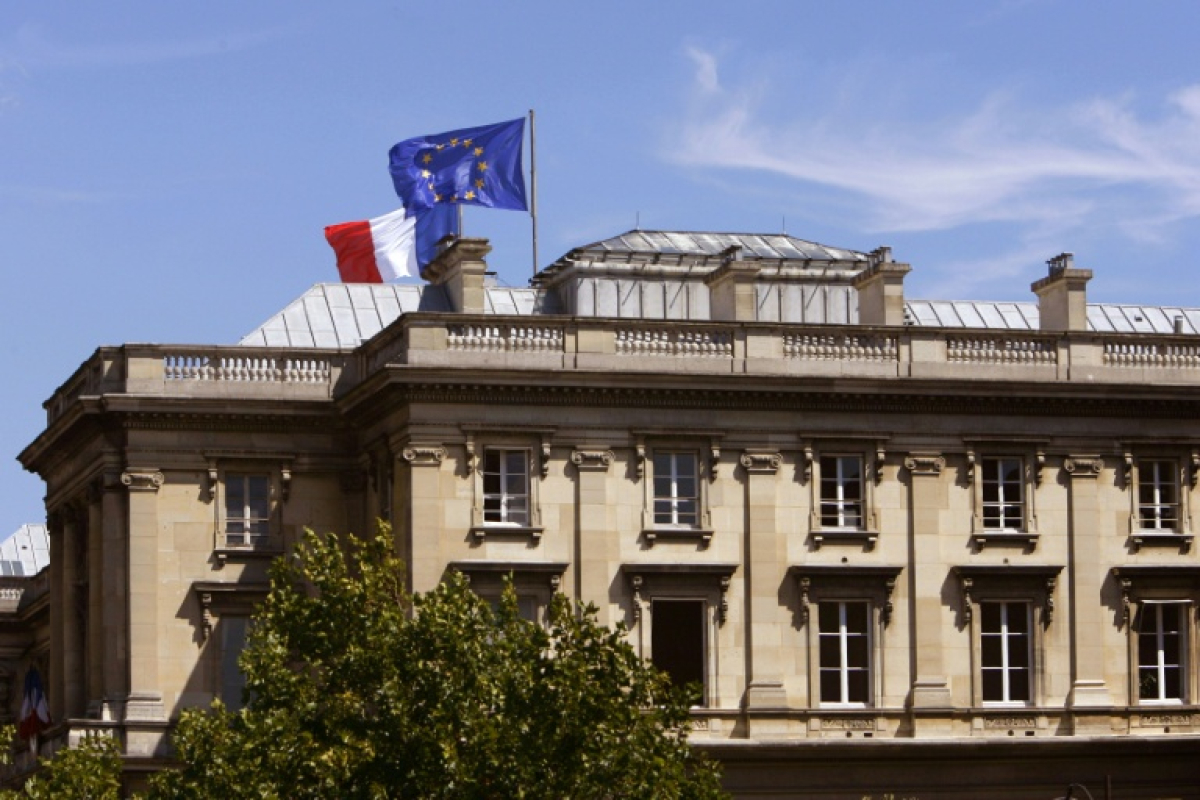
Paris swiftly condemned the ruling, calling the accusations “groundless” and reiterating its stance that the officer was engaged in legitimate security cooperation. The French Foreign Ministry emphasized that the conviction violates the Vienna Convention, to which Mali is a signatory, and demanded an immediate resolution to the case.
In response to the arrest, France suspended its counterterrorism partnership with Bamako and expelled two Malian diplomats from its territory. Officials now emphasize their commitment to securing a “swift resolution” while rejecting any implication that Paris supported efforts to overthrow Mali’s government.
Mali has faced escalating security challenges since 2012, exacerbated by jihadist violence linked to Al-Qaeda and ISIS, as well as communal militias. The military junta, which seized power in 2020 and 2021, has since distanced itself from Western allies—particularly France—in favor of closer ties with Russia.
The country’s instability deepened after coordinated attacks on April 25–26 by the JNIM and the predominantly Tuareg National Liberation Front of Azawad (FLNA) targeted key juncture positions. Among the casualties was Defense Minister Sadio Camara, 47, a key figure in the transitional administration, killed in a suicide bombing.