
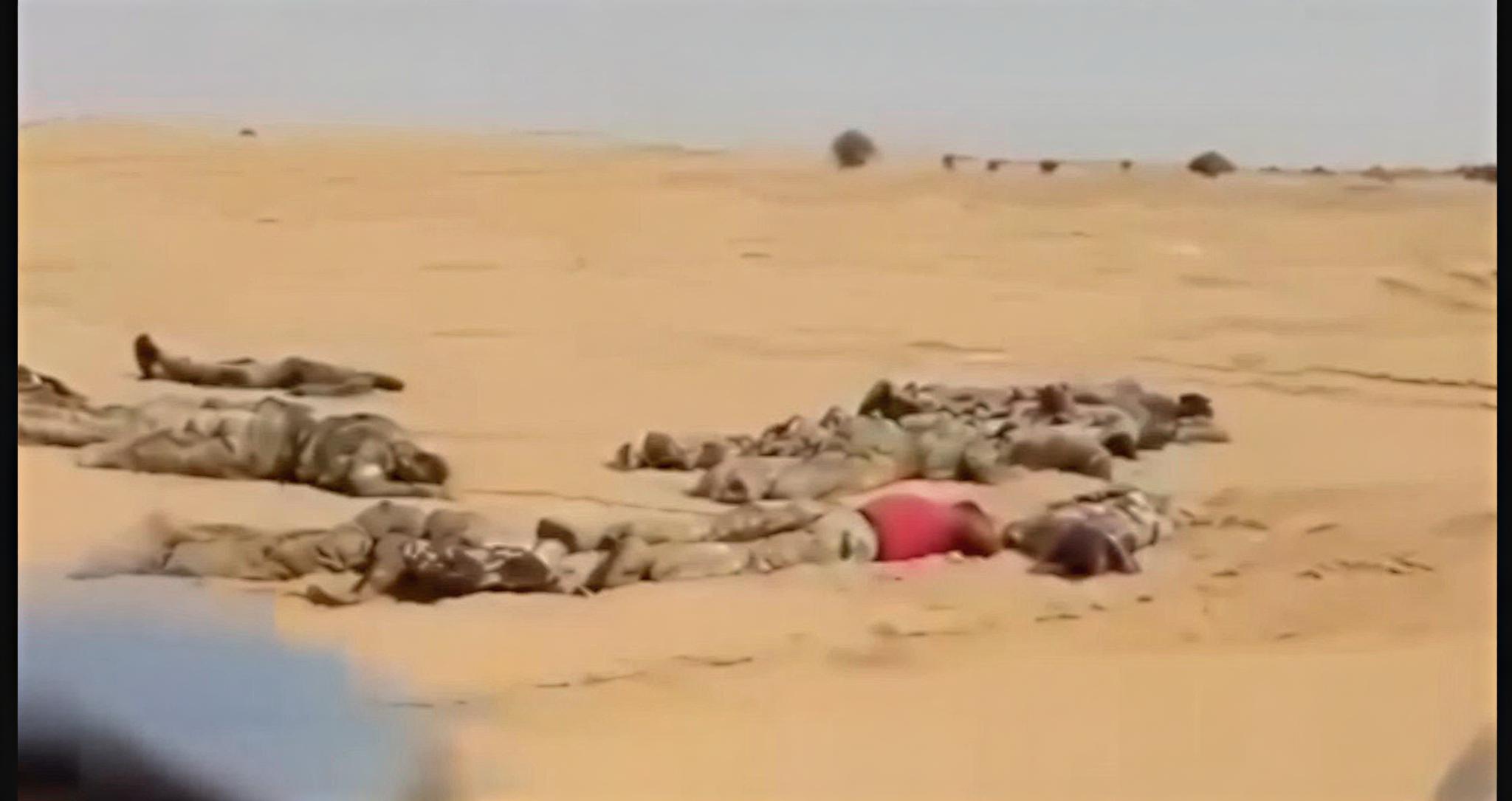
Shocking reports of soldiers tortured and killed in northern Mali ignite international condemnation
Severe allegations of war crimes have surfaced following violent clashes in northern Mali, with mounting evidence suggesting that captured Malian soldiers endured horrific treatment before being executed. Local human rights groups were the first to expose these atrocities, which were later corroborated by verified videos circulating on social media. The victims, members of the Malian Armed Forces (FAMa), were reportedly tortured and then killed after surrendering or being taken captive during military convoy ambushes.
The United Nations High Commissioner for Human Rights swiftly condemned the acts, labeling them potential war crimes under international humanitarian law. The UN has urgently called for a thorough, impartial, and independent investigation, emphasizing that the Geneva Conventions explicitly prohibit such brutalities, regardless of the perpetrators’ affiliation—whether rebel coalitions or jihadist groups linked to Al-Qaïda.
Military junta’s silence deepens crisis as global pressure mounts
The transitional government in Bamako, led by Colonel Assimi Goïta, has yet to issue an official statement regarding the shocking revelations. This deafening silence has sparked widespread concern both domestically and internationally, raising critical questions about the junta’s strategy and credibility.
The government’s refusal to address the issue reflects a precarious balancing act:
- Strategic vulnerability: Acknowledging these defeats and massacres would undermine the junta’s narrative of a strengthening security apparatus.
- Eroding trust: Ignoring victims’ families and local NGOs risks deepening fractures within the military ranks and alienating key stakeholders.
Civilian suffering escalates as rights violations pile up
The UN’s demand for accountability comes at a time when Mali’s security landscape is already marred by persistent allegations of human rights abuses. Reports from the United Nations and international watchdogs like Human Rights Watch have documented widespread violations linked to military operations, particularly involving the Malian Armed Forces (FAMa) and their Russian allies—formerly associated with the Wagner Group and now reorganized under the so-called Africa Corps.
Key findings highlight a pattern of grave abuses against civilians:
- Targeted massacres: Infamous incidents, such as the 2022 Moura tragedy—where hundreds were allegedly executed—remain unaddressed, casting a long shadow over military conduct.
- Arbitrary arrests and torture: Residents in regions like Mopti, Gao, and Ménaka frequently report unlawful detentions, looting, and torture during joint military and Russian-led operations.
- Communal targeting: Marginalized groups, including Peul and Tuareg pastoralists, face disproportionate violence, often accused without evidence of collaborating with insurgents or jihadist factions.
This climate of impunity fuels further radicalization and recruitment within armed groups, perpetuating a vicious cycle of violence.
Sahel trapped in a cycle of unchecked brutality
The departure of international forces, such as the MINUSMA mission, at the junta’s request, has left the region in a perilous state of isolation. With no independent oversight, both civilians and soldiers caught in the crossfire bear the brunt of the crisis.
Experts warn that the absence of credible oversight mechanisms risks transforming the counterterrorism struggle into a spiral of retaliatory violence, where all parties disregard fundamental humanitarian principles. The international community’s call for justice—spearheaded by local NGOs and echoed by the UN—marks a pivotal moment in Mali’s spiraling security crisis. Will the junta finally break its silence to initiate transparent investigations, or will it continue to ignore these pleas, deepening the country’s isolation and perpetuating the cycle of atrocities?