
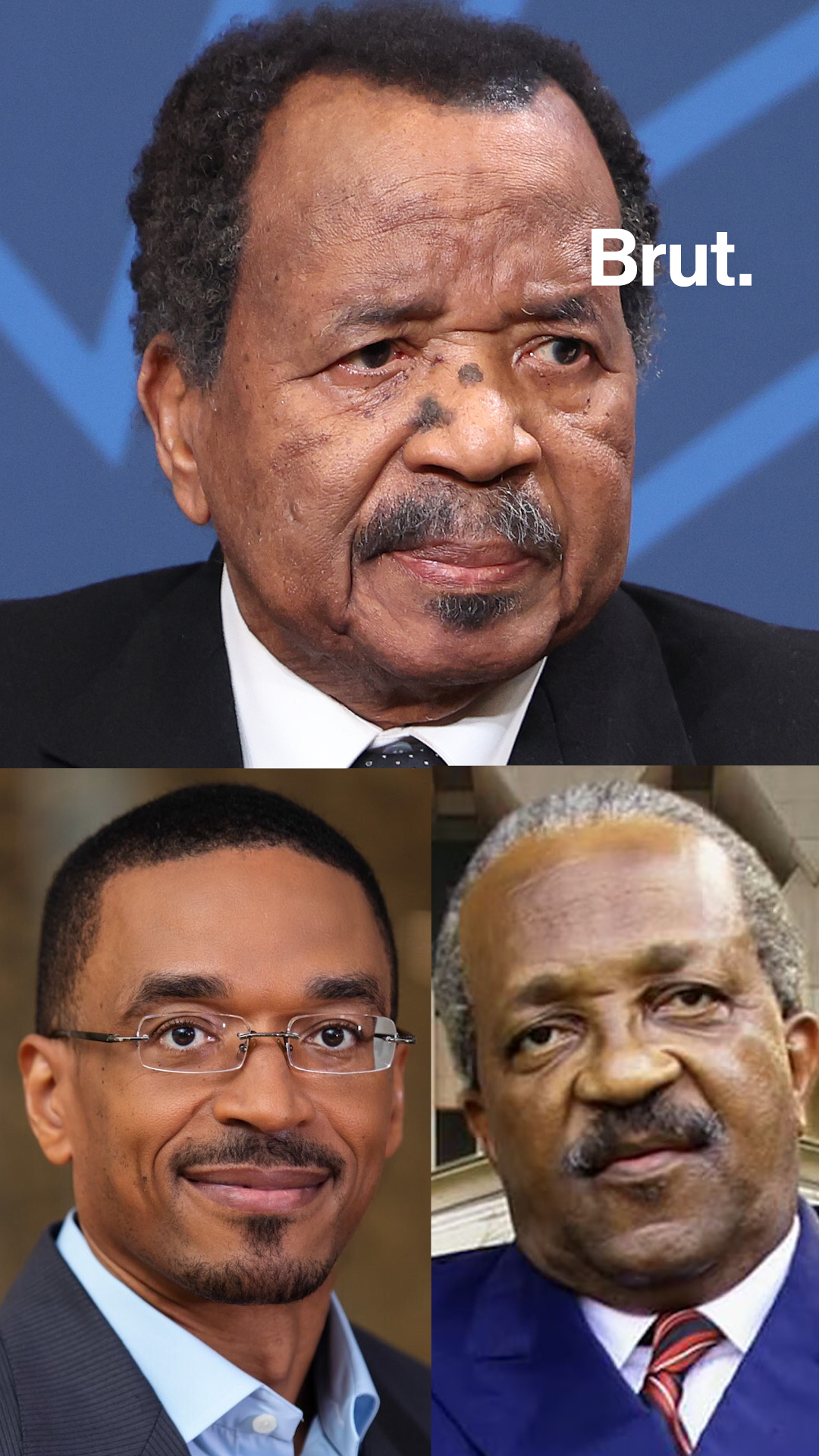
In a significant development in Cameroon, authorities have apprehended a man who publicly declared himself to be the eldest son of President Paul Biya. The arrest follows an extended period of investigation into allegations of identity fraud, defamation, and cybercrimes.
The individual, identified as Georges-Gilbert Baongla, had been on the run for several months after multiple complaints were filed against him. His claims of kinship with the head of state drew widespread attention both domestically and internationally, prompting authorities to take decisive legal action.
Legal allegations and background
Baongla faced serious accusations that included identity usurpation, defamation, and cybercriminal activities. Investigators allege that he used social media platforms and other digital channels to promote false narratives about his supposed familial ties to President Biya, which authorities consider a deliberate attempt to mislead the public and damage the reputation of state institutions.
The legal proceedings against him are now set to proceed in accordance with Cameroonian law, with prosecutors preparing to present evidence gathered during the investigation. If convicted, Baongla could face substantial penalties, including imprisonment and fines, depending on the severity of the charges.
Public reaction and implications
The arrest has sparked discussions across Cameroonian society, with citizens expressing mixed reactions. Some view the case as a necessary enforcement of the law against fraudulent claims, while others question the motives behind the prolonged delay in his capture. The incident has also reignited debates about the protection of public figures and the misuse of digital platforms to spread misinformation.
As the legal process unfolds, the case serves as a reminder of the consequences associated with identity fraud and the misuse of social media to manipulate public perception. Authorities have emphasized their commitment to upholding the rule of law and ensuring that all individuals, regardless of their claims, are held accountable for their actions.