

Libreville – As climate concerns reshape the world’s economic and environmental priorities, Gabon is launching a pioneering conservation strategy by pursuing Forest Stewardship Council (FSC) certification for all thirteen of its national parks.
This initiative is driven by a profound ambition: to transform the nation’s network of protected areas into an international benchmark for environmental governance. The goal is to successfully balance the preservation of biodiversity with sustainable economic growth and the acquisition of green funding.
Led by the Agence Nationale des Parcs Nationaux (ANPN), this move places the country at the center of a global shift that views natural ecosystems not just as heritage to be guarded, but as vital strategic assets in the fight against climate change and the evolution of modern economies.
Certification as a pillar of environmental integrity
The ANPN recently convened with representatives from FSC Afrique and specialized consultants to outline the certification roadmap. This essential meeting focused on aligning the project with international standards, clarifying the roles of various stakeholders, and establishing the operational steps for field implementation.
While FSC certification is traditionally linked to sustainable timber management, its application to protected areas sends a powerful message. It requires adherence to strict criteria regarding governance, resource management, transparency, the involvement of local communities, and the overall health of the ecosystem.
For Gabon, this process serves as a badge of international credibility. As investors and financial institutions increasingly prioritize environmental, social, and governance (ESG) factors, having certified natural spaces offers a significant strategic edge.
Utilizing biodiversity for sustainable development
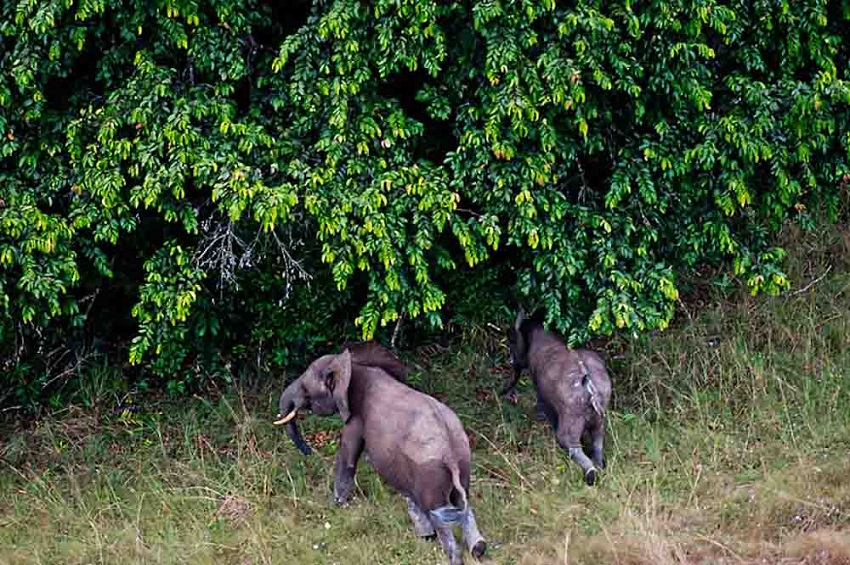
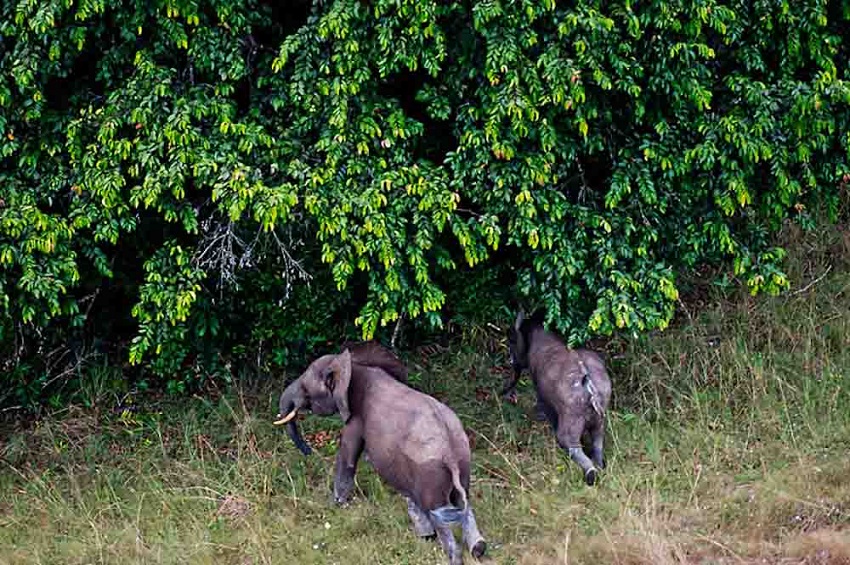
Gabon’s national park system encompasses approximately 11% of the country’s landmass. These areas are home to some of the highest concentrations of biodiversity in Africa, including forest elephants, gorillas, and thousands of plant and animal species, many of which are found nowhere else on Earth.
The proposed certification is not merely about shielding these natural treasures; it is about enhancing their economic value within a sustainable framework. Discussions with FSC Afrique have highlighted monitoring systems, evaluation tools for protected zones, and the vast potential of ecosystem services.
This modern environmental concept recognizes that forests and protected regions generate tangible economic benefits. These include carbon sequestration, climate regulation, water resource protection, and the expansion of high-end ecotourism. In this light, certification acts as a gateway to new international funding mechanisms designed to support robust conservation efforts.
A leader in regional conservation
Beyond its borders, Gabon’s project carries a regional significance. By committing all thirteen of its national parks to this process, the country is positioning itself as an African pioneer in the certification of protected areas.
This direction aligns with the efforts of many nations seeking to modernize environmental management to meet international obligations under the Paris Agreement and global biodiversity targets. The strategic collaboration between the ANPN and FSC also marks the introduction of a new management paradigm for Gabonese protected areas, aimed at increasing efficiency and attracting international partners.
In an era where natural resources are a key geopolitical factor, Gabon recognizes that its biodiversity is a primary asset. By adopting the most rigorous international standards for its parks, the nation is establishing the foundation for an environmental diplomacy where conservation serves as a catalyst for influence, investment, and long-term development.