

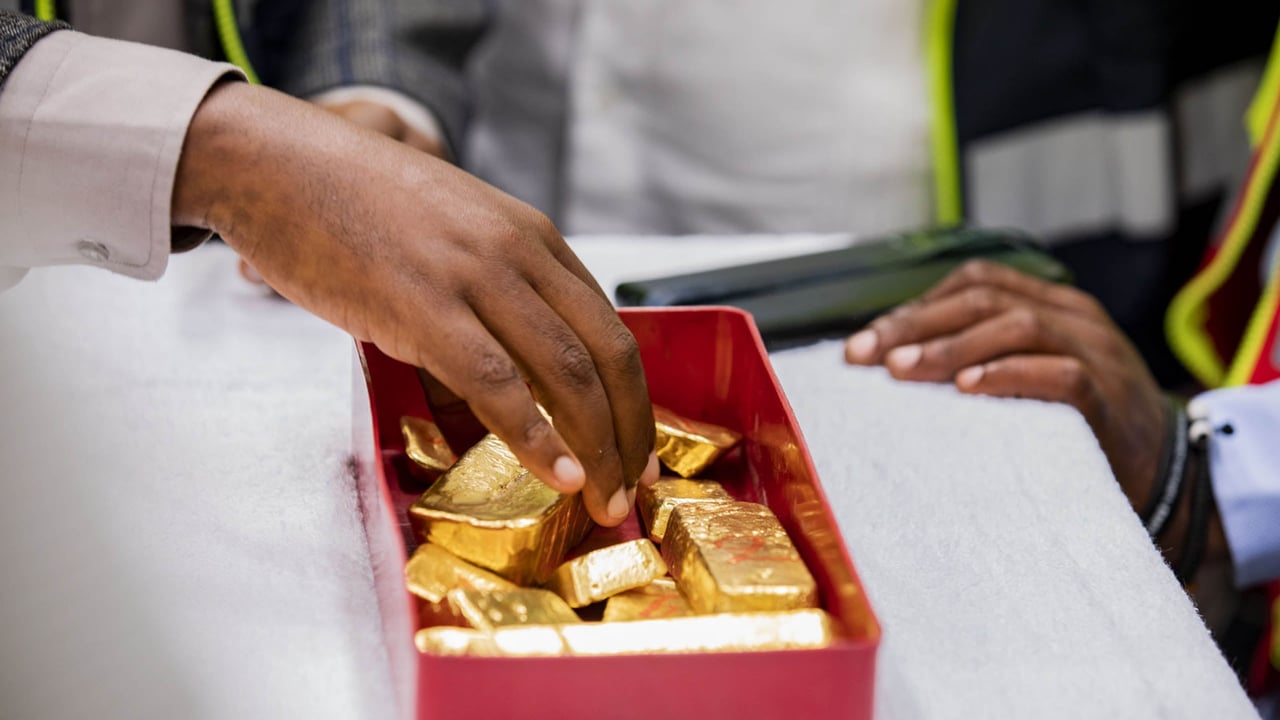
The United States Department of the Treasury has intensified its focus on the Gasabo Gold refinery in Rwanda, signaling a major crackdown on the financial networks linked to the ongoing instability in the Democratic Republic of Congo (DRC). This move places the facility at the center of a geopolitical storm involving regional security and the lucrative trade of precious metals.

Scrutiny of the gold supply chain
The investigation centers on allegations that Gasabo Gold has been processing minerals sourced from conflict-prone areas in the eastern DRC. These resources are reportedly used to fund armed groups, specifically the AFC/M23 movement, which continues to challenge the authority of the Kinshasa government. By targeting the refinery, Washington aims to disrupt the economic lifeline that sustains these rebellions.
The diplomatic tension between Rwanda and the DRC has reached a boiling point, with President Félix Tshisekedi frequently accusing his counterpart, Paul Kagame, of supporting insurgencies on Congolese soil. The inclusion of Gasabo Gold in the US Treasury‘s crosshairs adds a layer of economic pressure to these already strained relations, as the international community seeks to ensure that gold exported from the Great Lakes region is ethically sourced.
Impact of US policy on regional trade
Under the leadership of Donald Trump, the United States has maintained a firm stance on mineral transparency in Africa. The focus on Gasabo Gold highlights a broader strategy to hold private entities accountable for their role in regional conflicts. For the DRC, this action is seen as a necessary step toward stabilizing its eastern provinces and reclaiming control over its natural wealth.
The refinery now faces significant hurdles in maintaining its international partnerships, as the threat of sanctions looms. This development underscores the growing risks for companies operating in the Great Lakes mineral sector, where the line between legitimate trade and conflict financing is increasingly under the microscope of global financial regulators.