
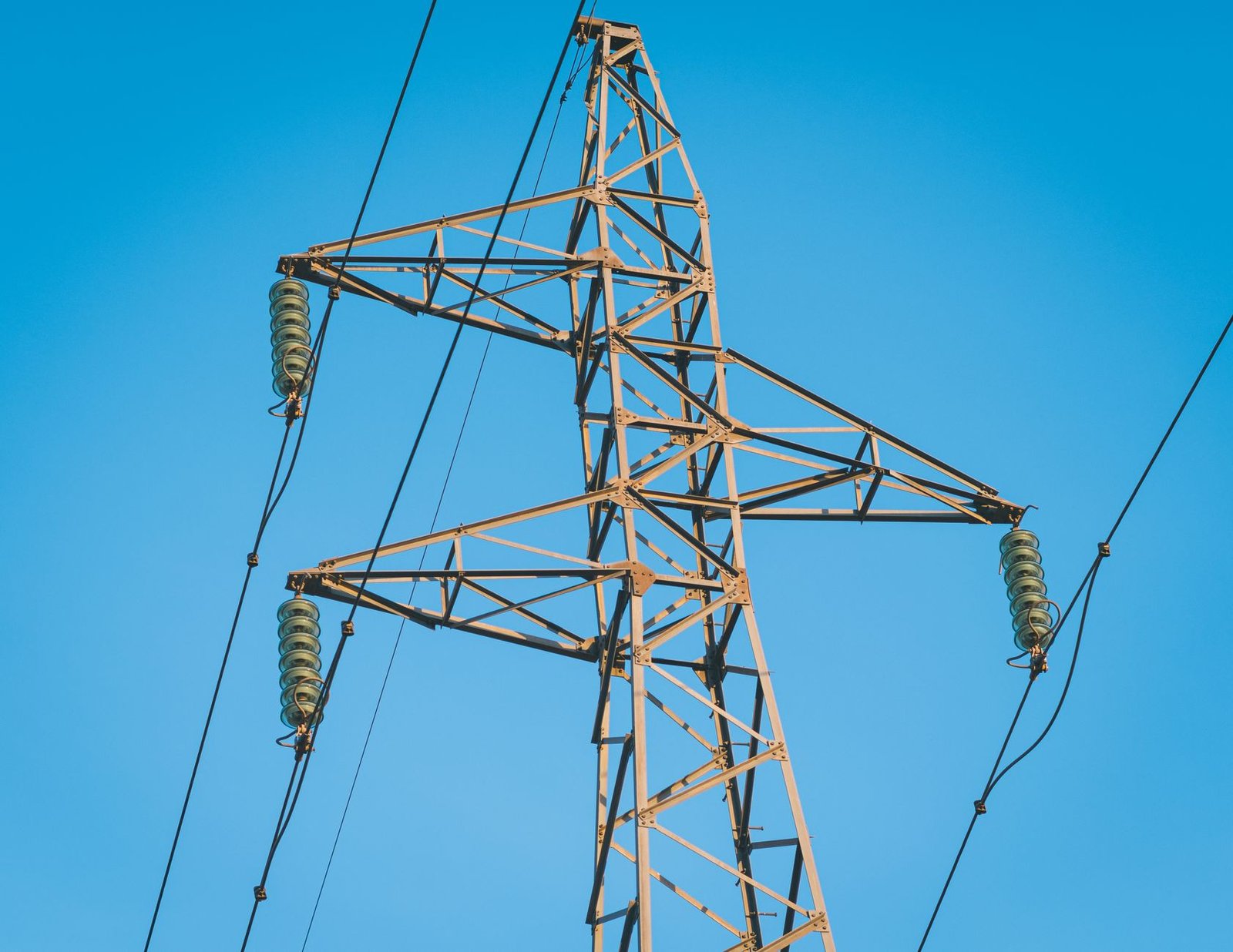
The long-standing chapter of the SEEG has officially closed. Following a recent cabinet meeting in Libreville, the Gabonese government confirmed the dissolution of the Société d’énergie et d’eau du Gabon, which had served as the country’s primary utility provider for more than forty years. The transition authorities have opted to replace the struggling giant with two specialized entities, each focused on a specific sector.
The collapse of a national utility pillar
For decades, the SEEG was the face of public service in Gabon. After the departure of a major French industrial group in 2018, the state took control, but the transition failed to deliver stability. Financial deficits and technical failures led to chronic water shortages and frequent power outages in major urban centers like Libreville, Port-Gentil, and Franceville. These disruptions have hindered economic activity and frustrated citizens for years. Following the political shift in August 2023, the current administration prioritized a total overhaul of the energy and water sectors as part of the national development strategy.
The official diagnosis of the utility’s failure is blunt: aging infrastructure, a lack of consistent investment, and a lack of transparency in management. By separating the production, transport, and distribution of resources, the government aims to clarify accountability and attract specialized global investors ready to modernize the system and inject necessary capital into each branch.
Splitting water and power for better efficiency
The core of this reform is the creation of one company dedicated strictly to electricity and another focused solely on potable water. This structural split is a proven model in the sub-region, allowing for more tailored economic strategies for each industry. While electricity requires massive production facilities and high-voltage networks, the water sector demands localized management of treatment plants and specific rural distribution challenges.
This new institutional framework is also designed to meet the requirements of international financial institutions. Organizations such as the World Bank and the African Development Bank have long advocated for structural clarity before committing long-term funding. The International Finance Corporation has previously expressed interest in Gabonese utility projects, contingent upon a modernized legal and operational framework.
Navigating the social and industrial transition
Despite the strategic logic, the execution of this plan presents significant hurdles. The future of approximately 2,000 SEEG employees remains a top concern for labor unions, who are demanding job security and the preservation of social benefits. Additionally, the government must manage the massive accumulated debts of the former entity while ensuring that billing for consumers remains uninterrupted during the transition.
Strategically, this move aligns with President Brice Clotaire Oligui Nguema’s vision for national economic sovereignty. Gabon aims to reclaim control over its vital assets while leveraging its massive hydroelectric potential. Projects like the Grand Poubara and Kinguélé Aval dams represent underutilized resources that could eventually power the nation’s industrial growth. While the exact timeline for the rollout of the two new companies has not been finalized, the government expects a phased implementation over the coming months to ensure operational continuity for households and businesses alike.