

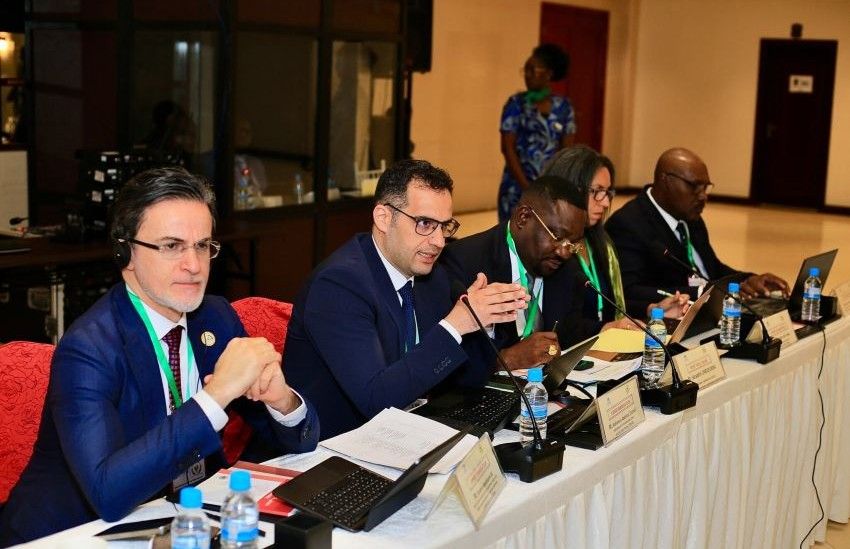
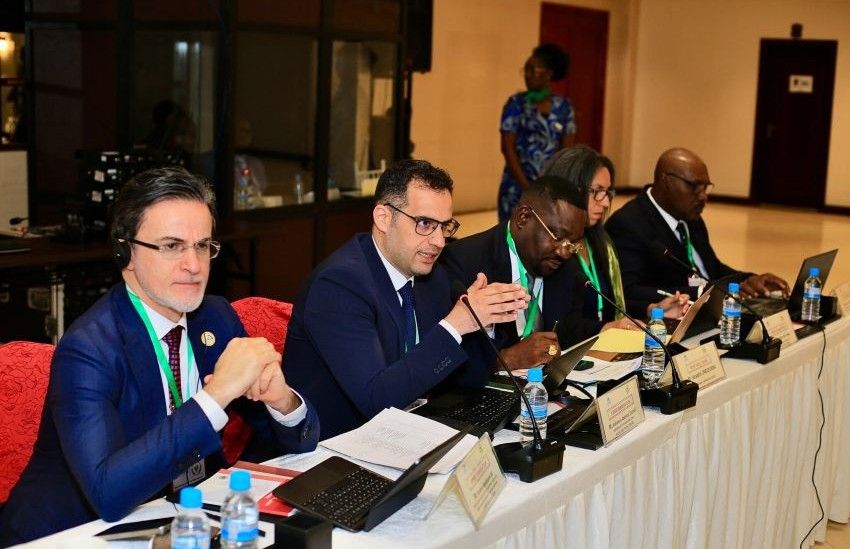
Libreville — As transparency becomes a non-negotiable benchmark for international credibility, Gabon finds itself at a pivotal crossroads. Since late June, the capital has been hosting a specialized delegation tasked with reviewing the nation’s adherence to the United Nations Convention against Corruption (UNCAC). This technical mission carries significant weight for the country’s political and economic standing.
A rigorous review of national integrity
Over several days, specialists from the United Nations Office on Drugs and Crime, alongside experts from Chad and Libya, have been dissecting the effectiveness of Gabon’s prevention mechanisms, financial oversight, and asset recovery protocols. The objective is to determine the state’s actual capacity to turn international commitments into tangible results on the ground.
Séraphin Ondoumba, a member of the National Commission Against Corruption and Illicit Enrichment (CNLCEI), emphasized that this exercise is a vital platform to showcase progress while honestly addressing remaining gaps. The focus is not merely on legislative texts but on the state’s ability to foster a genuine culture of integrity within public management and guarantee the rigorous handling of national resources.
Governance as a catalyst for economic growth
In today’s global market, the quality of a nation’s governance is as attractive to investors as its natural resources. This evaluation arrives as Gabon intensifies its efforts to align with international standards of accountability. The mission specifically examines tools for financial traceability and judicial cooperation across borders, as these factors now dictate a country’s economic appeal.
The reforms spearheaded by President Brice Clotaire Oligui Nguema are central to this transformation. By prioritizing the rationalization of public spending and strengthening administrative audits, the executive branch aims to restore trust. Vice-President Hermann Immongault noted that this international review is part of a broader strategy to ensure transparency and administrative compliance across all sectors.
Digitalization and institutional strength
A key component of this shift is the gradual digitalization of financial and administrative processes. This technological modernization is designed to eliminate opacity, secure state revenue, and provide clear tracking of all financial dealings. The evaluation also looks closely at the internal control systems within various administrations and the impact of public awareness campaigns aimed at curbing illicit enrichment.
Ultimately, Gabon’s institutional credibility is on the line. Beyond the final report, the success of these mechanisms will determine the country’s ability to mobilize development funding and enhance its diplomatic influence. Good governance is no longer just a moral choice; it is the strategic infrastructure required for a modern, high-performing state. For Libreville, this week represents a major indicator of its readiness to build a more transparent and globally respected administration.