
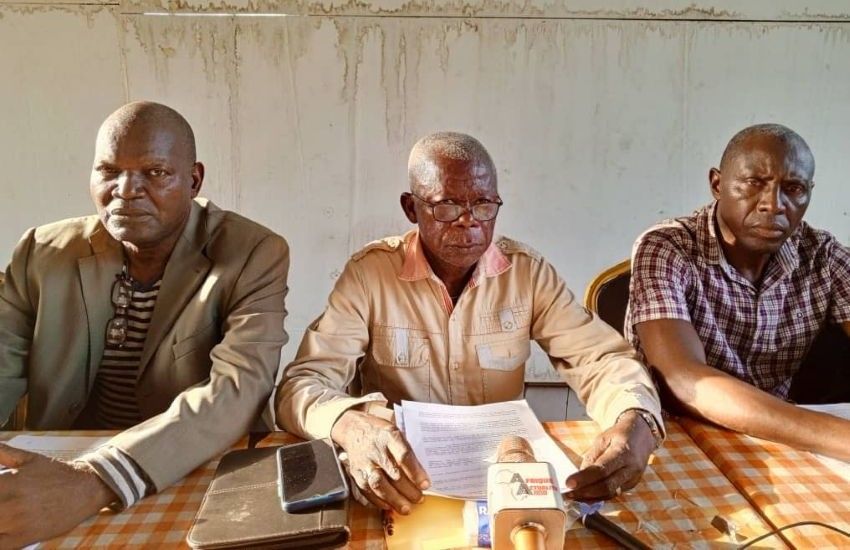
Libreville — For decades, they have been the backbone of the administration, the architects of national institutions, and the mentors who passed their wisdom to the next generation. Despite their vital role in ensuring the state’s continuity, retirees and senior citizens have frequently been sidelined in public policy, receiving more praise in speeches than actual priority in national agendas.
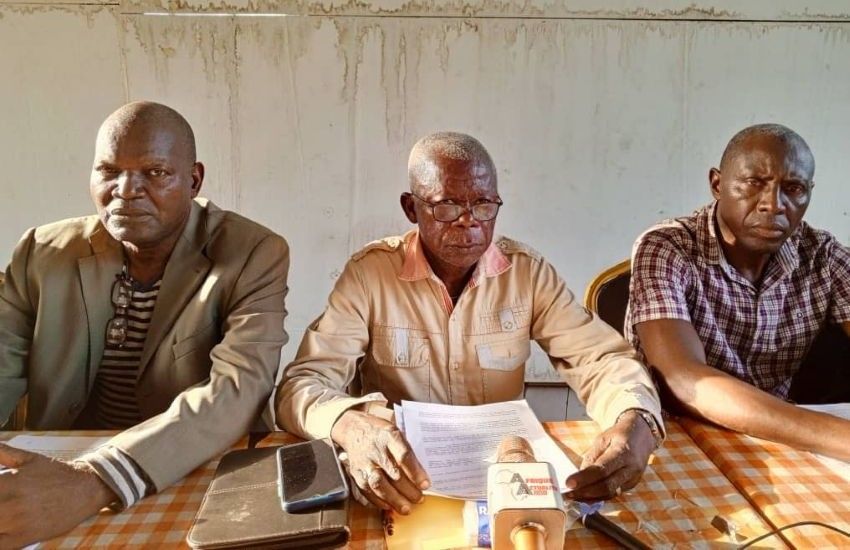
In a significant move toward social justice, Gabon has officially established a National Day of the Retiree and the Elderly. Set for October 1st each year, this decision integrates the recognition of elders into the republic’s formal calendar. This initiative is more than a symbolic gesture; it reflects a deep-seated vision for social harmony and the preservation of intergenerational ties.
Restoring national memory
Adopted during the Council of Ministers on June 25, 2026, the decree formalizes a day dedicated to citizens whose contributions to national progress remain immense. This measure aligns with a global trend where demographic aging is becoming a strategic priority, forcing governments to re-evaluate their approach to experience, solidarity, and social safety nets.
By invoking Article 95 of the Constitution, the government has created an annual platform to celebrate those who served in the civil service, private sector, and local communities. Choosing October 1st is a deliberate act, as it mirrors the International Day of Older Persons established by the United Nations. This allows Gabon to join a global movement focused on valuing the “third age.”
In an era defined by rapid technological change and immediate results, retirees represent an invaluable human capital. They are the guardians of institutional memory and social stability. Their life paths offer a strategic resource for younger generations navigating a volatile economic and cultural landscape.
Addressing strategic social challenges
The government’s initiative also tackles the demographic realities facing modern societies. Population aging is no longer exclusive to developed nations; it is increasingly a central concern for African states. By formalizing this day, authorities are highlighting the specific hurdles the elderly face, including healthcare access, living conditions, social isolation, and mobility.
Planned activities will bring together public administrations, local authorities, and community organizations to foster dialogue and awareness. The goal is to elevate the respect shown to elders while encouraging the transfer of knowledge and values between the young and the old.
This approach is vital in a context where rapid modernization can sometimes weaken traditional family support systems. In Gabon, as in much of Africa, family solidarity has historically been a pillar of society. The state is now stepping in as a crucial partner to maintain this social equilibrium.
A human-centric development model
Through this landmark decision, Gabon is signaling a philosophy of development that goes beyond infrastructure and economic growth figures. True national modernization is also measured by how a country protects its most vulnerable and honors those who spent their lives in service to the collective good.
The creation of this national day demonstrates a clear political will to place people at the heart of public action. It acknowledges that experience is a national asset, just as valuable as economic or natural resources. The inaugural celebration on October 1st, 2026, will be more than a commemoration; it will launch a new dialogue on the role of seniors in contemporary society. A nation that respects its history strengthens its unity, and a state that honors its elders builds a more stable future.