
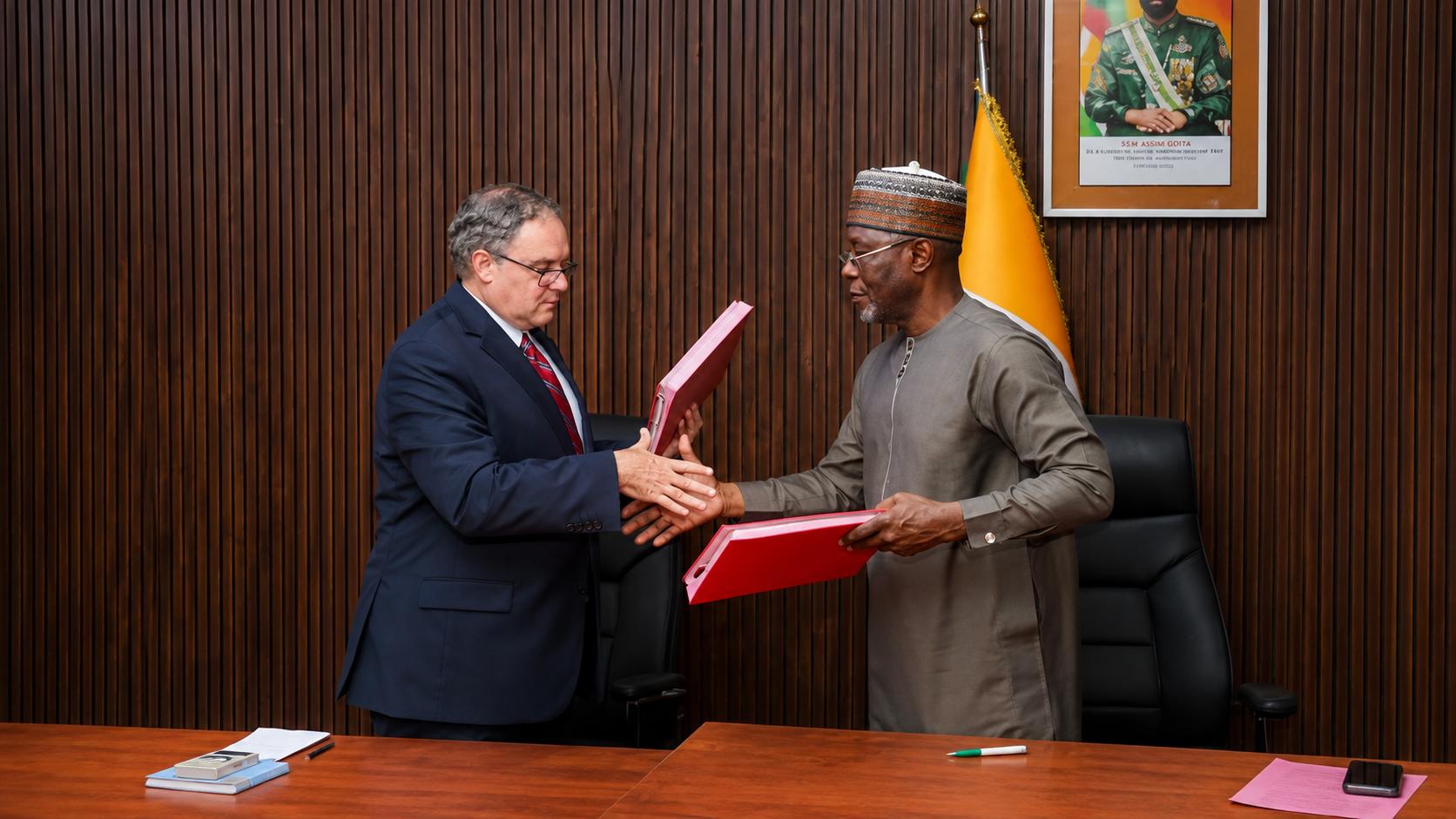
The Nigerien government has recently signed a $1.9 billion agreement with Zimar Group, a Canadian entity with no verifiable track record, to construct a massive oil refining and petrochemical complex in Dosso. This move, framed as a bold step toward energy independence, has raised serious concerns about fiscal responsibility and long-term economic stability.
Behind the nationalist rhetoric
At first glance, the promise of a 100,000-barrel-per-day refinery sounds like a game-changer for a nation eager to capitalize on its natural resources. Yet, beneath the patriotic slogans lies a troubling lack of due diligence. Public records and financial databases reveal virtually no evidence of Zimar Group’s expertise in large-scale oil and petrochemical projects. The company’s financial structure remains shrouded in secrecy, and no prior achievements in engineering or infrastructure of this magnitude are documented.
Committing nearly half of Niger’s GDP to an untested partner is not just risky—it’s a reckless gamble. The absence of technical guarantees and financial transparency turns what should be a transformative project into a potential financial black hole, risking incomplete construction and abandoned infrastructure.
Empty promises vs. operational reality
The oil sector demands more than political posturing; it requires proven financial strength, cutting-edge technology, and trusted industrial partnerships. The announced $1.9 billion investment for a cutting-edge refinery and petrochemical unit lacks critical details about funding sources and sustainability. Without verifiable industrial precedents from Zimar Group, this initiative risks becoming a hollow shell—detached from regional logistics and economic realities.
By bypassing traditional financing channels and established industry players in favor of opaque arrangements, Niger risks crippling its energy sector before it even begins. The stated goal of reducing reliance on imports is laudable, but the chosen path resembles a leap into the unknown rather than a calculated strategy.
The need for immediate transparency
The people of Niger deserve better than to bear the cost of short-term political gains. The nation’s oil wealth belongs to future generations and must not be gambled away in unsecured financial ventures. Authorities must disclose the full terms of the Zimar Group contract, validate the company’s financial capacity, and release comprehensive feasibility studies and technical assessments.
Without these fundamental safeguards, the $1.9 billion project will remain little more than another mirage in West Africa’s troubled history of natural resource mismanagement.