
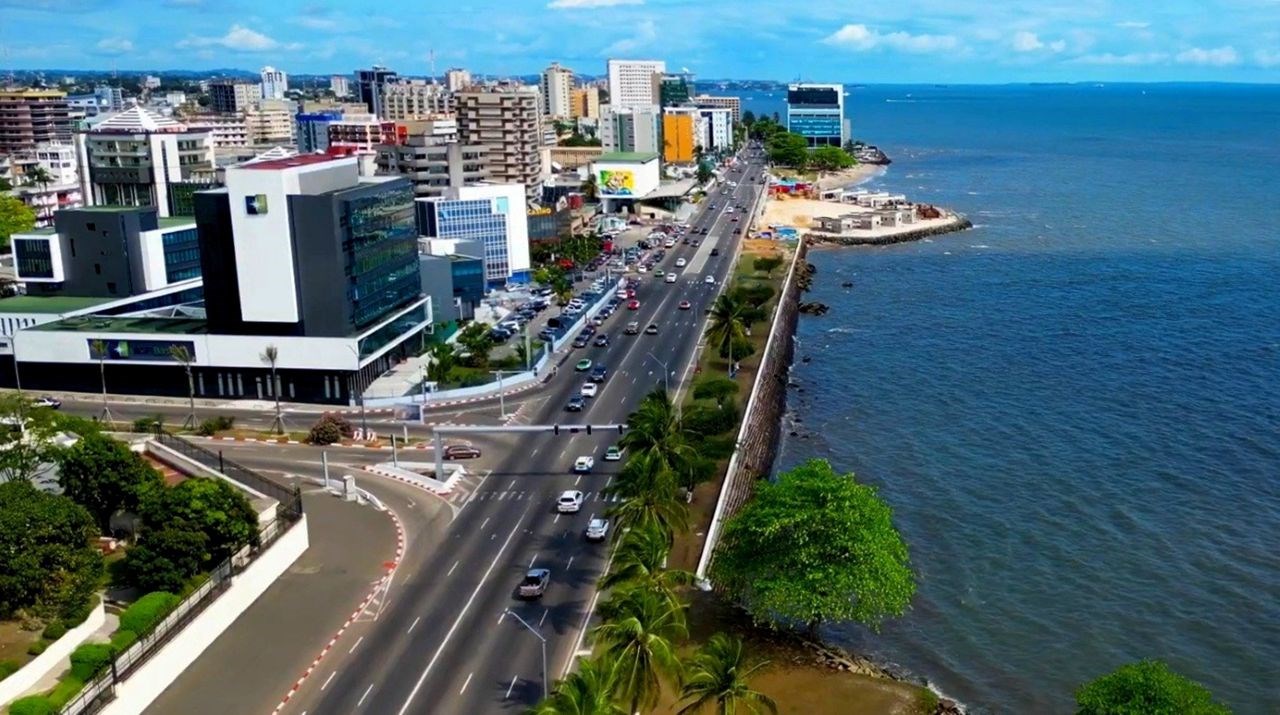

Despite a turbulent international economic landscape, Gabon has demonstrated remarkable financial stability by posting a trade surplus of 6.90 billion USD for the year 2025. This performance comes at a time when global markets faced significant headwinds, including fluctuating oil prices and logistical bottlenecks in maritime shipping routes.
The nation’s trade balance was bolstered by robust export activity, which reached 10.73 billion USD, while imports remained controlled at 3.83 billion USD. This creates a powerful export-to-import ratio of more than 2.8 to 1, positioning Gabon as a leader within the CEMAC zone. While neighboring economies struggled with rising freight costs and expensive raw materials, the country managed to maintain a solid external position.
This achievement is particularly noteworthy given that global merchandise trade grew by only 4.6% in 2025, with projections suggesting a further slowdown to 1.4% in 2026. For international investors and institutional partners, these figures serve as a clear indicator of the country’s structural economic strength in a cooling global market.
However, challenges remain regarding the management of these gains. Gabon currently holds approximately 1 billion USD in foreign exchange reserves, providing about 2.1 months of import coverage. While this is a significant foundation, it remains below the three-month threshold typically suggested by the IMF. The primary objective for authorities in Libreville now involves effectively converting this structural trade surplus into more substantial consolidated reserves to ensure long-term macroeconomic stability.