
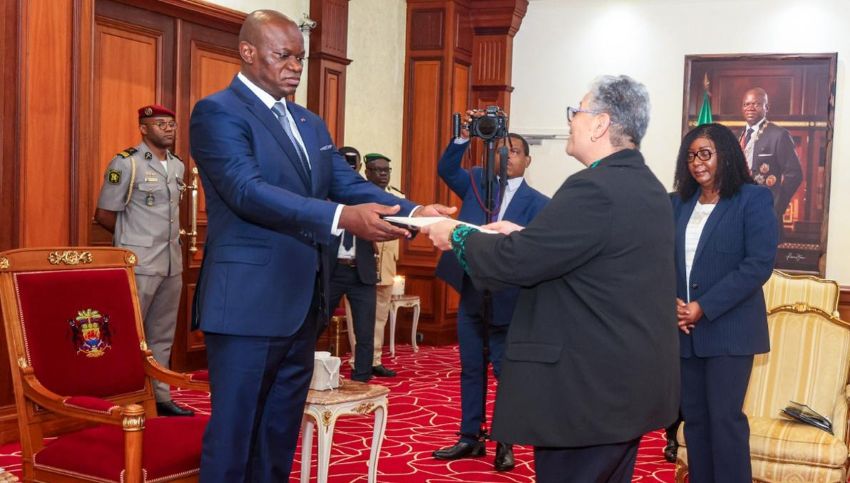
Libreville – Diplomacy is more than just a series of high-level summits or official visits. It is fundamentally about the strategic signals nations send when they choose to establish or revitalize their presence in a country. This reality was on full display as President Brice Clotaire Oligui Nguema recently accepted the letters of credence from five new ambassadors to the Republic of Gabon.
This ceremony was far more than a simple matter of protocol. It serves as a clear indicator that Gabon is reclaiming its central role in the diplomatic, economic, and strategic landscape of the continent. In an era of intense global competition for resources and influence, the simultaneous interest from the Vatican, Chad, Australia, Iran, and Djibouti highlights how the country’s international standing has evolved since the political transition began in August 2023.
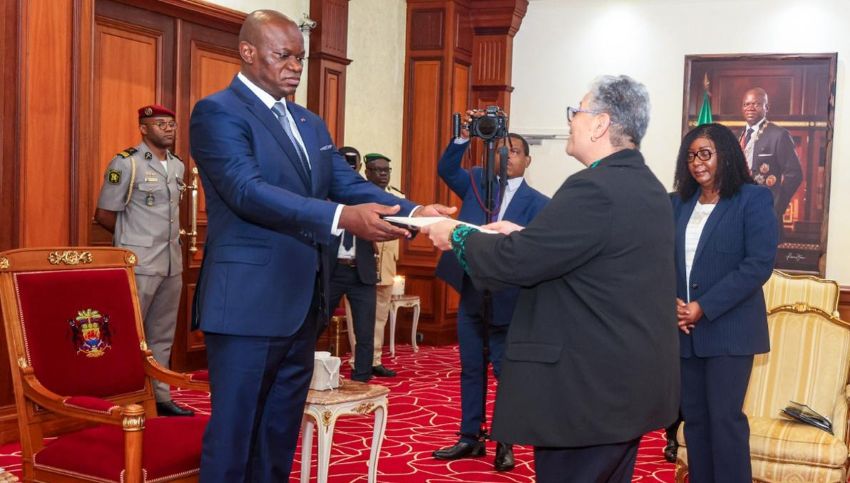
Five envoys with strategic missions
The group of diplomats received in Libreville represents various pillars of Gabon‘s multifaceted foreign policy:
- The Vatican: Monsignor Relwende Kisito Ouédraogo, the Apostolic Nuncio based in Brazzaville, continues a long-standing partnership focused on social peace, education, and humanitarian cooperation.
- Chad: Ambassador Fadoul Kittir Zakaria, arriving from Malabo, reinforces the deep-rooted connections between Central African states as they navigate shared security and regional integration challenges.
- Australia: High Commissioner Leilani Bin-Juda, based in Abuja, brings a heavy economic focus. Her presence coincides with the Fortescue group’s involvement in the Belinga project. This massive mining and logistics initiative is one of Africa‘s most ambitious, promising to revolutionize local infrastructure and job creation.
- Iran: The appointment of Seyed Gholamreza Mirmohammad Meigoni signals a desire to diversify partnerships. New opportunities in technology, industry, and healthcare are expected to emerge from this relationship.
- Djibouti: Ambassador Mohamed Bourhan Ali represents a nation renowned for its port and maritime expertise. Libreville aims to leverage this knowledge to accelerate its own logistical transformation.
Economic diplomacy as a growth engine
These new accreditations reflect a fundamental shift in how Gabon approaches the world. Moving beyond traditional protocol, the current administration is positioning international relations as a direct tool for economic advancement. Major projects, such as the Belinga corridor and industrial value-addition for natural resources, have made the country increasingly attractive to foreign investors.
As competition for capital among African nations intensifies, Gabon‘s ability to draw interest from such diverse global players is a testament to its changing reputation. The country is no longer seen merely as a source of raw materials but as a burgeoning hub for industrialization and investment.
A benchmark for international credibility
While the arrival of these ambassadors is a positive sign, it also serves as a test of the nation’s credibility. The interest from these partners is built on the stability and institutional reforms seen in recent months. However, this trust must be maintained through tangible results.
History suggests that global investors prioritize concrete outcomes over rhetoric. The success of this diplomatic push will ultimately be measured by the completion of infrastructure projects, the creation of sustainable employment, and real improvements in the lives of the population. Gabon is sending a clear message: it is ready to be a major regional player in international cooperation and industrial growth.