
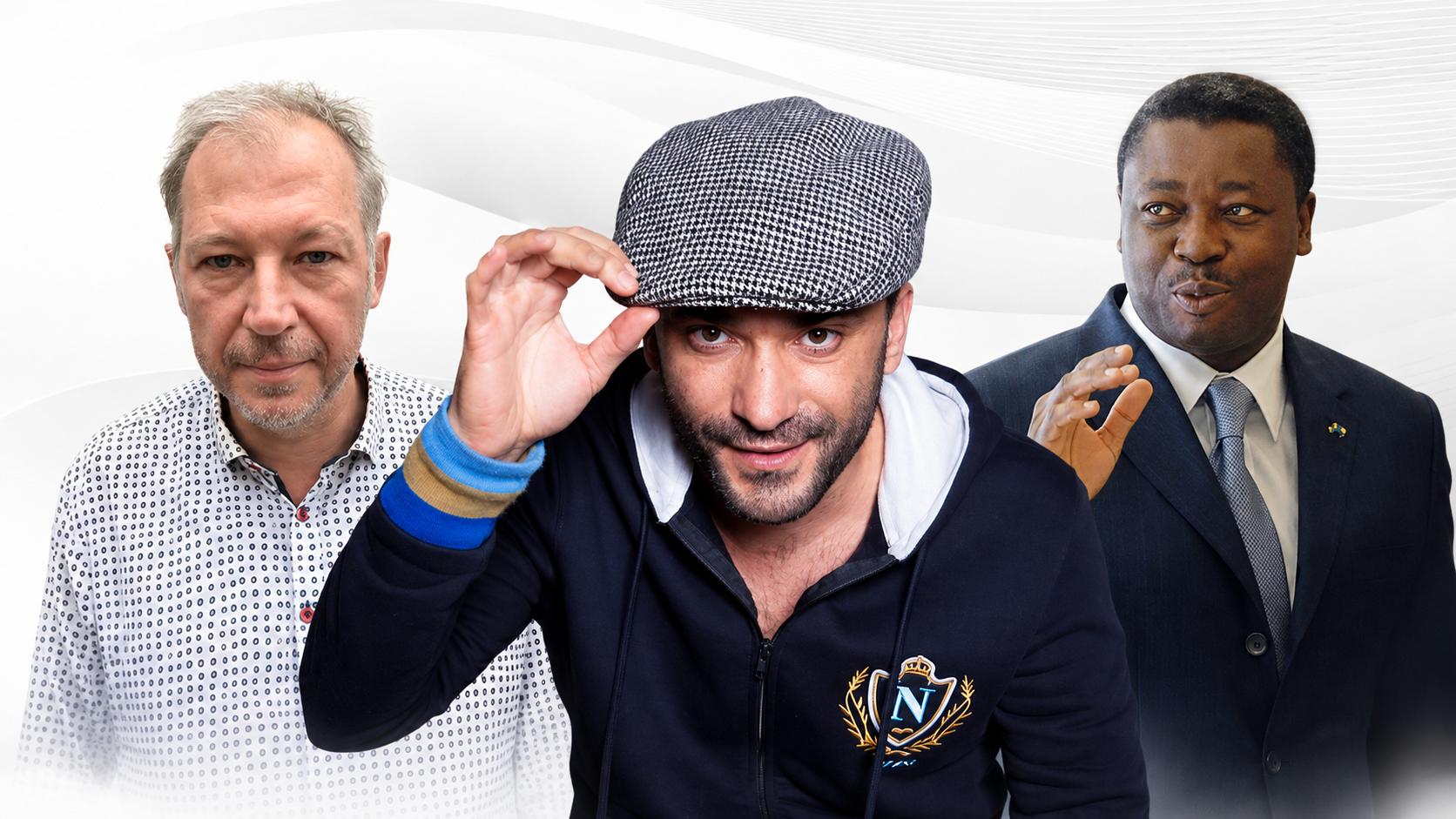
The mid-August 2026 detention and formal incarceration on Monday, August 17, of two French filmmakers and journalists in Togo signals a fresh surge in the country’s tightening security and diplomatic tensions. Sébastien Perez Pezzani and Gaël Mocaër were taken into custody while documenting a film project in the northern region of the nation, only to face charges and a detention order—an episode that has swiftly evolved from a routine administrative dispute into a high-stakes political confrontation.
Administrative pretexts masking political control
The Togolese government has justified the filmmakers’ imprisonment by citing breaches of accreditation procedures and visa conditions. Yet beneath this bureaucratic veneer lies a deeper strategy of information suppression:
- Restricted access zones: Northern Togo, frequently targeted by armed factions from the Sahel, remains under a stringent state of emergency. Authorities enforce tight oversight of media activity, banning any unsupervised reporting in the area.
- Echoes of past repression: The move mirrors the abrupt detention and expulsion of French journalist Thomas Dietrich in April 2024, underscoring Lomé’s deep-seated suspicion of foreign press deemed threatening.
A strategic bargaining chip in diplomatic tensions
Beyond legal formalities, observers suggest the arrest may serve as leverage in a broader standoff between Togo and France:
- Pressure on exiled opposition: The government of President Faure Gnassingbé appears to be wielding the filmmakers’ detention to extract concessions from Paris, particularly concerning Ferdinand Ayité, a Togolese investigative journalist in exile.
- Media hostage diplomacy: By detaining foreign journalists, Lomé seeks to shift the diplomatic balance in its favor, despite the risk of further tarnishing its international reputation.
Press freedom under siege in Togo
By targeting international reporters after systematically silencing domestic independent media, the Togolese regime is tightening its grip on the national narrative. As diplomatic backchannels scramble to secure the filmmakers’ release and return, this incident lays bare a leadership willing to weaponize incarceration in political negotiations.