
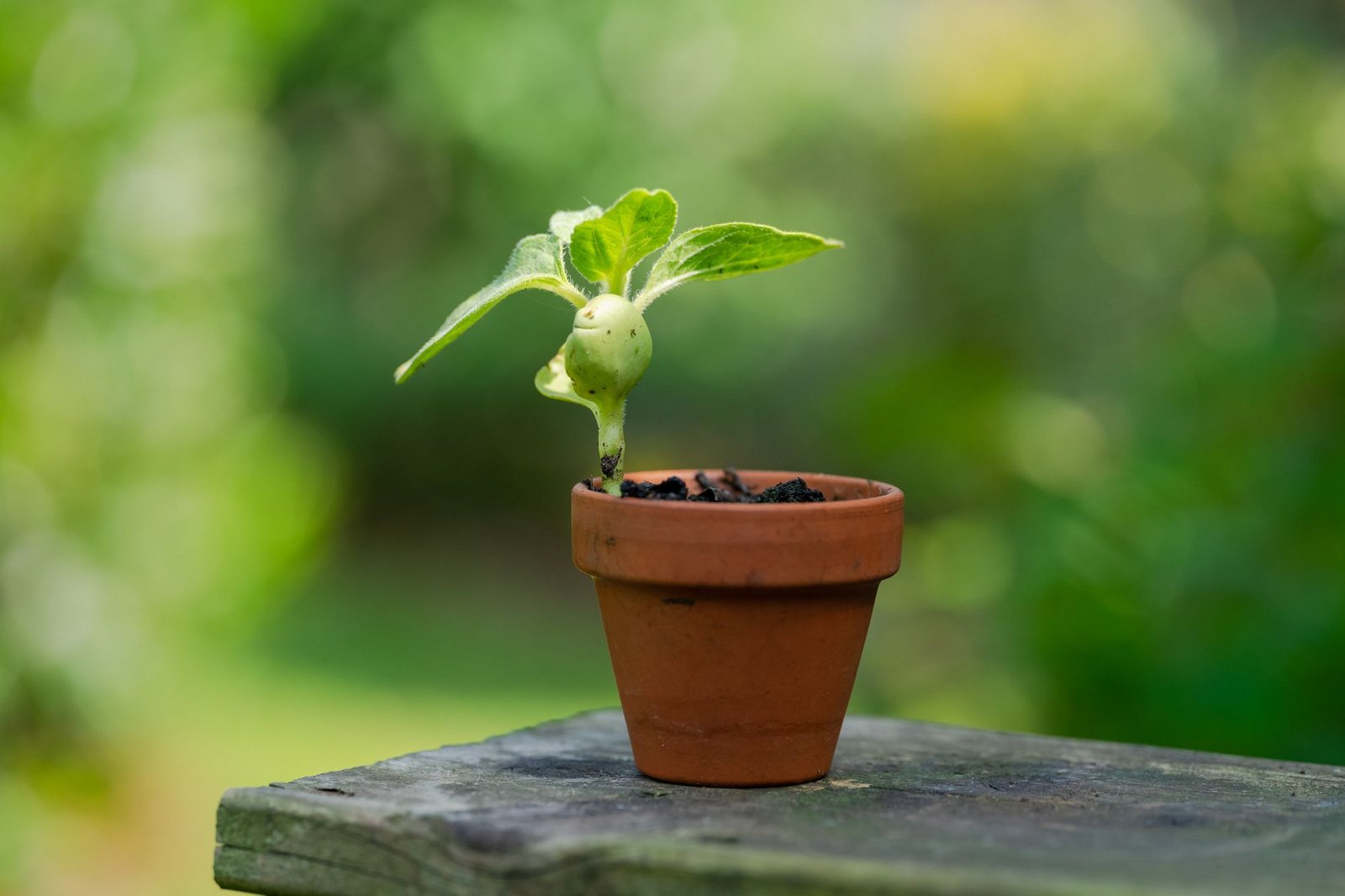
The Gabonese government has taken decisive action to regulate the exploitation and trade of iboga, a sacred Central African plant celebrated for its therapeutic and psychotropic properties. Libreville has implemented stringent authorization requirements, closing loopholes that previously allowed unchecked harvesting of this emblematic resource. The move comes as global demand for iboga and its derivatives continues to surge, particularly in medical and wellness sectors.
Iboga: a national asset now under state supervision
Tabernanthe iboga, a shrub native to Gabon’s equatorial forests, holds deep cultural significance as the cornerstone of the bwiti initiation ritual. Beyond its spiritual role, the plant has gained international attention for its potential in treating opioid and cocaine addictions. This dual value—cultural and pharmacological—has attracted foreign operators, often leading to unsustainable wild harvesting practices.
To curb exploitation, the Gabonese authorities now mandate prior administrative approval for all iboga-related activities, including harvesting, processing, distribution, and export. This regulatory framework builds on earlier conservation measures, notably the plant’s classification as a national cultural heritage in 2000. Violations of these rules will result in penalties, ensuring compliance with the new system.
Combating biopiracy through stricter regulations
The government’s decision addresses long-standing concerns about foreign entities profiting from Gabon’s iboga resources without benefiting local communities or the state. For years, European and North American clinics have marketed ibogaine-based treatments—derived from iboga roots—at premium prices, sourcing raw materials from Gabon’s forests. This unsustainable extraction threatens the plant’s survival and undermines the country’s ecological sovereignty.
By tightening legal controls, Gabon aims to track supply chains, enforce sustainable quotas, and establish benefit-sharing agreements aligned with the Nagoya Protocol, to which Gabon is a signatory. This approach mirrors strategies adopted by other Congo Basin nations seeking to protect their genetic resources. However, enforcement remains a challenge in Gabon’s vast and often inaccessible rainforests, where illegal trade in non-timber forest products persists.
Balancing tradition and industry in a structured iboga sector
While the new regulations introduce stricter oversight, they also pave the way for a formalized national iboga industry. Traditional healers, village cooperatives, and industrial players must now navigate a clear administrative process. The stakes are high: preserving wild iboga populations—known for their slow regeneration—while harnessing the plant’s economic potential in global pharmaceutical markets.
Key operational questions remain unresolved. What criteria will determine who receives authorization? Which ministry will oversee permit applications? How will traditional knowledge holders, central to the bwiti tradition, be integrated into the system? The success of this framework hinges on transparent procedures and the government’s ability to balance economic interests with conservation imperatives.
For international investors and partners, the message is unequivocal: iboga is no longer a freely accessible resource. Gabon, which has pioneered initiatives like carbon credits and forest certification, has added another layer to its ecological sovereignty strategy. The true test of this reform will lie in the resources Gabon dedicates to its enforcement—both in terms of human capacity and technical infrastructure.