
Gabon’s silent revolution: why human talent is the new economic backbone
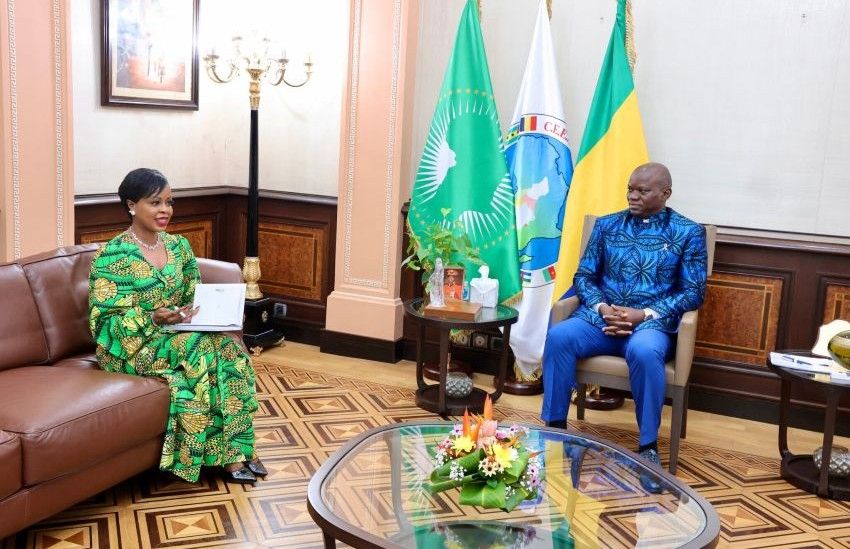
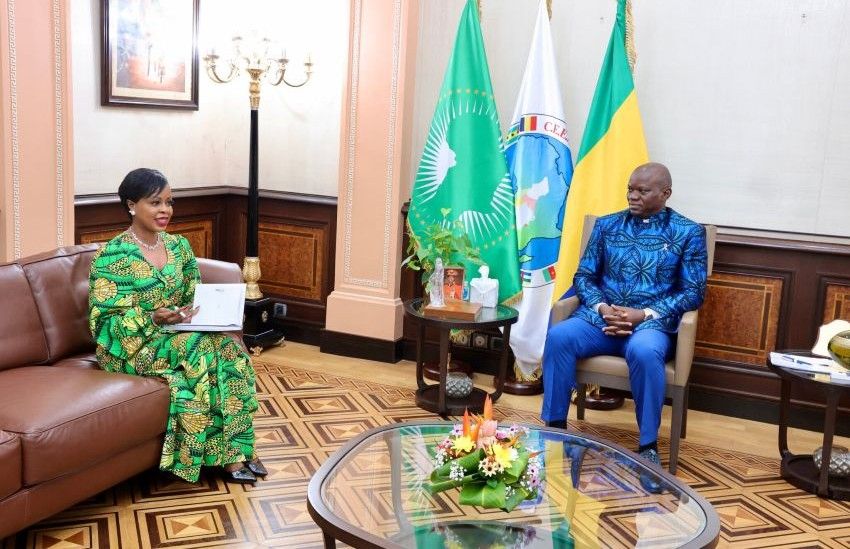
Libreville, October 4, 2026 — Gabon is quietly shifting its economic benchmarking from traditional pillars like oil, roads, and industrial equipment to a less visible but equally critical resource: its people. On October 2, 2026, President Brice Clotaire Oligui Nguema welcomed Minister of Commerce, SMEs, and PMEs Zenaba Gninga Chaning, who unveiled several initiatives focusing on skills training, youth employment, and professional support. The first tangible outcome? A cohort of 400 young professionals will be trained in Libreville before expanding nationwide.
The timing is no coincidence. As Gabon pushes to diversify its economy and elevate domestic businesses as drivers of value creation, this strategy transcends mere employment schemes. It forces a deeper reckoning: Can an economy truly modernize without a skilled workforce at its core?
From classroom to marketplace: Training that mirrors reality
Gabon’s pivot toward technical and vocational training reflects a deliberate choice to align education with real-world market demands. These 400 trainees aren’t just earning certifications—they’re gaining skills designed to convert directly into employment, income-generating ventures, or even new enterprises.
This marks a departure from conventional education models, where diplomas often fail to translate into economic participation. Instead, Gabon’s approach emphasizes a seamless continuum: skill acquisition, employment integration, revenue generation, and sustainable wealth creation.
The program isn’t stopping at certification. Beyond classroom instruction, participants receive technical mentorship, financial access support, and project tracking. The rationale is clear: across Africa, the biggest hurdle isn’t a lack of ideas or talent—it’s the gap between qualification and economic viability. Earlier in August, the government had already laid the groundwork with a three-pronged system of ‘train, mentor, and finance,’ including loan guarantees and seed funding for youth-led startups.
The untold story behind economic sovereignty
A deeper logic underpins these measures: reducing reliance on imported expertise while strengthening national capacity. The goal? Strengthen local SMEs, boost domestic production, and curb dependence on foreign talent in sectors like infrastructure, energy, oil and gas, digital services, and raw material processing.
This strategy carries added significance in industries where Gabon is ramping up investment. Without a local workforce proficient in installation, maintenance, management, and innovation, even substantial capital infusions won’t translate into lasting growth. The message was echoed days earlier at Port-Gentil’s Institute of Oil and Gas, where the president underscored the need to expand technical, scientific, and energy-related training—thereby reducing dependence on training abroad.
In essence, economic sovereignty isn’t just about resource control—it’s about the people who transform those resources into prosperity. And sovereignty flourishes only when Gabonians themselves become architects of their nation’s value chain.
Scaling beyond Libreville: A test for national transformation
The current cohort of 400 trainees serves as more than a pilot—it’s a live trial. The real measure of success lies in their ability to replicate this model across Gabon’s nine provinces. Quick wins in Libreville won’t suffice; a sustainable skills strategy must decentralize opportunities and tailor programs to local economic realities.
Consider the contrast: a mining region requires geological technicians; a farming district needs agribusiness specialists; a port city demands logistics and trade professionals. The expansion must be deliberate, ensuring each zone receives training aligned with its productive potential. In short, this isn’t just a workforce initiative—it’s a territorial development strategy.
The post-training phase will reveal the program’s true impact. The numbers matter less than the outcomes: How many trainees secure jobs? How many launch viable businesses? How many local enterprises grow because of this talent reservoir? The answers will determine whether this human capital investment fuels real economic transformation.
Gabon is quietly laying the foundations for a new kind of infrastructure—one built not from concrete or steel, but from competence and ingenuity. Roads connect cities; power plants energize nations; ports facilitate trade. Yet none of these can function effectively without the human expertise to operate, maintain, and innovate. Human capital doesn’t just power these systems—it ensures they deliver lasting value to the communities they serve.
The silent revolution is underway. Its triumph will be measured not in photo opportunities, but in everyday productivity, rising incomes, and a future where Gabonese talent drives the economy forward.