
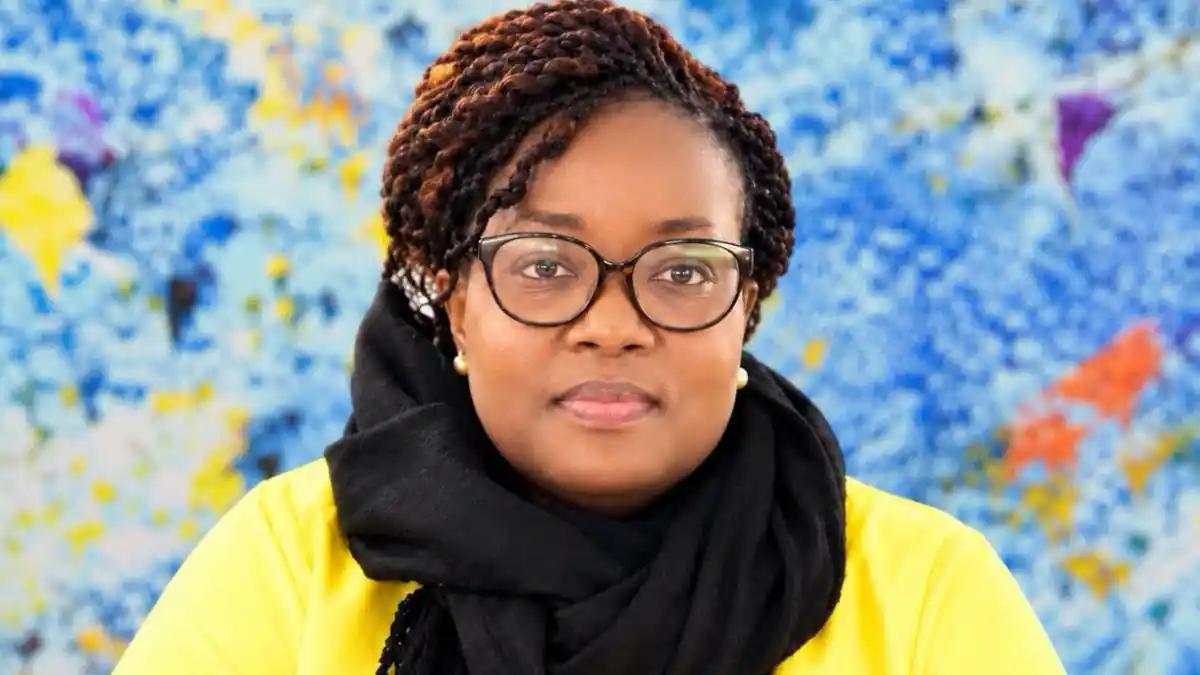
Benin has secured a pivotal position in global human rights discussions by electing jurist Inès Hadonou-Toffoun to the United Nations Human Rights Council Advisory Committee. Starting in 2026, she will serve a three-year term alongside 17 other international experts, offering the country a rare opportunity to influence policy at the highest levels of UN deliberations.
Why this election matters for Benin’s international standing
For Benin, this isn’t just a diplomatic victory—it’s a strategic move that elevates the country’s voice in forums where human rights policies are shaped. Hadonou-Toffoun’s inclusion in the committee places Benin among a select group of nations contributing specialized legal expertise to global governance.
The Advisory Committee, an independent body of 18 experts, provides critical analysis and recommendations to the UN Human Rights Council. Unlike policymaking bodies, its role is to offer evidence-based insights on complex human rights challenges, from freedom of expression to economic justice. Benin’s presence in this space signals its commitment to aligning with international standards while positioning itself as a thought leader in African human rights discourse.
The Advisory Committee’s role: Expertise over enforcement
It’s essential to clarify what the Advisory Committee does—and what it doesn’t. As a subsidiary body of the UN Human Rights Council, its function is advisory, not judicial. It conducts in-depth research, publishes thematic studies, and submits recommendations to guide the Council’s decisions. Its influence lies in shaping global norms rather than imposing sanctions or verdicts.
Hadonou-Toffoun’s participation will allow her to contribute Benin’s legal perspective to discussions on pressing issues such as digital rights, migration, or gender equality—topics where African contexts often require nuanced, locally informed solutions. Her role will be to bridge gaps between international frameworks and regional realities, ensuring that African voices are not sidelined in global policymaking.
Key areas where Benin’s voice could make an impact
- Legal harmonization: Advocating for alignment between international human rights treaties and domestic legislation in African states.
- Data-driven advocacy: Using research to highlight underreported human rights crises in Africa and propose actionable solutions.
- Capacity building: Sharing best practices from Benin’s legal reforms to strengthen judicial systems across the continent.
From recognition to results: Turning this opportunity into tangible influence
The election is a milestone, but its long-term value depends on how Benin capitalizes on this platform. The next three years will test the country’s ability to:
- Proactively shape committee agendas by proposing research topics relevant to African priorities.
- Collaborate with other experts to integrate African perspectives into global human rights frameworks.
- Translate committee recommendations into domestic policies that reinforce Benin’s commitment to rights protections.
For a nation with a history of regional leadership, this role offers a chance to consolidate its reputation as a hub for legal innovation. Hadonou-Toffoun’s mandate could serve as a catalyst for Benin to:
- Host workshops or conferences in Geneva, bringing African jurists and policymakers into UN discussions.
- Develop training programs for African legal professionals, inspired by Benin’s domestic reforms.
- Leverage this platform to advocate for debt relief or trade policies that indirectly support human rights protections in vulnerable regions.
The bigger picture: What this means for Africa’s role in global human rights
Benin’s election isn’t an isolated event—it reflects a growing trend of African nations asserting their presence in international human rights mechanisms. By securing a seat on the Advisory Committee, Benin joins a select group of African states (including Senegal, Nigeria, and South Africa) that have contributed to shaping global norms.
This development could encourage other African countries to invest in legal expertise and strategic diplomacy, ensuring that the continent’s priorities—such as climate-induced displacement or post-conflict justice—are not overlooked in Geneva. For Benin, the challenge will be to use this role not just as a diplomatic win, but as a tool for driving meaningful change in how human rights are defined and protected worldwide.
A responsibility beyond borders
Hadonou-Toffoun’s appointment carries a dual responsibility: to represent Benin’s interests while contributing to the collective mission of the Advisory Committee. Her work will require balancing national priorities with the universal principles of human dignity, ensuring that her contributions resonate both at home and abroad.
For Benin, this is more than a seat at the table—it’s an invitation to redefine its role in the global human rights ecosystem. The next three years will reveal whether this opportunity translates into lasting influence, or whether it remains a symbolic gesture. One thing is certain: the world will be watching how Benin steps up to the challenge.