
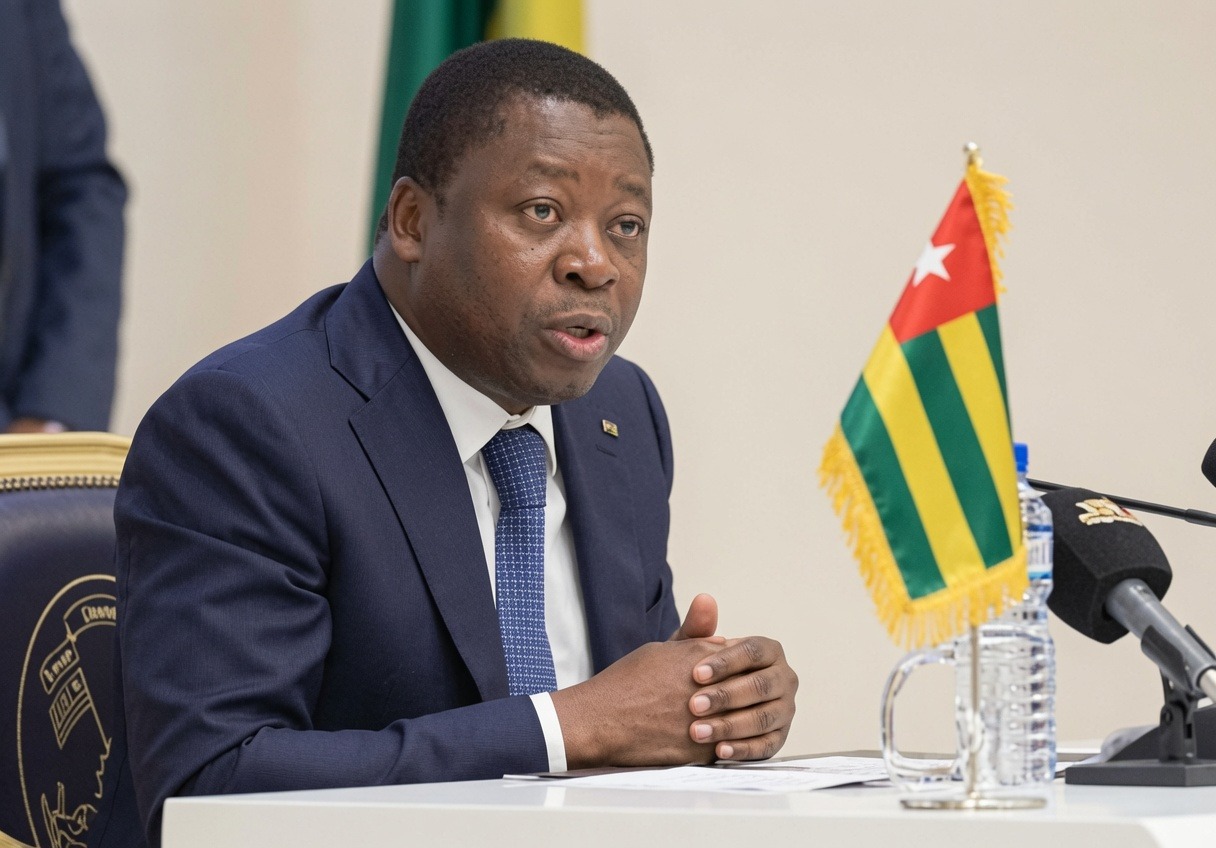
As Faure Gnassingbé embarks on a week-long state visit to China, the Togolese public is left grappling with a pressing question: beyond handshakes and photo opportunities, what tangible benefits will this high-stakes diplomatic mission deliver for the nation’s citizens?
Diplomacy Without Delivery: The Hollow Promise of Togo-China Relations?
The president’s journey, spanning from October 9 to 16, 2026, arrives at a critical juncture for Togo. Official statements emphasize the deepening of bilateral ties, highlighting China’s role as a “privileged partner” since formal relations were established in 1972. Yet, for millions of Togolese citizens, the tangible fruits of this partnership remain frustratingly elusive.
The optics are impressive: meetings with top Chinese officials, tours of industrial sites, and ambitious pledges to expand cooperation across sectors like infrastructure, energy, and technology. But optics alone cannot reduce unemployment, boost household incomes, or improve access to essential services. The fundamental challenge facing Togo isn’t attracting partnerships—it’s translating them into measurable progress on the ground.
From Memorandums to Real-World Impact: What Will Actually Change?
The litmus test for this visit lies in the specifics: Which projects will secure funding? What timelines will govern their execution? How many jobs will they create for Togolese workers? And crucially, what safeguards will ensure these investments prioritize local enterprises and skills development?
Consider the port of Lomé—a critical gateway for West African trade and a flagship symbol of Chinese-Togolese cooperation. While its strategic value is undeniable, its broader economic impact depends on more than just throughput. Does it facilitate local manufacturing? Does it create pathways for small businesses? Without these outcomes, infrastructure projects risk becoming mere showcases rather than catalysts for inclusive growth.
Sector by Sector: Where Could This Visit Make a Difference?
- Agriculture: Could partnerships unlock funding for agritech, farm-to-market infrastructure, or export-driven value chains to reduce post-harvest losses?
- Energy: Will agreements secure stable electricity access for rural communities, or remain confined to urban megaprojects?
- Industrialization: Does the proposed cooperation include technology transfer programs to empower Togolese entrepreneurs, or will it perpetuate dependence on foreign know-how?
- Youth Employment: With youth unemployment hovering at record levels, how will these deals translate into entry-level jobs or vocational training opportunities?
The Political Context: More Than Just Photo Ops
Faure Gnassingbé’s leadership has spanned over two decades, and his domestic legitimacy hinges on delivering results. The establishment of the Fifth Republic in 2025—a constitutional overhaul that reinforced his executive powers—placed even greater scrutiny on his administration’s ability to convert diplomacy into development. Citizens are no longer impressed by the volume of agreements signed; they demand proof of impact.
This visit comes at a time when public skepticism about foreign partnerships is growing. Skeptics argue that decades of cooperation with global powers, including China, have delivered infrastructure without industrialization, trade growth without job creation, and aid commitments without accountability. For the president, the challenge is not just to secure new agreements—but to demonstrate that this partnership is fundamentally different.
The Transparency Imperative: Without It, Even the Best Deals Fail
A central flaw in past collaborations has been opacity. Vague memorandums of understanding, unspecified funding sources, and unclear timelines have made it impossible for citizens to track progress or hold leaders accountable. This visit’s success will be measured not by the number of signatures on a page, but by the clarity of its outputs: Who is responsible? What are the deadlines? How will spending be audited? And how will citizens be notified of milestones achieved?
Without these mechanisms, the risk is high that this trip will join the ranks of well-intentioned but empty diplomatic gestures—another chapter in a long book of promises left unfulfilled. For a nation hungry for progress, that is simply not enough.
The Bottom Line: Citizens Don’t Care About Handshakes
As the presidential delegation departs Beijing, the people of Togo will be watching far closer to home. They will measure the visit’s legacy in concrete terms: new jobs, brighter classrooms, stable electricity, and affordable goods. They will not be satisfied with assurances from afar. They will demand proof of delivery.
The question now hangs in the balance: Will this China trip mark a turning point in Togo’s development trajectory—or will it simply add another layer of unkept promises to the nation’s history books?
For those waiting for change, the verdict will come not from diplomatic briefings, but from the streets, markets, and homes of Togo itself.