

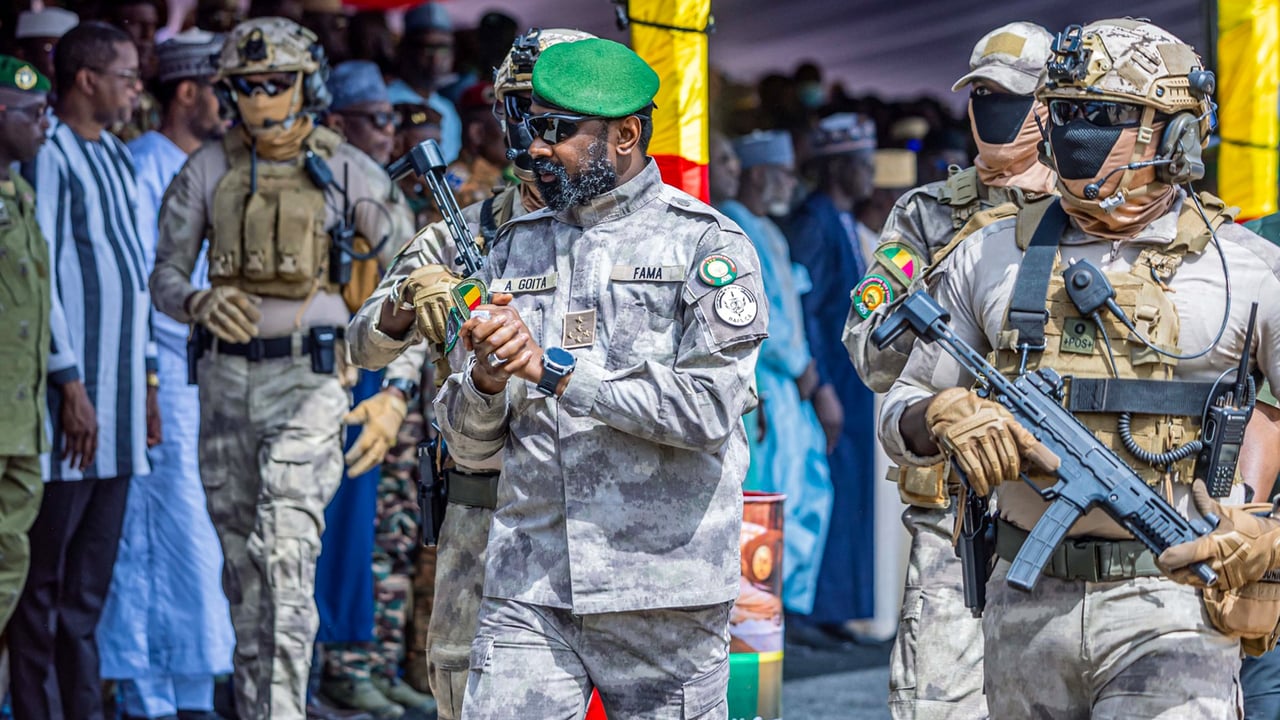

In the aftermath of the April 25 attacks in Mali, the political landscape shifted dramatically. The events of that day not only exposed vulnerabilities within the nation’s security framework but also provided an unexpected opportunity for institutional reshaping. At the center of this transformation stood Assimi Goïta, whose strategic moves over the following weeks would redefine the balance of power in Bamako.
Strategic realignments following the crisis
The attacks of April 25 sent shockwaves through the capital, prompting urgent consultations among military and political leaders. Within hours, Assimi Goïta, who had already been a dominant figure in Malian politics, moved swiftly to consolidate his influence. His actions were not merely reactive but part of a calculated effort to strengthen his grip on authority.
Key decisions included the reorganization of key security institutions and the appointment of loyalists to critical positions. These moves were framed as necessary steps to restore stability, but they also served to marginalize potential rivals and centralize decision-making under his leadership.
Institutional reshuffles and political maneuvering
The weeks following the attacks saw a series of high-level changes in Mali’s government structure. Assimi Goïta leveraged the crisis to push through reforms that expanded the authority of the presidency while reducing the autonomy of other branches. This included the restructuring of the defense ministry and the integration of allied military factions into the national security apparatus.
Analysts noted that these changes were not isolated incidents but part of a broader strategy to ensure long-term dominance. By positioning trusted allies in strategic roles, Goïta effectively minimized opposition and created a more predictable political environment—one where his decisions would face fewer challenges.
Public perception and regional implications
The public response to these developments was mixed. While some citizens expressed relief at the government’s apparent commitment to security, others voiced concerns about the concentration of power. The international community watched closely, with some observers questioning whether these reforms would enhance stability or further entrench a centralized regime.
In neighboring countries, the situation in Mali sparked discussions about regional security cooperation. The crisis underscored the fragility of the Sahel’s political landscape and highlighted the challenges of balancing national sovereignty with external partnerships in combating terrorism.
Military alliances and foreign partnerships
One of the most significant outcomes of the post-attack period was the deepening of ties between Bamako and international actors. Assimi Goïta’s government sought to strengthen its position by aligning more closely with external partners, particularly those offering military and logistical support. This shift reflected a pragmatic approach to securing the nation’s future in an increasingly volatile region.
The collaboration with foreign forces, including the Africa Corps, became a cornerstone of Mali’s new security doctrine. While this alignment provided tangible benefits in terms of operational capacity, it also raised questions about the country’s long-term independence and the sustainability of such partnerships.
Economic considerations amid political shifts
The consolidation of power under Assimi Goïta also had economic implications. Investors and development partners closely monitored the situation, weighing the risks of operating in a country undergoing rapid political change. The government’s ability to maintain stability would be critical in attracting foreign investment and ensuring economic growth.
Domestic policies were adjusted to prioritize resource allocation toward security and infrastructure projects. While these measures were framed as essential for national recovery, critics argued that they could divert attention from pressing social issues, including healthcare and education.
Looking ahead: what’s next for Mali?
The trajectory of Mali in the coming months will depend largely on the effectiveness of the new political and security arrangements. Assimi Goïta’s ability to deliver on his promises of stability and reform will be pivotal in shaping the country’s future. Meanwhile, regional partners and international stakeholders will continue to assess the situation, seeking to balance their own interests with the need for a stable Sahel.
As the dust settles from the April 25 attacks, one thing is clear: the decisions made in Bamako over the past weeks will have far-reaching consequences, not just for Mali but for the entire region.