
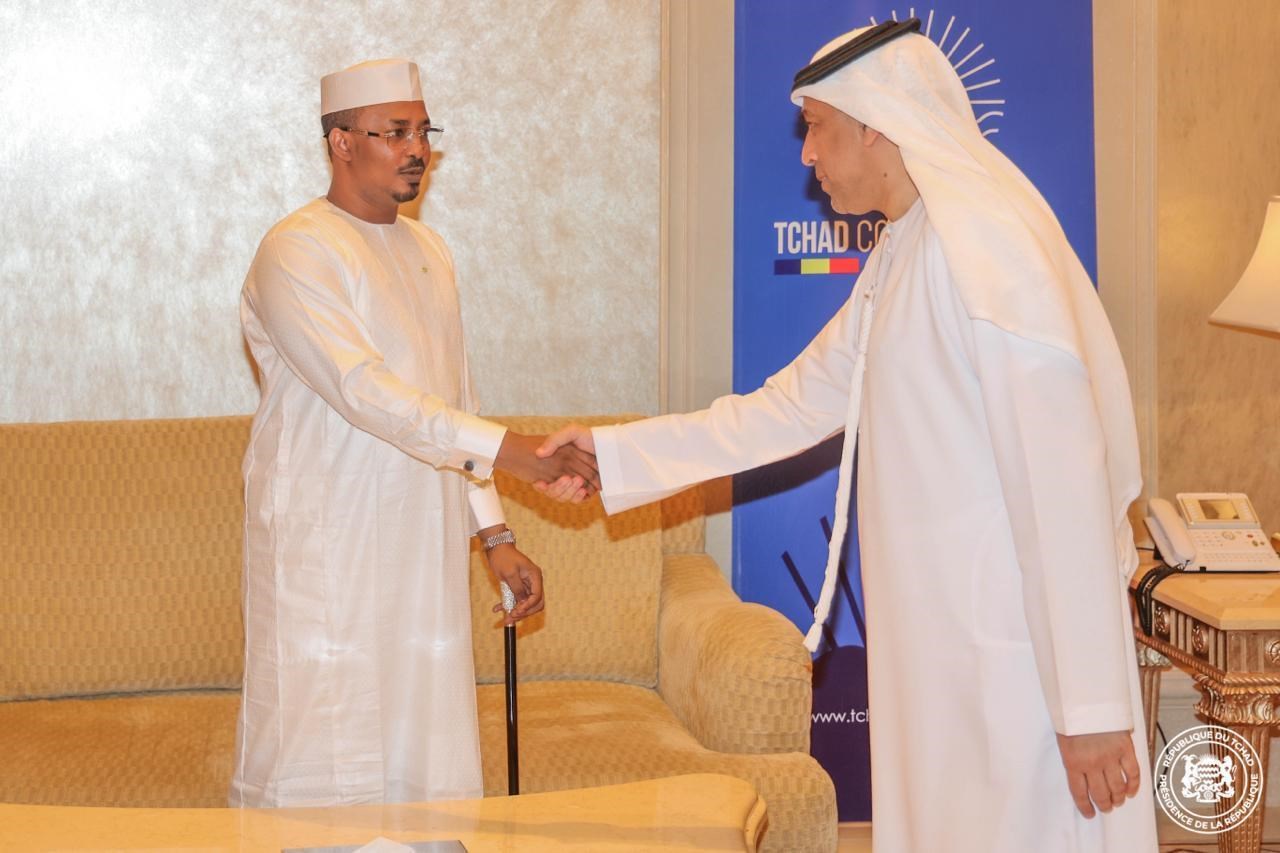

Amid a global landscape where development aid is shrinking and international financing is increasingly fragmented, Chad has achieved an extraordinary feat. According to projections from the African Development Bank’s African Economic Outlook 2026, the country’s National Development Plan (NDP) requires a total investment of $30 billion. Remarkably, 46% of this amount—$16.4 billion—has already been secured through private and international investment commitments, with an additional $4.1 billion pledged via 40 formal agreements and memoranda of understanding. This accomplishment is particularly striking for a nation ranked 190th out of 193 in the 2025 Human Development Index.
a strategic pivot: diversifying funding sources beyond traditional aid
The cornerstone of Chad’s success lies in its innovative approach to financing. Unlike many Central African Economic and Monetary Community (CEMAC) countries, N’Djamena has pursued a meticulously structured diplomatic outreach that has unlocked new capital streams. The strategy involved deepening ties with the United Arab Emirates and the Islamic Development Bank, introducing Islamic financing mechanisms that remain rare in the region. At the same time, the government maintained its traditional multilateral support from institutions like the IMF and World Bank, while simultaneously forging South-South partnerships with Middle Eastern investors. This triple-layered financing model—combining Western, Islamic, and South-South capital—represents an unprecedented financing architecture in Central Africa.
fiscal discipline as a magnet for global investors
Chad’s unwavering commitment to fiscal responsibility has been instrumental in attracting private capital. Despite hosting over 1.5 million Sudanese refugees—a humanitarian challenge that typically strains budgets—the country maintained its budget deficit below the 3% CEMAC threshold in 2025. Public debt remains tightly controlled at just 32% of GDP, one of the lowest ratios in the CEMAC zone. This fiscal prudence, coupled with sweeping tax base expansion reforms and the digitization of revenue collection, has sent a powerful signal of stability to global investors—many of whom struggle to find reliable partners in wealthier economies.
lessons from n’djamena: how smaller economies can attract large-scale private capital
For development partners, Islamic financial institutions, and private investors eyeing Central Africa, Chad’s experience offers a valuable blueprint. It demonstrates that massive private capital mobilization does not require a sophisticated financial market or high per capita income. Instead, it hinges on a combination of diplomatic agility, fiscal discipline, and regulatory clarity. The government’s next priorities include attracting private equity investments and strengthening its regulatory framework to institutionalize this momentum. With $20.5 billion in private capital now secured, N’Djamena stands on the brink of an economic transformation that global financial observers are closely monitoring.