
Human rights violations in DRC: contrasting realities between Kinshasa and eastern provinces
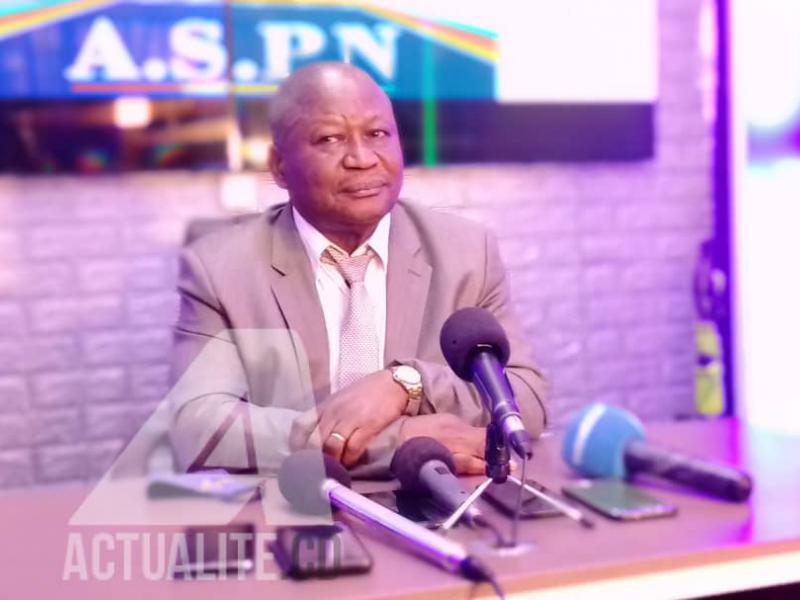
The human rights situation in the Democratic Republic of Congo (DRC) remains a complex and multifaceted challenge, as highlighted by Paul Nsapu, Chair of the National Human Rights Commission (CNDH), during a recent public forum. While acknowledging legislative progress under President Félix Tshisekedi’s administration, Nsapu drew a sharp distinction between the capital, Kinshasa, and the eastern provinces, where violations take on a far more severe character.
The legislative advances in Kinshasa
In the capital, Paul Nsapu identified what he termed “structural violations” of human rights. These primarily concern civil and political rights, as well as economic and social rights such as access to work, healthcare, and education. According to Nsapu, these violations stem from decades of systemic failures in governance, where successive administrations have prioritized short-term political gains over sustainable development. The result is a growing disconnect between formal legal protections and the harsh realities faced by the population in their daily lives.
The CNDH Chair emphasized that while Kinshasa has witnessed some institutional reforms, these have yet to translate into tangible improvements for ordinary citizens. The capital’s challenges, he noted, are deeply rooted in historical neglect and a lack of investment in social infrastructure, leaving many vulnerable to exploitation and inequality.
The dire situation in eastern DRC
The contrast between Kinshasa and the eastern provinces could not be starker. In North Kivu, South Kivu, and parts of Ituri, Paul Nsapu described a situation where the most fundamental human rights—the right to life and security—are systematically violated. He pointed to the presence of foreign armed groups, including Rwandan military forces, as a critical factor exacerbating the crisis in these regions.
The eastern provinces have long been plagued by armed conflict, intercommunal violence, and the activities of non-state armed groups. These dynamics have created a humanitarian catastrophe, with civilians bearing the brunt of the violence. Nsapu’s remarks underscore the urgent need for a coordinated regional response to address the root causes of instability and protect vulnerable populations.
International implications and calls for action
Nsapu’s analysis also highlighted the broader geopolitical dimensions of the crisis. The involvement of neighboring countries in the conflict has prolonged the suffering of the Congolese people and complicated efforts to restore peace. He called for stronger international engagement to hold accountable those responsible for human rights abuses and to support DRC’s sovereignty and territorial integrity.
The CNDH Chair’s observations come at a critical juncture, as DRC grapples with multiple crises, including political instability, armed conflict, and economic challenges. His insights serve as a reminder that human rights violations are not merely a domestic issue but a regional and global concern that demands collective action.
As the DRC continues its journey toward stability and development, the stark differences between Kinshasa and the eastern provinces must be addressed with urgency. The path forward requires not only legislative reforms but also a commitment to justice, accountability, and inclusive governance that prioritizes the well-being of all citizens.