
Human rights violations in DRC: contrasting realities between Kinshasa and eastern regions
- Society
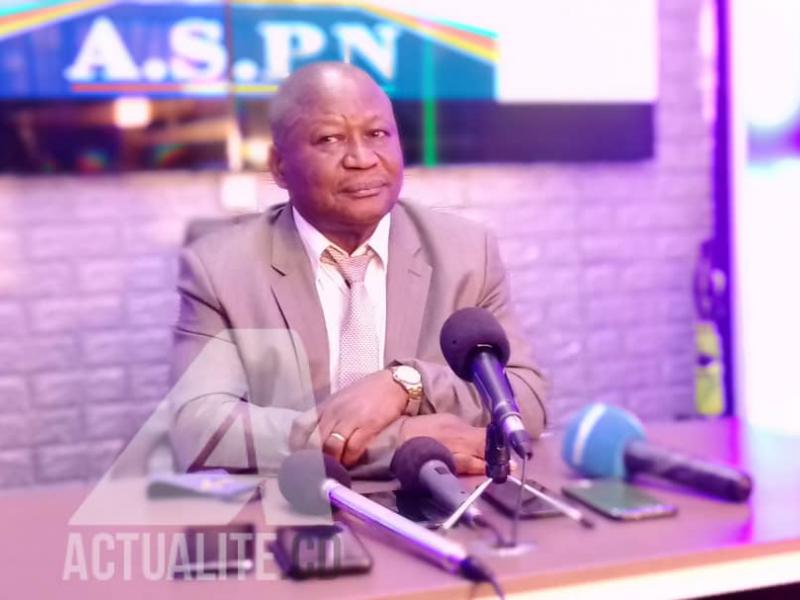
During a live broadcast interview on Tuesday, Paul Nsapu, Chairman of the National Human Rights Commission (CNDH), delivered a nuanced assessment of human rights under President Tshisekedi’s administration. While acknowledging legislative progress, he highlighted starkly different realities across the country.
Structural violations in Kinshasa
In provinces under Kinshasa’s control, Nsapu identified chronic violations affecting civil, political, economic, and social rights—particularly access to employment, healthcare, and education. These systemic issues, he argued, stem from decades of governance failures marked by persistent underdevelopment and deteriorating living conditions for citizens.
Severe violations in eastern DRC
The situation escalates dramatically in the eastern regions of North Kivu, South Kivu, and parts of Ituri. Here, the core human rights—the right to life and security—are routinely violated. Nsapu specifically cited the presence of Rwandan military forces and their allied armed groups operating in areas beyond Kinshasa’s control as major exacerbating factors.
These groups have been linked to widespread violence, including targeted killings, forced displacements, and systematic suppression of fundamental freedoms. The resulting humanitarian crisis has left communities in perpetual fear, with limited access to protection or recourse.
Call for urgent action
Nsapu’s remarks underscore the urgent need for coordinated national and international responses to address the dual crises plaguing DRC’s human rights landscape. While legislative reforms offer hope, their effectiveness remains hampered by entrenched structural weaknesses and ongoing insecurity in critical regions.