
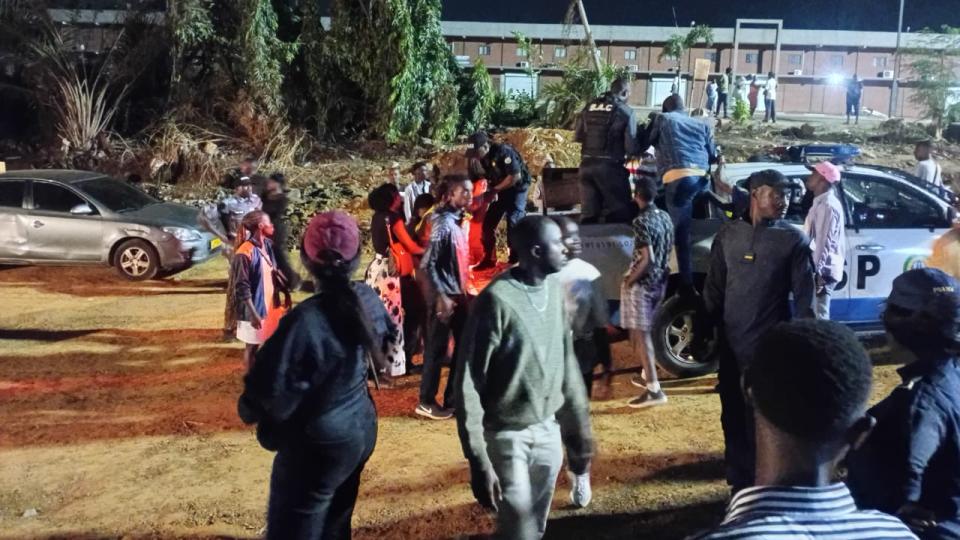

During the night of June 28, 2026, a major security sweep across Owendo hit the heart of the local night economy. Establishments such as bars, roadside eateries, and small retail stalls—essential lifelines for many families in this bustling area of Greater Libreville—found themselves in the crosshairs of law enforcement.
While the stated goal is public safety, the immediate economic fallout is undeniable. Temporary shutdowns, plummeting revenues, and the detention of informal laborers are creating a silent crisis for those already living on the edge.
The urgent need for night sector regulation
With youth unemployment remaining a persistent challenge and the informal sector serving as a vital safety net for much of the population, a purely punitive strategy risks pushing these workers further into poverty. Most of these actors operate without any form of social or financial protection.
Balancing safety and survival: A challenge for Gabonese leaders
The core issue is not a choice between law and order and economic activity; rather, it is the necessity of integrating the two.
This shift requires the structured regulation of the night sector, active communication with business owners, and the implementation of administrative and social support mechanisms. Such efforts are essential to transition these activities out of the precarious “gray zone” where they currently operate due to a lack of viable alternatives.